Modern agricultural buildings are no longer simple structures—they are controlled environments designed to optimize animal welfare, productivity, and operational efficiency. From poultry farms to pork and beef production facilities, material selection plays a decisive role in achieving these goals.
In this context, Fiber Reinforced Plastic (FRP) panels have emerged as a superior alternative to traditional materials such as steel or aluminum. Their performance in doors, ventilation systems, walls, and roofing makes them particularly valuable in demanding agricultural environments.
What makes FRP panels ideal for agricultural use?
FRP panels are composite materials made from reinforced fibers embedded in a polymer matrix. This structure delivers a combination of strength, resistance, and durability that conventional materials struggle to match.
Unlike metal surfaces, FRP does not corrode, oxidize, or degrade when exposed to moisture, chemicals, or organic waste—common conditions in livestock facilities. This makes them especially suitable for intensive farming operations where hygiene and longevity are critical.
Additionally, FRP panels are lightweight yet structurally robust, allowing for easier installation and reduced maintenance over time.
FRP vs. steel and aluminum in livestock production
When comparing FRP with steel or aluminum in agricultural buildings, several performance advantages become evident.
Resistance to corrosion and chemicals
Steel and aluminum are highly susceptible to corrosion, especially in environments with high humidity, ammonia, and cleaning agents. Over time, this leads to structural degradation and increased maintenance costs.
FRP panels, on the other hand, are inherently resistant to corrosion and chemical exposure, ensuring long-term structural integrity even in harsh conditions typical of poultry, pork, and beef facilities.
Hygiene and biosecurity
Maintaining sanitary conditions is essential in livestock production. Metal surfaces can develop rust and micro-cracks that harbor bacteria, complicating cleaning processes.
FRP panels offer smooth, non-porous surfaces that are easy to clean and disinfect. This supports better biosecurity protocolsand reduces the risk of contamination, directly impacting animal health and productivity.
Thermal efficiency and environmental control
Temperature regulation is critical in agricultural buildings, particularly in poultry and swine operations. Metal materials tend to conduct heat, making it harder to maintain stable internal conditions.
FRP panels provide better thermal insulation, helping to regulate internal temperatures and reduce energy consumption. This is particularly beneficial when integrated into ventilation systems and insulated wall structures.
Key applications: doors, ventilation, walls, and roofing
FRP panels deliver targeted advantages depending on their application within agricultural facilities.
Doors and ventilation systems
In high-traffic areas such as doors and ventilation openings, durability and resistance are essential. FRP panels withstand constant use, humidity, and exposure to contaminants without warping or corroding.
Their lightweight nature also improves operational efficiency, allowing for easier handling and installation in ventilation systems critical for airflow management.
Interior and exterior walls
For wall systems, solutions like Glasliner provide high-performance surfaces that resist moisture and impact. These panels maintain structural and visual integrity over time, even under continuous exposure to cleaning processes and animal activity.
Roofing systems
In roofing applications, products such as Resolite offer excellent light transmission and durability. This allows natural light to enter the facility, reducing energy costs while maintaining structural resistance against environmental stressors.
Operational efficiency and long-term cost benefits
Although the initial investment in FRP panels may be higher than traditional materials, their lifecycle cost is significantly lower. Reduced maintenance, longer lifespan, and improved operational efficiency translate into measurable savings over time.
This is particularly relevant in large-scale agricultural operations where downtime, repairs, and inefficiencies can have substantial economic impacts.
For companies exploring advanced material solutions, integrating FRP in agricultural projects can be a strategic decision that enhances both performance and profitability.
A material aligned with modern agricultural demands
As agricultural production continues to evolve toward more controlled, efficient, and sustainable systems, material innovation becomes a key enabler.
Manufacturers such as Stabilit America are driving this transition by offering high-performance FRP solutions tailored to the specific needs of agricultural environments.
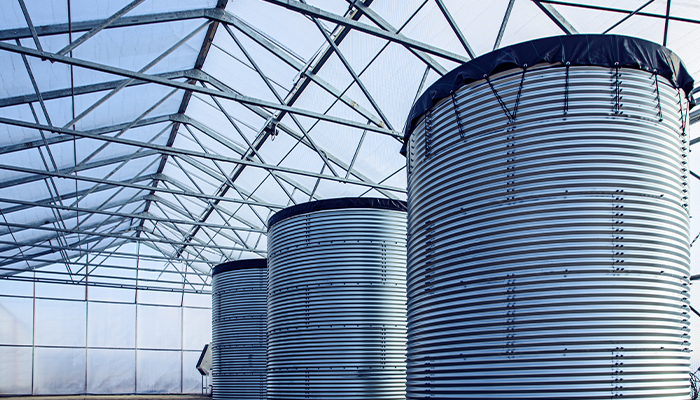
Redefining performance standards in agricultural buildings
The shift from traditional materials like steel and aluminum toward FRP panels reflects a broader transformation in agricultural infrastructure. Durability, hygiene, thermal performance, and cost efficiency are no longer optional—they are essential.
By integrating FRP panels into doors, ventilation systems, walls, and roofing, agricultural buildings can achieve higher performance standards, ensuring better conditions for livestock and more efficient operations overall.
Frequently asked questions
Are FRP panels compliant with agricultural and food safety regulations?
Yes. Most FRP panels used in agricultural environments are manufactured to meet strict hygiene and safety standards. They are commonly compliant with regulations related to food processing, washdown environments, and sanitary design, making them suitable for facilities where contamination control is critical.
How do FRP panels perform under UV exposure in outdoor agricultural structures?
FRP panels can be manufactured with UV-resistant coatings that prevent degradation, discoloration, and loss of mechanical properties over time. This makes them a reliable option for exterior applications such as roofing and wall cladding in open or semi-open agricultural buildings.
Can FRP panels be customized for different types of livestock operations?
Yes. FRP solutions can be tailored in terms of thickness, surface finish, translucency, and structural properties. This allows them to adapt to specific requirements in poultry houses, swine barns, or cattle facilities, depending on ventilation, lighting, and durability needs.
Are FRP panels compatible with modular or prefabricated agricultural buildings?
FRP panels integrate well with modular construction systems. Their lightweight nature and ease of installation make them ideal for prefabricated agricultural buildings, reducing construction time and improving scalability in large operations.
How do FRP panels contribute to sustainability in agricultural construction?
FRP panels support sustainability by extending the lifecycle of buildings, reducing material replacement, and lowering maintenance-related resource consumption. Additionally, their ability to improve natural lighting and thermal efficiency can contribute to reduced energy usage.
Sources consulted:
- https://blog.fibergrate.com/blog/4-ways-to-use-fiberglass-reinforced-plastic-frp-panels-to-improve-your-facility
- https://www.creativecompositesgroup.com/industries-products/building-architecture-solutions/fiberglass-agricultural-building-panels
- https://duolongtrade.com/blog-frp-roofing-sheet-for-greenhouses-guide/

Stabilit America Inc. is a leading North American manufacturer of fiberglass reinforced panels (FRP) and polycarbonate sheets, with over 65 years of experience. The company offers the widest range of acrylic, polyester, and polycarbonate laminates, backed by international certifications (USDA, Greenguard, FM, ISO 9001, among others), serving industries such as industrial construction, transportation, and sustainable building.