When it comes to modern construction, polymer wall panels are becoming a preferred choice due to their unique combination of lightweight design, durability, and chemical resistance.
As a leader in producing advanced composite materials, Stabilit America offers polymer wall panels that provide innovative solutions for a wide range of environments. These panels are perfect for applications where performance and resilience are paramount, from industrial settings to residential and commercial buildings.
This article explores the key benefits of polymer wall panels, and how they align with Stabilit America’s mission to deliver cutting-edge materials that meet the needs of modern construction.
What are polymer wall panels?
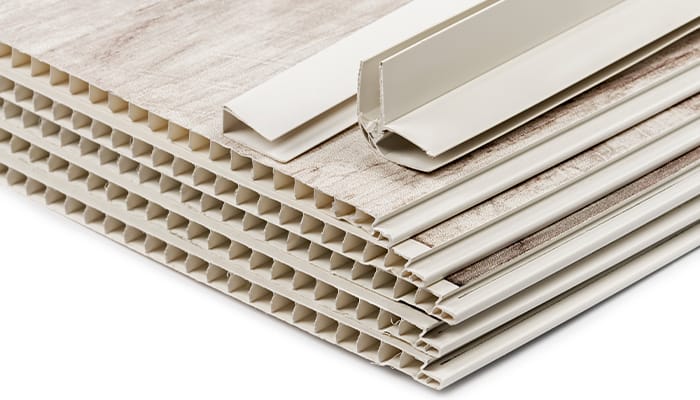
Polymer wall panels are made from advanced composite materials designed to provide superior performance in demanding environments. Unlike traditional materials like drywall or wood, polymer panels are engineered to resist chemicals, impact, and harsh environmental conditions. These panels are typically lightweight, making them easy to handle and install, while offering long-lasting durability.
The versatility of polymer wall panels makes them ideal for a wide range of applications, including industrial environments, clean rooms, commercial buildings, and residential spaces. The ability to customize these panels in terms of color, texture, and finish makes them an excellent choice for a variety of design needs.
Key benefits of polymer wall panels
Lightweight design
One of the main advantages of polymer wall panels is their lightweight design. Traditional materials like concrete, tile, or metal can be heavy and difficult to handle during installation, often requiring more labor and equipment. In contrast, polymer wall panels are much lighter, which helps reduce installation time and cost. This makes them a preferred choice for both new constructions and renovation projects.
Their light weight also makes these panels easier to transport and maneuver, allowing for faster project completion without compromising on performance or durability.
Chemical resistance
Polymer wall panels are highly resistant to a wide range of chemicals, including acids, alkalis, oils, and detergents. This makes them ideal for environments where exposure to harsh substances is common, such as chemical processing plants, laboratories, kitchens, and hospitals.
The ability to withstand chemicals ensures that polymer panels will not degrade, warp, or stain over time, even when exposed to harsh cleaning agents or corrosive materials. This resistance also reduces the need for frequent repairs or replacements, leading to long-term savings in maintenance costs.
Durability and impact resistance
In addition to their chemical resistance, polymer wall panels are also highly durable and impact-resistant. Whether it’s the constant wear and tear of a busy industrial space or the accidental bumps in a commercial kitchen, these panels are designed to withstand heavy use without losing their structural integrity.
Their resilience to impacts, scratches, and abrasions makes them a reliable choice for high-traffic environments, reducing the risk of damage and minimizing the need for repairs or replacements.
Easy maintenance and cleaning
One of the standout features of polymer wall panels is their easy maintenance and cleaning. The smooth surface of these panels prevents the buildup of dirt, grime, and bacteria, making them ideal for environments that require frequent cleaning, such as food processing areas, medical facilities, and workshops.
Unlike traditional materials, which can absorb stains or require regular painting and sealing, polymer panels only require periodic cleaning to maintain their appearance and functionality. This ease of maintenance makes them a cost-effective solution over the life of the building.
Common applications for polymer wall panels
Industrial environments
In industrial settings, polymer wall panels provide a durable and cost-effective solution for walls exposed to chemicals, moisture, and physical impact. These panels are commonly used in manufacturing plants, warehouses, and production areas, where their chemical resistance and easy cleaning properties are essential for maintaining a safe and efficient work environment.
Commercial buildings
Polymer wall panels are also ideal for commercial buildings, such as offices, retail spaces, and restaurants. Their lightweight nature makes them easy to install, while their sleek, modern appearance enhances the aesthetics of the building. The panels are also resistant to stains, making them perfect for high-traffic areas that require both functionality and visual appeal.
Residential spaces
In residential applications, polymer wall panels can be used in areas like kitchens, bathrooms, and basements, where moisture and chemicals are often present. The durability and ease of maintenance make them a great choice for homes that need low-maintenance, long-lasting wall solutions.
Clean rooms and healthcare facilities
Polymer wall panels are widely used in clean rooms and healthcare facilities, where hygiene and cleanliness are of utmost importance. The smooth, non-porous surface of these panels prevents the buildup of contaminants, making them easier to clean and maintain. Additionally, their resistance to bacteria and mold growth helps maintain a sterile environment.
Why choose Stabilit America for polymer wall panels?
As a trusted leader in FRP manufacturing, Stabilit America offers high-quality polymer wall panels that are designed to meet the rigorous demands of modern construction. Our panels are engineered to provide superior performance in challenging environments, offering a combination of lightweight design, chemical resistance, and durability.
Whether you are looking to install polymer panels in an industrial setting, commercial space, or residential project, Stabilit America has the right solution to meet your needs.
The advantages of polymer wall panels for modern construction
Polymer wall panels offer an innovative, durable, and cost-effective solution for a variety of construction applications. From industrial environments to residential spaces, these panels provide the performance and aesthetic flexibility needed for modern building projects.
With their lightweight design, chemical resistance, durability, and ease of maintenance, polymer wall panels from Stabilit America provide the ideal solution for spaces that require high-performance, long-lasting materials. Trust Stabilit America to deliver the best in advanced composite wall panel solutions.
Frequently asked questions
What makes polymer wall panels different from traditional wall systems?
Polymer wall panels are engineered composites designed to outperform materials like drywall, tile, or wood in high-demand environments. They offer greater resistance to moisture, chemicals, and impact, while requiring significantly less ongoing maintenance.
Are polymer wall panels suitable for environments with strict hygiene requirements?
Yes. Their smooth, non-porous surface helps prevent the absorption of moisture and contaminants, making them a reliable choice for environments where sanitation and surface cleanliness are critical.
How do polymer wall panels perform in high-traffic areas?
Polymer panels are highly resistant to dents, scratches, and surface damage. In areas where carts, equipment, or tools regularly come into contact with walls, they maintain their structural integrity and appearance better than conventional finishes.
Can polymer wall panels contribute to long-term cost savings?
Absolutely. While the initial investment may vary depending on the specification, polymer panels reduce maintenance, repainting, repairs, and downtime. Over time, this results in lower lifecycle costs compared to traditional wall materials.
Do polymer wall panels support modern architectural design?
Yes. Beyond performance, polymer panels are available in various finishes and textures, allowing architects and designers to achieve clean, contemporary interiors without sacrificing durability.
How do polymer panels respond to moisture-heavy environments?
Unlike materials that swell, rot, or deteriorate when exposed to humidity, polymer panels maintain their stability and structure even in consistently damp conditions.
Are polymer wall panels easy to retrofit into existing buildings?
In many cases, yes. Their lightweight composition makes them suitable for renovation projects, where minimizing structural load and installation time is important.
Sources consulted:
- https://www.buildingnews.net/top-understanding-composite-wall-panels-benefits-and-uses.html
- https://aluwedo.com/composite-panel-wall-materials-installation-applications-guide/
- https://brazilianlumberlosangeles.com/what-are-composite-wall-panels/

Stabilit America Inc. is a leading North American manufacturer of fiberglass reinforced panels (FRP) and polycarbonate sheets, with over 65 years of experience. The company offers the widest range of acrylic, polyester, and polycarbonate laminates, backed by international certifications (USDA, Greenguard, FM, ISO 9001, among others), serving industries such as industrial construction, transportation, and sustainable building.
When it comes to modern building materials, Sunlite polycarbonate panels stand out for their combination of durability, light diffusion, UV protection, and thermal insulation. These panels are an ideal solution for a variety of applications, including greenhouses, skylights, and architectural glazing.
As one of the leaders in providing polycarbonate panels, Stabilit America offers high-quality materials designed to meet the growing demand for energy-efficient and sustainable construction solutions.
This article explores the many benefits of Sunlite polycarbonate panels, highlighting how they can enhance the performance and aesthetics of a wide range of building projects while helping to lower energy consumption and improve indoor environments.
What are Sunlite polycarbonate panels?
Sunlite polycarbonate panels are multi-wall panels made from high-performance polycarbonate plastic. Known for their strength and versatility, these panels feature multiple layers (hence “multi-wall”) that provide superior thermal insulation while allowing natural light to pass through. They are often used in applications where both light transmission and energy efficiency are important, such as greenhouses, skylights, and other architectural glazing systems.
The structure of Sunlite polycarbonate panels makes them lightweight and easy to handle, while still providing excellent protection against UV rays, making them a preferred choice for both commercial and residential projects.
Key benefits of Sunlite polycarbonate panels
Excellent light diffusion
One of the standout features of Sunlite polycarbonate panels is their ability to diffuse light evenly. Unlike traditional glass or single-wall polycarbonate panels, Sunlite panels create a soft, uniform light that reduces harsh glare while maintaining bright indoor spaces. This makes them perfect for applications like skylights, where natural light is desired, but glare can be a concern.
The enhanced light diffusion also improves the overall aesthetics of any space, providing a more comfortable and visually appealing environment.
UV protection
Sunlite polycarbonate panels are equipped with built-in UV protection, which helps to protect both the panels themselves and the interior spaces from harmful UV rays. This UV resistance ensures that the panels retain their clarity and performance over time, without yellowing or degrading under prolonged exposure to the sun.
The UV protection offered by Sunlite panels is also crucial in applications like greenhouses, where excessive UV exposure can damage plants and hinder growth. By using these panels, you can maintain a stable environment for optimal plant health.
Thermal insulation
The multi-wall structure of Sunlite polycarbonate panels provides excellent thermal insulation, helping to regulate temperatures and reduce energy consumption. The panels are designed to keep heat inside during the winter and block it out during the summer, making them ideal for buildings that require consistent temperature control.
This thermal efficiency can help lower heating and cooling costs, making Sunlite polycarbonate panels a smart choice for both residential and commercial applications. Whether used in greenhouses, atriums, or office buildings, these panels contribute to better energy efficiency and comfort.
Lightweight and easy to handle
Despite their impressive strength and performance, Sunlite polycarbonate panels are lightweight and easy to handle, which makes them easier and faster to install than traditional glass. This reduces labor costs and minimizes installation time, making the construction process more efficient and cost-effective.
The lightweight nature of these panels also allows them to be used in a wide range of applications, including large-scale architectural projects that require both durability and flexibility.
Common applications for Sunlite polycarbonate panels
Greenhouses
Sunlite polycarbonate panels are an ideal choice for greenhouse applications, where controlling light and temperature is essential for plant growth. These panels allow natural sunlight to enter while maintaining a stable temperature and protecting plants from harmful UV rays. By using Sunlite panels in greenhouses, you can create an environment that supports healthy plant development while also saving on energy costs.
Skylights and rooflights
Sunlite polycarbonate panels are commonly used for skylights and rooflights in both residential and commercial buildings. Their ability to diffuse light evenly without causing glare makes them perfect for spaces that require abundant natural light, such as offices, retail stores, and residential homes. The thermal insulation properties of Sunlite panels also help maintain the building’s temperature, reducing energy consumption.
Architectural glazing
Sunlite polycarbonate panels are increasingly being used in architectural glazing, offering a modern alternative to traditional glass. These panels create sleek, contemporary facades while providing excellent insulation and UV protection. They can be used in a variety of architectural designs, from public buildings and schools to private homes and retail spaces.
Outdoor structures
For outdoor applications such as canopies, pergolas, and walkways, Sunlite polycarbonate panels provide protection from the elements while allowing natural light to filter through. The lightweight nature of the panels makes them easy to install, and their UV protection ensures they will last for years without yellowing or degrading.
Why choose Stabilit America for Sunlite polycarbonate panels?
As a leading provider of polycarbonate panels, Stabilit America offers high-quality Sunlite polycarbonate panels that are designed to meet the diverse needs of modern construction projects. With a focus on energy efficiency, durability, and sustainability, Stabilit America delivers solutions that enhance both the performance and aesthetics of any building.
Whether you are looking for panels for a greenhouse, skylight, or architectural glazing, Stabilit America’sSunlite polycarbonate panels provide the perfect combination of light transmission, UV protection, and thermal insulation.
The future of sustainable construction with Sunlite polycarbonate panels
Sunlite polycarbonate panels offer a durable, energy-efficient solution for a wide range of building applications. From greenhouses and skylights to architectural facades and outdoor structures, these panels provide superior performance in both residential and commercial environments.
With their ability to diffuse light, provide UV protection, and offer thermal insulation, Sunlite polycarbonate panels are the ideal choice for modern construction projects that require both functionality and aesthetic appeal. Choose Stabilit America for all your polycarbonate panel needs and experience the benefits of cutting-edge building materials.
Frequently asked questions
What makes Sunlite polycarbonate panels different from other polycarbonate panels?
Sunlite polycarbonate panels stand out due to their multi-wall design, which provides superior thermal insulation while allowing light to diffuse evenly. Unlike single-wall panels, Sunlite panels offer better energy efficiency and UV protection, making them ideal for applications like greenhouses, skylights, and facades.
How do Sunlite polycarbonate panels help with energy efficiency?
The multi-wall structure of Sunlite polycarbonate panels provides excellent insulation, reducing heat loss in colder months and blocking excess heat in warmer months. This helps to maintain a stable indoor temperature, reducing energy consumption for heating and cooling, and making them ideal for energy-efficient building designs.
Can Sunlite polycarbonate panels be used for both residential and commercial applications?
Yes, the panels are versatile and suitable for both residential and commercial applications. They are commonly used in greenhouses, skylights, architectural glazing, and outdoor structures, making them a great choice for various building projects.
Are Sunlite polycarbonate panels resistant to UV radiation?
Yes, Sunlite polycarbonate panels feature built-in UV protection, which helps to block harmful UV rays from entering the building. This protection not only keeps the interior of the building safe from UV damage but also ensures that the panels themselves remain clear and durable, preventing yellowing and degradation over time.
What are the benefits of using Sunlite polycarbonate panels in greenhouses?
Sunlite polycarbonate panels are an excellent choice for greenhouses because they allow for optimal light diffusion while providing insulation and UV protection. This helps to create an ideal environment for plant growth by maintaining a stable temperature and protecting plants from harmful UV rays, ensuring healthy development throughout the growing season.
How long do Sunlite polycarbonate panels last?
Sunlite polycarbonate panels are designed for long-lasting performance, with a lifespan of up to 20-30 years, depending on the application and environmental conditions. Their UV-resistant properties ensure they maintain their clarity and performance over time, making them a durable and cost-effective option for building projects.
Are Sunlite polycarbonate panels easy to install?
Yes, Sunlite polycarbonate panels are lightweight and easy to handle, which simplifies the installation process. These panels can be installed quickly, reducing labor costs and project timelines. They are compatible with standard mounting systems, and their durability ensures that the panels will remain secure and perform well throughout their lifetime.
Sources consulted:
- https://www.archdaily.com/986992/architectural-polycarbonate-systems-transforming-daylight-into-a-powerful-tool
- http://palram.com/us/product/sunlite/
- https://www.sunkaer.com/application/polycarbonate-translucent-sheet
Stabilit America Inc. is a leading North American manufacturer of fiberglass reinforced panels (FRP) and polycarbonate sheets, with over 65 years of experience. The company offers the widest range of acrylic, polyester, and polycarbonate laminates, backed by international certifications (USDA, Greenguard, FM, ISO 9001, among others), serving industries such as industrial construction, transportation, and sustainable building.
When it comes to construction and interior design, wall coverings play a significant role in both aesthetics and functionality. Fiberglass-reinforced plastic (FRP) wall coverings are increasingly popular in industries that require durable, moisture-resistant, and easy-to-maintain surfaces.
Whether it’s for a hospital, laboratory, commercial kitchen, or industrial facility, FRP wall coverings offer a practical and efficient solution to meet the specific needs of these environments.
For Stabilit America, providing FRP wall coverings aligns with the company’s commitment to offering high-performance, versatile materials designed to withstand the most demanding conditions. This article explores the many benefits and applications, showcasing how they can improve the quality and longevity of wall systems in various industries.
What are FRP wall coverings?
FRP wall coverings are high-strength, low-maintenance panels made from fiberglass reinforced plastic. These panels are designed to be installed on interior walls to provide a durable, moisture-resistant surface. Available in various sizes, textures, and colors, offer versatility to fit any design or function.
One of the key benefits of FRP wall coverings is their ability to resist damage from water, chemicals, and physical impacts. This makes them ideal for environments that require easy-to-clean, long-lasting surfaces that can withstand frequent use and harsh conditions.
Key benefits of FRP wall coverings
Superior durability
FRP wall coverings are known for their exceptional durability. The fiberglass reinforced plastic construction provides resistance to cracking, warping, and general wear and tear. This makes FRP panels ideal for high-traffic areas, including hospitals, laboratories, and industrial kitchens, where walls are subjected to frequent impacts and heavy cleaning.
Moisture and mold resistance
One of the standout features of FRP wall coverings is their resistance to moisture and mold growth. Unlike traditional materials like drywall or wood, FRP panels do not absorb water, preventing issues such as swelling, mold, or mildew. This is particularly important in environments like kitchens and medical facilities, where maintaining a hygienic, dry environment is critical.
Easy to maintain and clean
In environments where cleanliness and hygiene are paramount, such as hospitals, laboratories, and commercial kitchens, FRP wall coverings provide a smooth, non-porous surface that is easy to clean. Spills, stains, and other contaminants can be wiped off with minimal effort, ensuring a consistently clean and safe environment.
Unlike traditional wall materials, FRP panels do not require extensive maintenance or frequent painting, which helps save time and money in the long run.
Common applications for FRP wall coverings
Hospitals and healthcare facilities
In hospitals and healthcare settings, hygiene is of utmost importance. FRP wall coverings offer the perfect solution by creating walls that are resistant to water, chemicals, and bacteria. Their easy-to-clean surface makes them ideal for operating rooms, patient rooms, and corridors, ensuring that healthcare facilities maintain high standards of cleanliness and safety.
Laboratories and clean rooms
FRP wall coverings are commonly used in laboratories and clean rooms where contamination and cleanliness are a concern. The smooth, non-porous surface helps to prevent the buildup of dirt and bacteria, and the panels can be easily wiped down to meet the rigorous cleaning standards required in these environments.
Commercial kitchens
In commercial kitchens, where walls are regularly exposed to grease, water, and harsh cleaning agents, FRP wall coverings are a reliable and long-lasting option. They are resistant to the corrosive effects of oils, fats, and other kitchen chemicals, providing a durable and easy-to-clean surface that helps maintain a sanitary environment.
Industrial facilities
In industrial settings, walls are often exposed to harsh chemicals, heavy equipment, and constant physical wear. FRP panels are designed to handle these demanding conditions. Their impact resistance, moisture protection, and ease of maintenance make them an ideal choice for factories, warehouses, and production areas where durability and low maintenance are crucial.
Why choose FRP wall coverings from Stabilit America?
As one of the leading FRP manufacturers, Stabilit America offers high-quality FRP wall coverings designed to meet the needs of various industries. With years of experience in the production of fiberglass reinforced plastic products, Stabilit is committed to delivering solutions that provide superior durability, ease of maintenance, and performance.
Whether you’re outfitting a healthcare facility, commercial kitchen, or industrial space, Stabilit America provides FRP wall coverings that are built to withstand the test of time and deliver long-lasting protection for your walls.
The benefits of FRP wall coverings
FRP wall coverings are an essential solution for industries that require durability, hygiene, and ease of maintenance. From hospitals and laboratories to commercial kitchens and industrial facilities, FRP panels offer unparalleled performance in challenging environments.
With Stabilit America’s range of high-quality FRP wall coverings, you can trust that your space will remain clean, safe, and durable for years to come. Whether you’re looking to install new wall coverings or replace outdated materials, FRP panels provide the best combination of performance, longevity, and cost-effectiveness.
Frequently asked questions
What are FRP wall coverings made of?
FRP wall coverings are made from fiberglass-reinforced plastic. This material combines fiberglass strands with a plastic resin, providing a durable, moisture-resistant, and easy-to-clean surface ideal for high-humidity environments.
Where are FRP wall coverings commonly used?
FRP wall coverings are commonly used in environments that require durability and hygiene, such as hospitals, laboratories, commercial kitchens, food processing plants, and industrial facilities. They are ideal for high-traffic, moisture-prone areas.
How do FRP wall coverings compare to traditional materials like drywall or tile?
Unlike drywall, which can absorb moisture and lead to mold, FRP wall coverings are completely water-resistant. They are more durable than tile, which can crack or require grout maintenance, and they are easier to clean, providing a seamless, low-maintenance surface.
Are FRP wall coverings easy to install?
Yes, FRP wall coverings are easy to install, often requiring less labor time than traditional materials. The panels are lightweight and can be quickly fixed to the wall using adhesives or screws, minimizing installation costs and downtime.
Do FRP wall coverings require special maintenance?
No, FRP wall coverings are very low maintenance. They do not require sealing, painting, or special treatments. Regular cleaning with a mild detergent or disinfectant is typically all that’s needed to keep them looking new and functioning properly.
Are FRP wall coverings resistant to chemicals?
Yes, FRP wall coverings are highly resistant to a wide range of chemicals, including acids, alkalis, oils, and detergents. This makes them ideal for environments like industrial plants, laboratories, and commercial kitchens, where exposure to harsh chemicals is common.
Why should I choose Stabilit America for FRP wall coverings?
Stabilit America offers high-quality FRP wall coverings designed for superior durability, moisture resistance, and ease of maintenance. With years of expertise and a range of customizable options, Stabilit America is a trusted choice for industries that require high-performance materials.
Sources consulted:
- https://www.oceanfrp.com/frp-walls-guide-to-durability-design-applications/
- https://speculativechic.com/frp-wall-board/
- https://incomepultrusion.com/product/commercial-frp-wall-panels/
Stabilit America Inc. is a leading North American manufacturer of fiberglass reinforced panels (FRP) and polycarbonate sheets, with over 65 years of experience. The company offers the widest range of acrylic, polyester, and polycarbonate laminates, backed by international certifications (USDA, Greenguard, FM, ISO 9001, among others), serving industries such as industrial construction, transportation, and sustainable building.
In today’s fast-paced construction industry, time is money. With the growing demand for quicker build times and reduced labor costs, pre-made wall panels are becoming a go-to solution for many commercial, industrial, and residential projects. These pre-assembled panels, which include options like FRP (Fiberglass Reinforced Plastic) panels and polycarbonate panels, are designed to streamline the construction process, ensuring faster project timelines without sacrificing quality.
This article explores the advantages of pre-made wall panels, highlighting how they contribute to improved efficiency, reduced costs, and consistent performance across various construction projects.
What are pre-made wall panels?
Pre-made wall panels are manufactured off-site and are ready to be installed as complete units when delivered to the construction site. Made from various materials such as FRP or polycarbonate, these panels are designed to fit standard wall sizes and specifications. They are typically available in large sheets or segments that can be quickly connected and secured, significantly reducing the need for on-site fabrication or assembly.
The versatility of pre-made wall panels allows them to be used for a wide range of applications, including:
- Exterior wall cladding.
- Interior partitions.
- Roofing solutions.
- Facades.
- Industrial and commercial buildings.
Key benefits of pre-made wall panels
Faster construction timelines
One of the most significant advantages of pre-made wall panels is the reduction in overall construction time. Since the panels are fabricated off-site, construction crews can focus on other aspects of the project, such as foundation work and utilities, while the panels are being produced. Once the panels arrive at the site, installation is quick and straightforward, allowing for faster project completion compared to traditional methods of building walls.
Reduced labor costs
Pre-fabrication of FRP wall panels and other materials allows for a more efficient use of labor on-site. With pre-made wall panels, there’s no need for extensive on-site assembly or finishing work, which translates into reduced labor hours and fewer specialized skills required. Contractors and builders can save both time and money by opting for pre-assembled materials.
Consistent quality
Pre-made wall panels are manufactured in a controlled factory environment, ensuring consistent quality and precise dimensions. Unlike materials that are cut and assembled on-site, which can vary due to human error or weather conditions, pre-fabricated panels are created with high standards of quality control. This consistency leads to fewer errors, fewer revisions, and a finished product that meets the required specifications every time.
Durability and strength
Materials like FRP wall panels and polycarbonate panels are known for their exceptional strength and resistance to environmental stresses. FRP panels are particularly well-suited for areas that experience high moisture or chemical exposure, making them ideal for bathrooms, kitchens, and industrial applications. On the other hand, polycarbonate panels offer great impact resistance, UV protection, and light diffusion, making them suitable for both structural and aesthetic purposes.
Aesthetic flexibility
Pre-made wall panels come in various finishes, colors, and textures, allowing architects and designers to select the ideal material that complements the overall design vision of the building. Whether you’re looking for sleek, modern aesthetics or a more industrial look, pre-made panels can be customized to meet the specific aesthetic needs of your project.
Common applications for pre-made wall panels
Commercial and industrial buildings
Pre-made wall panels are widely used in commercial and industrial sectors due to their efficiency and performance. They are commonly employed in:
- Warehouses.
- Factories.
- Retail spaces.
- Office buildings
For these types of projects, time and cost savings are critical, and the ability to install walls quickly with consistent quality makes pre-made panels a preferred choice.
Residential homes
In residential construction, pre-made panels are used for both interior and exterior walls, especially in areas where moisture resistance is important. For example, FRP wall panels are commonly used in bathrooms, laundry rooms, and basements due to their resistance to moisture and ease of maintenance.
Facades and exterior cladding
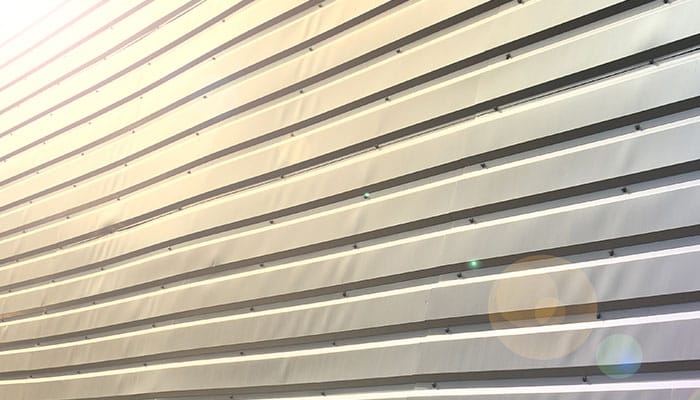
Polycarbonate panels are frequently used for building facades, providing both structural support and aesthetic value. The lightweight nature of polycarbonate panels, combined with their ability to transmit natural light, makes them ideal for applications where both durability and design are key priorities.
Why Stabilit America is a leading provider of pre-made wall panels
Stabilit America has been at the forefront of providing high-quality, pre-made wall panels for various industries. As one of the leading FRP manufacturers, Stabilit delivers top-tier products that align with the growing demand for efficient, cost-effective building materials. Their pre-made FRP panels and polycarbonate panels offer unmatched durability, quick installation, and design flexibility, making them a trusted choice for projects of all sizes.
Pre-made wall panels for the modern construction industry
Pre-made wall panels represent the future of construction, offering an efficient, cost-effective, and high-quality solution for various building projects. Whether you’re working on a commercial property, industrial facility, or residential home, opting for pre-made panels ensures faster installation, reduced labor costs, and consistent quality across the board.
For those looking to streamline their construction process without sacrificing performance or design, Stabilit America’spre-made wall panels are the ideal solution, providing innovation, durability, and ease of use for the most demanding projects.
Frequently asked questions
What makes pre-made wall panels more efficient than traditional wall construction methods?
Pre-made wall panels are manufactured off-site in controlled environments, ensuring consistent quality. They arrive ready to install, reducing on-site labor time and errors. This efficiency speeds up construction timelines and minimizes costs compared to traditional methods.
Can pre-made wall panels be customized to fit specific project requirements?
Yes, pre-made panels can be customized in terms of size, texture, finish, and even performance specifications, making them ideal for both residential and commercial applications. This customization ensures that the panels meet the unique needs of each project.
What materials are commonly used for pre-made wall panels?
Pre-made wall panels are typically made from FRP (Fiberglass Reinforced Plastic), polycarbonate, and other composite materials, all of which offer superior durability, moisture resistance, and ease of maintenance.
How do pre-made wall panels contribute to cost savings in construction projects?
By reducing installation time, the need for skilled labor, and material waste, pre-made wall panels help cut costs significantly. Their consistent quality also reduces the likelihood of costly errors or rework, resulting in overall cost savings for the entire project.
Are pre-made wall panels suitable for both interior and exterior use?
Yes, pre-made wall panels are versatile and can be used in both interior and exterior applications. Depending on the material chosen, panels can be ideal for facades, partitions, shower rooms, and more.
How do pre-made wall panels perform in terms of insulation and energy efficiency?
Many pre-made wall panels, particularly those made from FRP and polycarbonate, provide excellent thermal insulation, helping to reduce heating and cooling costs. Some panels are designed with additional insulating layers to enhance energy efficiency in buildings.
Can pre-made wall panels be used in high-moisture areas like bathrooms or kitchens?
Yes, FRP panels are particularly well-suited for high-moisture environments such as bathrooms and kitchens. Their non-porous surface prevents mold and mildew growth, making them an ideal choice for spaces that require constant cleaning and hygiene.
How easy is it to install pre-made wall panels?
The installation process for pre-made wall panels is straightforward and faster compared to traditional wall systems. Since the panels arrive prefabricated and ready for installation, contractors can save time by simply connecting the panels without needing additional cutting or on-site adjustments.
Sources consulted:
- https://www.gqcolorsteel.com/blog/what-are-the-advantages-of-using-prefabricated-exterior-wall-panels
- https://es.wiskindsteelstructure.com/blog/prefab-insulated-wall-panels-and-the-rise-of-modular-construction_b141
- https://www.bricknbolt.com/blogs-and-articles/construction-guide/prefabricated-wall-panels
Stabilit America Inc. is a leading North American manufacturer of fiberglass reinforced panels (FRP) and polycarbonate sheets, with over 65 years of experience. The company offers the widest range of acrylic, polyester, and polycarbonate laminates, backed by international certifications (USDA, Greenguard, FM, ISO 9001, among others), serving industries such as industrial construction, transportation, and sustainable building.
The construction industry is constantly looking for ways to improve efficiency and reduce labor costs without compromising the quality or aesthetic appeal of the final product. Interlocking wall panels offer a smart solution to this challenge, combining ease of installation with strength and seamless finishes.
For Stabilit America, a leader in FRP manufacturers, the focus on interlocking panel systems fits perfectly with the company’s mission to provide innovative, time-saving solutions that meet the demanding performance and design standards of modern construction projects.
These panels are widely used in commercial applications, industrial facilities, and architectural projects where precision and durability are crucial.
What are interlocking wall panels?
Interlocking wall panels are designed to fit together with a locking mechanism, creating a seamless and secure connection between adjacent panels. These panels can be made from various materials, including FRP (Fiberglass Reinforced Plastic) and polycarbonate, both of which are known for their strength, impact resistance, and weatherability.
The interlocking design eliminates the need for additional fasteners or adhesives, making the installation process faster and more efficient. This system also ensures that the panels stay securely in place over time, even in environments that experience temperature fluctuations or high levels of moisture.
Key benefits of interlocking wall panels
Quick and easy installation
One of the primary advantages of interlocking wall panels is the simplicity and speed of installation. Traditional wall systems often require extensive labor for fastening, gluing, or welding components together. With interlocking panels, the pieces are designed to lock into place, drastically reducing installation time and labor costs. This can be especially beneficial in fast-paced commercial or industrial construction projects.
Seamless, aesthetic finishes
The interlocking mechanism ensures that the wall panels fit perfectly together, resulting in a smooth, continuous surface. This eliminates gaps or visible seams, providing a cleaner, more polished look. Whether used in commercial applications or architectural designs, interlocking panels offer a visually appealing finish that maintains its integrity over time.
Additionally, the seamless design prevents dust, dirt, and grime from accumulating in the joints, making it easier to maintain the cleanliness of the walls, particularly in hygienic environments like hospitals or food processing facilities.
Durability and strength
Interlocking FRP and polycarbonate panels are known for their durability and resistance to various environmental factors. FRP, for example, is highly resistant to moisture, chemicals, and physical impacts. Polycarbonate panels, on the other hand, provide excellent light transmission while being incredibly tough and weather-resistant.
These qualities make interlocking panels an ideal choice for both interior and exterior walls in commercial, industrial, and residential buildings that need to withstand wear and tear from heavy usage, temperature extremes, or harsh weather conditions.
Energy efficiency and insulation
Some interlocking wall panels are designed with additional insulation properties. This is especially important for buildings that need to maintain a specific internal temperature, such as warehouses, cold storage units, or climate-controlled facilities. By improving thermal insulation, these panels help reduce heating and cooling costs, contributing to a building’s overall energy efficiency.
Common applications for interlocking wall panels
Commercial applications
In commercial applications, interlocking wall panels are often used for building interiors and exteriors where efficiency, aesthetics, and durability are essential. They are particularly useful in spaces like:
- Retail stores.
- Hotels.
- Restaurants.
- Office buildings.
The ease of installation and ability to achieve a seamless finish make these panels an attractive option for businesses looking to minimize downtime during construction or renovation projects.
Industrial and warehouse facilities
Interlocking wall panels are commonly used in industrial settings, including factories, warehouses, and distribution centers. The ability to quickly and securely install these panels, combined with their durability and resistance to environmental factors, makes them a reliable solution for high-traffic, high-moisture environments.
The panels also help improve the structural integrity of the facility by providing additional strength to walls that may face heavy equipment or high levels of wear and tear.
Architectural applications
In architectural applications, interlocking polycarbonate panels are gaining popularity due to their aesthetic flexibility and superior performance. These panels can be used for facades, skylights, and other design elements where light diffusion and energy efficiency are important. The ability to create large, continuous wall systems with minimal seams helps architects achieve modern, sleek designs without sacrificing performance.
Why choose interlocking wall panels?
The decision to use interlocking wall panels comes down to the significant benefits they offer in terms of speed, efficiency, and long-term durability. The quick and easy installation, combined with the ability to create seamless finishes, makes these panels a great option for a wide range of projects.
Whether you’re constructing a new facility, renovating an existing one, or looking for a modern aesthetic, interlocking panels provide an effective solution. They offer high performance and a clean, streamlined appearance that meets the demands of today’s commercial, industrial, and architectural applications.
Why Stabilit America is a leading provider of interlocking wall panels
As one of the top FRP manufacturers, Stabilit America offers a range of interlocking wall panels designed for maximum durability and efficiency. With years of experience providing high-performance materials, Stabilit America delivers reliable, long-lasting solutions that meet the specific needs of commercial, industrial, and architectural clients.
By choosing Stabilit America, you are working with a trusted partner who understands the complexities of modern construction and offers innovative solutions designed to save time and money without compromising quality.
The future of construction with interlocking wall panels
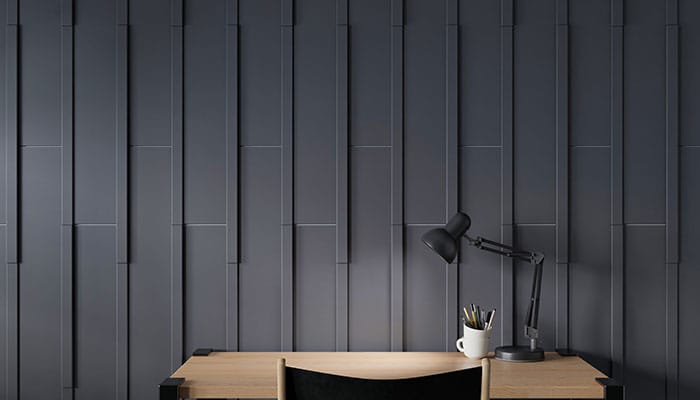
Interlocking wall panels are an essential tool in the modern construction industry, providing an efficient, durable, and aesthetically pleasing solution for a wide range of projects. By reducing installation time and offering seamless, low-maintenance finishes, they allow architects, contractors, and facility managers to focus on the performance of the building, rather than worrying about costly delays or repairs.
For innovative solutions that combine performance with ease of use, Stabilit America remains a top choice for interlocking FRP panels and other advanced building materials.
Frequently asked questions
How do interlocking wall panels perform over time compared to traditional fixed systems?
Interlocking wall panels are designed to maintain alignment and structural integrity over time. Because the panels lock together, they are less prone to shifting, cracking, or developing visible gaps caused by building movement or temperature changes.
Can interlocking wall panels help reduce construction errors on site?
Yes. The precision of interlocking systems reduces the margin for installation errors. Panels are manufactured to fit together consistently, which helps crews install them correctly with less rework and fewer alignment issues.
Are interlocking wall panels suitable for phased or occupied construction projects?
Interlocking systems are well suited for phased construction or renovations in occupied buildings. Their fast assembly and reduced need for wet trades help minimize disruption, noise, and downtime during installation.
How do interlocking panels support cleaner wall systems in controlled environments?
The tight connections between panels limit open joints where dust, moisture, or contaminants could accumulate. This makes interlocking wall panels a strong option for environments that require cleaner, more controlled wall surfaces.
Do interlocking wall panels allow for future modifications or expansion?
Many interlocking panel systems can be disassembled or extended more easily than traditional wall constructions. This flexibility supports future modifications, repairs, or expansions without requiring complete wall replacement.
What role do interlocking wall panels play in long-term maintenance planning?
Because interlocking panels resist moisture damage and physical wear, they typically require fewer repairs over time. Their modular nature also allows individual panels to be replaced without affecting the entire wall system.
Why do experienced FRP manufacturers favor interlocking designs?
Interlocking designs allow FRP manufacturers to deliver systems with predictable performance, consistent quality, and easier installation. These systems reduce dependency on on-site adjustments and help ensure that the final installation matches the intended design and specifications.
Sources consulted:
- https://tekkorpanels.com/2024/05/09/revolutionizing-construction-with-tekkor-panels-the-ultimate-interlocking-panel-system/
- https://www.coloriagroup.net/news/interlocking-wall-panels-easy-assembly-for-efficient-project-progress.html
- https://www.portafab.com/wall-panels.html
Stabilit America Inc. is a leading North American manufacturer of fiberglass reinforced panels (FRP) and polycarbonate sheets, with over 65 years of experience. The company offers the widest range of acrylic, polyester, and polycarbonate laminates, backed by international certifications (USDA, Greenguard, FM, ISO 9001, among others), serving industries such as industrial construction, transportation, and sustainable building.
In today’s construction and architecture markets, energy efficiency and sustainability are paramount. Twinwall polycarbonate panels have become a popular choice for builders, architects, and facility managers seeking to create structures that offer both thermal insulation and impact resistance, all while allowing natural light to penetrate the space.
These panels combine the best of both worlds: the strength and durability of polycarbonate with the insulation and energy savings that come with a multi-wall design.
This article explores the benefits, applications, and considerations of twinwall polycarbonate panels, with a special focus on how Stabilit America’s products align with modern construction demands.
What are twinwall polycarbonate panels?
Twinwall polycarbonate panels are a type of multi-wall sheet made from high-performance polycarbonate plastic. The panels have two layers (hence the “twinwall” designation) with a series of internal cells or chambers between them. These chambers provide thermal insulation, improving the energy efficiency of buildings while still allowing natural light to diffuse through the material.
Polycarbonate, known for its strength, lightweight properties, and impact resistance, is one of the most durable materials used in construction today. Twinwall panels combine these qualities with excellent light diffusion and insulation properties, making them an ideal choice for various applications in both residential and commercial projects.
Key benefits of twinwall polycarbonate panels
Excellent thermal insulation
One of the main advantages of twinwall polycarbonate panels is their superior insulation capabilities. The internal air chambers between the walls help prevent heat loss, making these panels perfect for temperature-sensitive applications like greenhouses, skylights, and even residential or commercial roofing systems.
In colder climates, they help reduce heating costs by minimizing heat loss, while in warmer climates, they can contribute to maintaining a cooler indoor environment.
Impact resistance and durability
Polycarbonate is known for being highly impact-resistant—far more so than materials like glass or acrylic. Twinwall polycarbonate panels are designed to withstand harsh weather conditions, including strong winds, hail, and flying debris. This makes them a preferred option for regions that experience extreme weather events.
Their durability ensures that they will not crack, warp, or discolor over time, even with prolonged exposure to UV rays and outdoor elements.
Light diffusion and natural light
While twinwall polycarbonate panels provide excellent insulation, they also allow significant amounts of natural light to pass through. The design of the panels diffuses the light evenly across the surface, reducing the harsh glare that can occur with traditional glass or acrylic panels. This makes them ideal for applications such as skylights, greenhouse roofs, and atriums.
Lightweight and easy to install
Despite their strength and insulating properties, twinwall polycarbonate panels are relatively lightweight. This makes them easier to handle and install compared to traditional glass or solid plastic materials. Their easy installation saves both time and labor costs during construction.
Common applications for twinwall polycarbonate panels
Twinwall polycarbonate panels are used across a wide range of projects thanks to their versatility and performance. The applications listed below represent roughly 80% of the most common uses, while the remaining 20% includes structures such as pool enclosures, storefront canopies, stadium roofing, and any area that requires shade or controlled daylight.
Polycarbonate can be found around the globe because it combines multiple advantages in a single material. It is lightweight yet strong, offers excellent light transmission, includes UV protection on one or both sides, provides high impact resistance (hail-proof), and delivers energy-efficient insulation. These properties make twinwall polycarbonate panels a reliable solution for both functional and architectural applications.
Greenhouses
The ability to diffuse light while providing thermal insulation makes twinwall polycarbonate panels a popular choice for greenhouses. These panels allow plants to benefit from natural daylight while protecting them from extreme temperatures, helping extend the growing season and support healthier plant growth.
Skylights and rooflights
Twinwall polycarbonate panels are ideal for skylights and rooflights in spaces where natural light is desired without the heat loss associated with traditional glass. They are commonly used in offices, retail spaces, and residential projects to bring daylight into interior areas while improving energy efficiency.
Architectural facades and cladding
Twinwall polycarbonate panels are increasingly used for building facades and cladding due to their balance of visual appeal and performance. They enable striking architectural designs while contributing to thermal efficiency. Their durability and resistance to environmental factors make them well suited for commercial buildings, schools, and public spaces.
Canopies and outdoor structures
For outdoor applications such as walkways, pergolas, and covered entrances, twinwall polycarbonate panels provide reliable protection from the elements. Their resistance to UV exposure helps maintain clarity and performance over time, without yellowing or degradation.
Commercial canopies
In commercial settings, twinwall polycarbonate panels are often used for canopies at building entrances, loading areas, and pedestrian walkways. These panels provide weather protection while allowing natural light to pass through, creating bright and functional covered spaces for customers and employees.
Patio covers
Twinwall polycarbonate panels are a practical solution for patio covers in residential and hospitality projects. They offer shade and UV protection while maintaining a light, open feel. Their insulating properties also help reduce heat buildup, making outdoor spaces more comfortable year-round.
Carports and parking covers
For carports and parking structures, twinwall polycarbonate panels deliver durability and impact resistance while protecting vehicles from sun, rain, and hail. Their lightweight nature simplifies installation, and their light-transmitting qualities improve visibility and safety within covered parking areas.
Overhead doors
Twinwall polycarbonate panels are also used in overhead and sectional doors, particularly in industrial and commercial facilities. They allow natural light into interior spaces without compromising insulation or strength, making them ideal for warehouses, service bays, and manufacturing environments where visibility and durability are essential.
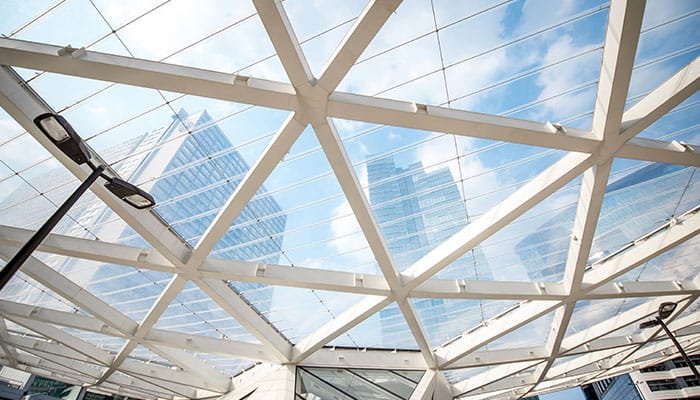
Polycarbonate vs. other materials
When comparing twinwall polycarbonate panels to traditional materials like glass, acrylic, or single-wall polycarbonate, several differences become clear.
- Glass is brittle and can break easily under impact. Polycarbonate panels are virtually unbreakable.
- Acrylic may be more brittle and less insulating compared to twinwall polycarbonate, which offers superior thermal performance.
- Single-wall polycarbonate panels do not provide the same level of insulation as twinwall polycarbonate panels, making the latter a better choice for energy-efficient construction.
Overall, twinwall polycarbonate panels provide a stronger, more energy-efficient alternative to other building materials.
Why Stabilit America is a trusted source for twinwall polycarbonate panels
Stabilit America has built a reputation for providing high-performance building materials, including twinwall polycarbonate panels. With a focus on quality and innovation, Stabilit’s polycarbonate solutions are designed to meet the demanding requirements of modern architecture and construction.
Their extensive experience in providing durable, energy-efficient materials positions them as a leader in the industry. Whether you are designing a greenhouse, a commercial building, or a residential structure, Stabilit America offers polycarbonate solutions that deliver long-lasting performance and energy savings.
Why twinwall polycarbonate panels are the future of sustainable construction
As the demand for energy-efficient and sustainable building materials grows, twinwall polycarbonate panels continue to prove their worth in various applications. They offer an unbeatable combination of insulation, light transmission, and durability that traditional materials simply cannot match.
By choosing high-performance materials like polycarbonate panels from trusted manufacturers such as Stabilit America, builders, architects, and facility managers can create structures that are not only energy-efficient but also resilient and aesthetically pleasing.
Frequently asked questions
How do twinwall polycarbonate panels improve energy efficiency?
The air chambers between the walls of twinwall polycarbonate panels provide thermal insulation, reducing heat loss in colder months and keeping indoor spaces cooler in warmer months. This helps lower energy consumption for heating and cooling, making them ideal for energy-efficient construction.
Can twinwall polycarbonate panels be used for skylights?
Yes. Twinwall polycarbonate panels are an excellent choice for skylights. They provide a balance of natural light diffusion, UV protection, and thermal insulation, making them perfect for building designs that require energy efficiency and natural daylighting.
Are twinwall polycarbonate panels impact-resistant?
Yes. Twinwall polycarbonate panels are highly impact-resistant, making them far stronger than materials like glass or acrylic. This durability makes them an ideal choice for areas that experience high wind speeds, flying debris, or high traffic.
What are the benefits of using polycarbonate panels for building façades?
Polycarbonate panels, especially twinwall versions, provide excellent thermal insulation while allowing natural light to enter the building. They are also resistant to UV rays and harsh weather conditions, making them a great option for both aesthetic and functional purposes in building façades.
Why choose Stabilit America for twinwall polycarbonate panels?
Stabilit America is a leading supplier of polycarbonate panels, offering high-performance solutions for various construction needs. With years of experience and a commitment to quality, Stabilit ensures that its panels meet the demands of modern architecture and construction.
Sources consulted:
- https://www.piedmontplastics.com/blog/twinwall-polycarbonate-enhance-energy-efficiency
- https://www.cutplasticsheeting.co.uk/a-complete-guide-to-twinwall-polycarbonate/
- https://www.spoliamag.com/benefits-of-polycarbonate-twinwall/
Stabilit America Inc. is a leading North American manufacturer of fiberglass reinforced panels (FRP) and polycarbonate sheets, with over 65 years of experience. The company offers the widest range of acrylic, polyester, and polycarbonate laminates, backed by international certifications (USDA, Greenguard, FM, ISO 9001, among others), serving industries such as industrial construction, transportation, and sustainable building.
Drywall has long been the standard material for interior walls, but modern building practices are increasingly moving toward drywall alternatives that offer superior performance in terms of moisture resistance, impact strength, and hygiene. Architects, contractors, and facility managers are actively seeking materials that outperform traditional drywall in terms of durability and longevity.
In environments where drywall cannot withstand moisture, impact, or regular cleaning, materials such as FRP wall panels and polycarbonate panels provide a more robust solution.
This article explores the advantages of alternatives to drywall, with a focus on materials that offer improved protection and long-term value for residential and commercial use.
Why should you consider alternatives to drywall?
Although traditional drywall is effective in many situations, but it has some limitations:
- It absorbs moisture, which can result in warping, mold growth, or deterioration.
- It is susceptible to damage from impacts, especially in areas with high footfall.
- To maintain its appearance, it requires regular painting and maintenance.
These drywall alternatives offer significant improvements in durability, moisture resistance and ease of maintenance, making them ideal for critical applications.
Drywall alternatives: FRP and polycarbonate panels.
FRP wall panels: Superior moisture resistance and durability.
FRP (fibreglass-reinforced plastic) wall panels are an excellent alternative to drywall for environments prone to moisture and heavy-duty use. These panels are commonly used in:
- Commercial kitchens.
- Healthcare and clean environments.
- Food processing plants.
- Basements and areas with high moisture content.
FRP panels are highly resistant to water, mould and mildew, making them the perfect choice for areas where drywall would quickly deteriorate. They are also impact-resistant and easy to clean, and are available in a wide range of colours and finishes.
In addition, FRP wall panels are lightweight, reducing installation time and costs compared to heavier materials such as concrete or tiles.
Polycarbonate panels: Lightweight, strong, and transparent
Polycarbonate panels are another popular alternative to drywall, particularly in environments where light transmission and transparency are important. Polycarbonate is a high-performance material known for its:
- It has exceptional impact strength, which is often much higher than that of glass or acrylic.
- UV resistance protects interiors from fading and degradation.
- Light diffusion helps to create bright, airy spaces.
Polycarbonate panels are ideal for areas where natural light is desired. Examples include:
- Skylights and roofing.
- Greenhouses.
- Commercial buildings with clear or translucent walls enhance visual appeal.
These panels are ideal for applications requiring high durability and weather resistance, such as exterior wall cladding and roof coverings. The combination of strength, UV protection, and light diffusion makes polycarbonate a top choice for various industrial and architectural applications.
The benefits of using alternatives
Enhanced durability
Polycarbonate panels and FRP wall panels are designed to withstand impact, moisture, and other stresses that would cause drywall to crack, warp, or rot. These materials provide a more durable solution, reducing the need for repairs and replacements over time.
Moisture and mold resistance
Both FRP wall panels and polycarbonate panels excel in wet or humid environments where drywall would absorb moisture and promote mold growth. These materials are non-porous and resistant to water damage, ensuring the integrity of your walls even in challenging conditions.
Hygiene and easy maintenance
In environments like commercial kitchens, healthcare facilities, and clean rooms, hygiene is a top priority. FRP wall panels offer a smooth, non-porous surface that’s easy to clean and maintain, reducing the buildup of bacteria and contaminants. Similarly, polycarbonate panels are easy to wipe down and resistant to chemicals, making them suitable for environments requiring frequent cleaning.
Aesthetics and customization
Both FRP wall panels and polycarbonate panels come in various colors, textures, and finishes. This provides designers and architects with greater flexibility in creating functional yet aesthetically pleasing spaces. Whether you’re looking for a matte finish for a clean environment or a transparent wall to maximize natural light, these materials offer numerous possibilities.
When to use drywall alternatives
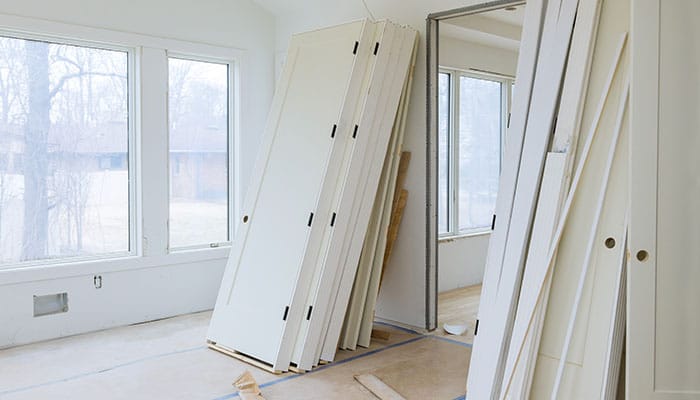
Choosing drywall alternatives depends on the specific needs of your project. Some common scenarios where these materials outperform drywall include:
- High-moisture environments (kitchens, bathrooms, basements).
- Areas requiring high durability (hospitals, industrial spaces).
- Locations where impact resistance is crucial (schools, warehouses).
- Spaces requiring cleanability and low maintenance (food processing, laboratories).
By specifying materials like FRP wall panels or polycarbonate panels, you can improve the overall performance of your building while ensuring it meets the demands of modern environments.
Why Stabilit America is the leading supplier of drywall alternatives
Stabilit America has established itself as a leader in the production and supply of FRP panels and polycarbonate panels. Their products are known for their durability, versatility, and performance across a wide range of applications.
Whether you need materials for interior or exterior use, Stabilit America offers innovative solutions that meet the high standards of today’s construction and industrial projects.
The future of building materials
While drywall continues to be a go-to material for many applications, offer superior performance in environments that demand more from their building materials. By switching to these advanced solutions, you can increase the longevity of your walls, reduce maintenance costs, and improve the overall quality of your space.
If you’re considering drywall alternatives for your next project, working with experienced manufacturers like Stabilit America ensures you get the highest-quality materials backed by technical support and innovative design options.
Frequently asked questions
Why should I consider alternatives to drywall?
They are ideal for environments where moisture resistance, impact strength, and hygiene are critical. Materials like FRP wall panels and polycarbonate panels provide greater durability and are easier to maintain compared to traditional drywall.
Are polycarbonate panels suitable for residential use?
Yes, polycarbonate panels can be used in residential projects, especially in areas where light transmission is important, such as skylights, porch roofs, or sunrooms. They offer durability and UV protection while maintaining natural light.
Can FRP panels be used outdoors?
Yes. FRP panels are often used for exterior applications because of their resistance to weather conditions, UV rays, and moisture. They are perfect for cladding, roofing, and other outdoor structures.
Why is Stabilit America a trusted supplier for drywall alternatives?
Stabilit America is a leader in providing high-performance materials like FRP panels and polycarbonate panels. With years of expertise, Stabilit offers durable, customizable solutions that meet the demands of modern construction projects across multiple industries.
Sources consulted:
- https://www.thespruce.com/drywall-alternatives-8662930
- https://designingidea.com/drywall-alternatives/
- https://www.taskrabbit.com/blog/14-best-drywall-alternatives-for-your-walls/
Stabilit America Inc. is a leading North American manufacturer of fiberglass reinforced panels (FRP) and polycarbonate sheets, with over 65 years of experience. The company offers the widest range of acrylic, polyester, and polycarbonate laminates, backed by international certifications (USDA, Greenguard, FM, ISO 9001, among others), serving industries such as industrial construction, transportation, and sustainable building.
The construction industry is under constant pressure to deliver projects more quickly and efficiently with fewer errors. Traditional linear building processes often find it difficult to meet these demands. This is where parallel construction comes into play.
Parallel construction is a modern approach that enables different stages of a project to progress simultaneously. This method reduces timelines, improves coordination and increases overall project efficiency by overlapping design, fabrication and installation activities.
For manufacturers and material suppliers such as Stabilit America, parallel construction is perfectly aligned with the use of high-performance building materials designed for speed, precision and scalability.
What is parallel construction?
In parallel construction, different construction activities are carried out simultaneously rather than sequentially. Rather than waiting for one phase to be completed before starting the next, teams work in parallel to speed up the overall schedule.
For example:
- Structural elements can be fabricated while the site is still being prepared.
- While the foundations are being poured, wall and cladding systems can be manufactured off-site.
- Interior components can be planned and prepared even before the building envelope is fully complete.
This approach requires careful planning and coordination, as well as materials that facilitate rapid installation and ensure consistent performance.
Why parallel construction is gaining momentum
Faster project delivery
One of the biggest advantages of parallel construction is reduced build time. By overlapping tasks, projects can reach completion weeks or even months sooner than traditional methods.
Improved cost control
Shorter timelines often lead to lower labor costs and reduced exposure to delays. Parallel construction also helps identify potential issues earlier, minimizing costly rework.
Greater precision and quality
Parallel construction frequently relies on prefabrication and modular components. These elements are produced in controlled environments, improving accuracy and consistency.
Better collaboration across teams
Architects, engineers, manufacturers, and contractors must work closely together. This collaborative mindset often leads to better decision-making and smoother execution.
The role of materials in parallel construction
Not all materials are suitable for parallel construction. This approach depends on products that are:
- Lightweight and easy to handle.
- Consistent in quality and dimensions.
- Compatible with prefabrication and modular systems.
- Quick to install on-site.
This is where advanced panel systems, including FRP panels, play a critical role.
How FRP panels support parallel construction
Fiberglass Reinforced Plastic panels are well suited for modern construction workflows. Their properties align closely with the needs of parallel construction projects.
Lightweight and easy to install
FRP panels are easier to transport and install than many traditional materials. This supports faster on-site assembly and reduces labor demands.
Prefabrication-friendly
FRP panels can be manufactured to precise specifications before arriving on-site. This allows wall systems and cladding solutions to be prepared in parallel with other construction phases.
Durability without added complexity
Despite being lightweight, FRP panels offer excellent durability, moisture resistance, and long-term performance. This reduces concerns about damage during fast-paced construction schedules.
Consistent performance across projects
Parallel construction often involves repeatable designs or modular layouts. FRP panels deliver consistent results, making them ideal for scalable building programs.
Applications of parallel construction across industries
Parallel construction is increasingly used in sectors where speed and efficiency are critical, including:
- Commercial and industrial facilities.
- Healthcare and controlled environments.
- Educational buildings.
- Multi-unit residential developments.
- Modular and prefabricated construction projects.
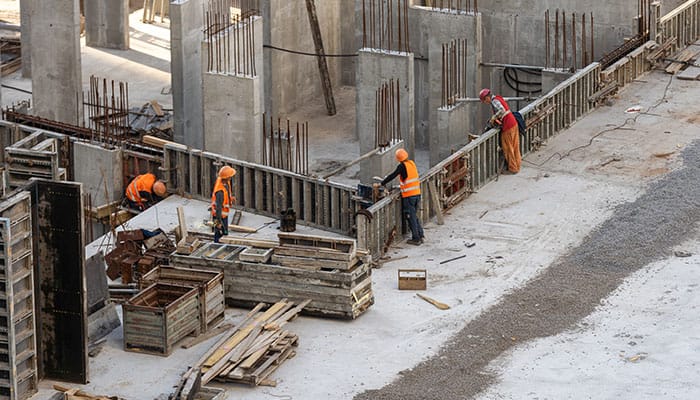
In each of these cases, material selection directly impacts how smoothly parallel workflows can be executed.
Challenges to consider in parallel construction
While parallel construction offers clear benefits, it also comes with challenges that must be managed carefully:
Coordination and planning
Parallel workflows require detailed scheduling and strong communication across teams. Misalignment can lead to conflicts or delays.
Material compatibility
Materials must be available on time and meet exact specifications. Delays or inconsistencies can disrupt multiple workstreams at once.
Experienced partners
Working with reliable manufacturers and suppliers is critical. Partners must understand the demands of parallel construction and deliver consistent results.
Why Stabilit America fits the parallel construction model
Stabilit America specializes in engineered panel solutions designed for modern construction methods. Their FRP and polycarbonate products support prefabrication, modularity, and fast installation, making them a strong fit for parallel construction strategies.
By providing consistent quality, technical expertise, and scalable production capabilities, Stabilit America helps project teams confidently integrate panel systems into accelerated construction schedules.
Their experience across commercial, industrial, and architectural markets positions them as a valuable partner for projects that prioritize efficiency without compromising performance.
Building smarter with parallel construction
Parallel construction represents a shift toward smarter, more efficient building practices. By rethinking how projects are planned and executed, teams can reduce timelines, improve quality, and better control costs.
When paired with high-performance materials like FRP panels and supported by experienced partners such as Stabilit America, parallel construction becomes a powerful approach for delivering modern, scalable, and resilient buildings.
Frequently asked questions
How is parallel construction different from traditional building methods?
Traditional construction follows a linear sequence, while parallel construction overlaps design, fabrication, and installation. This reduces total project time and improves coordination when teams and materials are aligned.
What types of projects benefit most from parallel construction?
Projects with tight schedules, repeatable layouts, or modular components benefit the most. These include commercial facilities, healthcare buildings, multi-unit residential developments, and prefabricated structures.
Does parallel construction increase project risk?
When poorly coordinated, it can. However, with detailed planning, clear communication, and reliable suppliers, parallel construction often reduces risk by identifying issues earlier and shortening exposure to delays.
Why are panel systems important in parallel construction?
Panel systems simplify prefabrication and speed up on-site installation. Lightweight, dimensionally consistent materials help keep parallel workflows moving without bottlenecks.
Are FRP panels suitable for fast-track construction schedules?
Yes. FRP panels are lightweight, durable, and easy to install, making them well suited for prefabrication and accelerated build timelines common in parallel construction.
Sources consulted:
- https://www.procore.com/library/construction-fast-tracking
- https://www.weforum.org/stories/2025/01/modular-construction-productivity-circularity/
- https://theoffsiteguide.com/articles/6-examples-of-mmc-in-action
Stabilit America Inc. is a leading North American manufacturer of fiberglass reinforced panels (FRP) and polycarbonate sheets, with over 65 years of experience. The company offers the widest range of acrylic, polyester, and polycarbonate laminates, backed by international certifications (USDA, Greenguard, FM, ISO 9001, among others), serving industries such as industrial construction, transportation, and sustainable building.
In the construction industry—where ambitious designs meet complex execution—keeping everyone safe on-site is not just a priority, it’s a non-negotiable obligation. Construction safety rules exist to protect lives, maintain compliance, and preserve the reputation and continuity of the companies involved.
With Stabilit America at the forefront of providing high-quality, safer building elements like FRP panels, we’re here to walk you through the essential construction safety rules that safeguard workers, support regulatory compliance, and help you design projects where safety is built in from day one.
Important Safety Rules in the Construction Industry
Safety in construction is never about a single rule or one “weak link”—it’s a system of construction safety rules that work together to protect everyone on the job site. These rules cover everything from PPE (personal protective equipment) to rigorous inspections, training programs and the selection of safer building materials.
Some of the most important construction safety rules include:
Wearing Personal Protective Equipment (PPE)
Putting on the right PPE is the first line of defense against on-site hazards. Complying with PPE requirements is not just about checking a box—it’s a visible commitment to safeguarding the well-being of your team.
Essential elements include:
- Helmets to protect against falling objects
- Safety glasses or face shields to guard against dust, debris and chemical splashes
- Gloves suited to the task (cut-resistant, chemical-resistant, etc.)
- Sturdy, slip-resistant footwear to prevent slips, trips and puncture injuries
- Hearing protection in high-noise areas
- High-visibility clothing where vehicle or equipment traffic is present
Consistently applying these construction safety rules reduces the severity and frequency of common on-site incidents.
Regular Training
Mastery of safety protocols isn’t achieved in a single session—it’s cultivated over time through continuous training. Robust construction safety rules require that teams stay up to date on:
- New hazards and site-specific risks
- Safe work procedures and emergency protocols
- Changes in regulations or standards
- Proper use of tools, equipment and materials (including safer systems like FRP panels)
Ongoing toolbox talks, refreshers and scenario-based drills ensure every team member is competent in identifying hazards and applying the right controls before an incident occurs.
Clear Signage and Communication
Effective signage does more than signal danger—it communicates critical information that guides split-second decisions. As part of your construction safety rules, signage should:
- Highlight restricted areas, fall hazards and overhead work
- Mark safe access routes and emergency exits
- Identify locations of first-aid kits, fire extinguishers and emergency equipment
Clear, standardized signage and simple visual communication (such as color coding and pictograms) act as silent sentinels, helping crews navigate a complex site while staying safe.
Culture of Safety
Real construction safety rules go beyond written procedures. They are reflected in:
- Supervisors modeling safe behavior
- Workers feeling empowered to stop work when they see unsafe conditions
- Rapid reporting and correction of near-misses and hazards
- Recognition and reinforcement of safe practices
At Stabilit America, we understand that integrating these construction safety rules with the use of safer building elements—like corrosion-resistant, fire-performance-oriented FRP panels—not only supports structural performance but also strengthens the overall safety envelope of your project.
Application of Safety Regulations on Construction Sites
The proper application of construction safety rules is systematic and requires diligent oversight. Good intentions aren’t enough—safety must be planned, documented and consistently enforced.
Key elements of applying safety regulations include:
Comprehensive Safety Plan
Every project should begin with a written safety plan that:
- Identifies key hazards (falls, electrical, confined spaces, heavy equipment, etc.)
- Defines control measures (guardrails, lockout/tagout, fall protection, etc.)
- Specifies roles and responsibilities (who inspects, who trains, who reports)
- Outlines emergency procedures and communication protocols
This plan turns high-level construction safety rules into a practical roadmap for day-to-day operations.
Safety Meetings and Drills
Regular safety meetings, pre-task briefings and emergency drills:
- Keep construction safety rules visible and top of mind
- Provide space to discuss site-specific risks as conditions change
- Allow workers to raise concerns and share lessons learned from near-misses
These activities ensure that safety is not just “in the manual” but actively practiced and continuously improved.
Inspection and Maintenance of Tools, Equipment and Materials
Another core application of construction safety rules is thorough inspection and maintenance of:
- Tools and machinery (ensuring guards are in place, controls function correctly and equipment is fit for use)
- Scaffolding, ladders and access equipment (checked regularly for structural integrity and proper setup)
- Temporary and permanent building elements, including FRP panels and polycarbonate systems known for their durability and safety benefits
Using robust, reliable materials like FRP panels from Stabilit America reduces the likelihood of failures that could compromise both construction safety rules and long-term building performance.
Preventing Accidents in Construction
In any construction project, preventing accidents is an ongoing, proactive effort that goes beyond basic compliance. Effective construction safety rules require an integrated approach that blends foresight with action.
This approach doesn’t just minimize risks—it seeks to systematically eliminate them wherever possible, creating a work environment where safety is woven into every task.
Risk Assessment
Accident prevention begins with a meticulous risk assessment. This process:
- Identifies hazards at each project phase (design, excavation, structural work, finishing, etc.)
- Analyzes likelihood and potential severity of incidents
- Prioritizes controls according to the hierarchy of controls (elimination, substitution, engineering controls, administrative controls, PPE)
By building risk assessment into your construction safety rules, you create a safety blueprint that anticipates and controls hazards before work begins.
Safety Equipment Beyond PPE
While PPE is essential, modern construction safety rules also emphasize engineering out hazards through safer materials and systems.
For example:
- FRP panels from Stabilit America contribute to safer environments thanks to their:
- High strength and impact resistance
- Enhanced fire performance in selected formulations
- Resistance to corrosion and moisture, reducing long-term structural degradation
- Using non-corroding, fire-performance-oriented materials can prevent failures that might otherwise lead to injuries or emergencies.
In other words, your choice of materials—such as FRP panels and polycarbonate systems—becomes a practical part of your construction safety rules.
Emergency Preparedness
A strong set of construction safety rules always includes a robust emergency preparedness plan. This plan should:
- Define site-specific emergency scenarios (fire, structural failure, medical emergency, severe weather)
- Detail roles, responsibilities and communication channels
- Include drills so that responses are practiced, not improvised
- Integrate building elements—like resilient FRP and polycarbonate panels—that help maintain structural integrity during emergencies
When structures incorporate durable, fire-resistant and impact-resistant materials, crews can often respond more safely and efficiently to unforeseen events.
By combining risk assessment, safer equipment and robust emergency planning, you move beyond a minimalist approach and build a comprehensive system in which construction safety rules are fully integrated into daily operations.
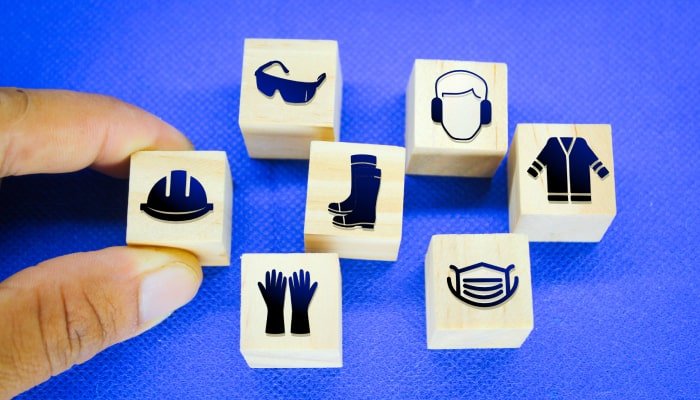
Take Action for Safety
The essence of construction safety rules goes far beyond regulatory checklists. It’s about building a safer future for every worker, subcontractor and visitor who steps onto your site.
Embracing these rules is a pledge to:
- Uphold the well-being of every individual on your worksite
- Integrate stringent safety protocols into planning, execution and maintenance
- Select high-quality materials—such as FRP panels from Stabilit America—that align with your safety and performance goals
- Foster a safety culture where everyone has a voice and a responsibility
By doing so, you help shape a construction industry where success is measured not only by schedules and budgets but also by the absence of injuries and the protection of human life.
At Stabilit America, our commitment to safety is unwavering. By choosing materials that support your construction safety rules, we help strengthen the protective measures that shield teams from the unexpected.
For insights into how our products—such as FRP panels and polycarbonate systems—can enhance your project’s safety profile, contact us. Remember: safety is a shared journey. Together, we can build not only impressive structures, but also a legacy of safety, care and responsibility.
Frequently Asked Questions (FAQs)
1. What are the most important construction safety rules on a job site?
Some of the most important construction safety rules include:
- Mandatory use of appropriate PPE (helmets, safety glasses, gloves, protective footwear, hearing protection).
- Regular training and toolbox talks to keep safety procedures current.
- Clear signage and communication to identify hazards, safe routes and emergency equipment.
- Routine inspections of tools, equipment, scaffolding and materials.
- A documented safety plan that addresses site-specific risks and emergency procedures.
Together, these construction safety rules create multiple layers of protection for workers.
2. Why are construction safety rules so critical in the industry?
Construction remains one of the highest-risk industries. Construction safety rules are critical because they:
- Reduce the likelihood and severity of injuries and fatalities.
- Help companies comply with regulations and standards.
- Protect equipment, materials and project timelines from accident-related disruptions.
- Support a strong safety culture, which improves morale and productivity.
Consistent application of construction safety rules is essential for both ethical and business reasons.
3. How do FRP panels support construction safety rules?
FRP panels support construction safety rules by:
- Offering high impact resistance, reducing the chance of breakage or failure.
- Providing enhanced fire performance in specific product lines.
- Resisting corrosion and moisture, which helps maintain structural integrity over time.
- Reducing the need for frequent repairs that might expose crews to additional hazards.
By choosing stable, durable materials such as Stabilit America’s FRP panels, you integrate safety directly into the structure itself.
4. What role does training play in construction safety rules?
Training is a cornerstone of effective construction safety rules because it:
- Ensures workers understand hazards and how to control them.
- Reinforces proper use of PPE, tools and equipment.
- Keeps teams updated on changes in procedures, site conditions and regulations.
- Builds confidence in recognizing unsafe situations and speaking up when something is wrong.
Without ongoing training, even well-written construction safety rules will not be applied consistently.
5. How can a construction company improve its safety culture?
A company can strengthen its safety culture and better apply construction safety rules by:
- Having leaders and supervisors model safe behavior at all times.
- Encouraging workers to report hazards and near-misses without fear of punishment.
- Recognizing and rewarding safe practices.
- Investing in safer materials and technologies, such as FRP panels and polycarbonate systems that enhance structural safety.
When safety is visibly prioritized, construction safety rules become part of the daily routine—not just a formality.
6. What should be included in an emergency plan for a construction site?
An emergency plan that supports your construction safety rules should include:
- Clear evacuation routes and assembly points.
- Procedures for fire, medical emergencies, structural incidents and severe weather.
- Defined roles and responsibilities for supervisors, first responders and workers.
- Up-to-date contact information for emergency services.
- Regular drills to ensure everyone knows how to respond quickly and safely.
Integrating robust emergency planning with strong construction safety rules helps protect your team when the unexpected happens.
Stabilit America Inc. is a leading North American manufacturer of fiberglass reinforced panels (FRP) and polycarbonate sheets, with over 65 years of experience. The company offers the widest range of acrylic, polyester, and polycarbonate laminates, backed by international certifications (USDA, Greenguard, FM, ISO 9001, among others), serving industries such as industrial construction, transportation, and sustainable building.