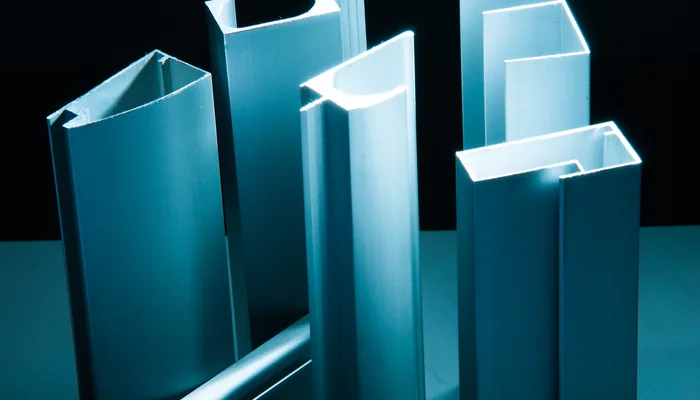
Once a project has been designed around Multiwall panels, a second, less obvious but equally important question often comes up: which profiles are needed for proper installation? It is common to find only a short list, such as U profile and H profile, without much context about when to use each one or how they affect the finish and performance of the system. This is precisely the question that often comes up among installers and contractors before finalizing a material estimate.
What are profiles used for in a Multiwall system?
Multiwall polycarbonate panels have internal channels that give them their lightweight construction and thermal insulation capabilities. When those channels are left exposed, they can allow dust, insects, and moisture to enter, which can eventually affect the panel’s light transmission and appearance.
Profiles help close these exposed ends and join sheets together while accounting for the material’s natural expansion and contraction as temperatures change. An improperly selected profile can affect more than aesthetics: it may restrict this natural movement and create stress within the sheet.
U profile: Closing and protecting panel edges
The U profile is installed along the ends of the panel, typically at the top and bottom. Its primary function is to protect the sealing tape covering the open channels, helping prevent dirt and condensation from accumulating inside the panel’s internal structure.
In sloped installations, it is common to make small drainage holes in the lower U profile so that moisture caused by condensation can escape instead of becoming trapped.
In practice, the U profile serves as the closure point that helps protect the panel system as it ages.
H profile: Joining panels and creating continuity
When a project requires more than one sheet installed side by side, the H profile comes into play. Its purpose is to join two adjacent panels while creating visual continuity across the surface without exposed screws at the connection.
It also allows some movement between the sheets, helping accommodate the material’s natural thermal expansion without compromising the seal.
How to choose between U and H profiles
In most projects, the choice isn’t about selecting one profile or the other but about using them according to the installation geometry. The U profile closes the free edges of each sheet, while the H profile is used where two sheets meet.
Panel width, the number of sheets required to cover the opening, and whether the installation is for a roof or wall ultimately determine how much of each profile is needed.
Before cutting or drilling any sheet, it is worth reviewing the basic steps in how to install polycarbonate roofing sheets.
A small detail that can prevent major installation problems
Choosing the right U and H profiles is not an optional detail in the installation process. It helps preserve the performance expected from a Multiwall panel system.
If your project is still defining its accessories, discussing the material list with the Stabilit America technical team before finalizing it can help ensure that each profile matches the thickness and configuration of your Macrolux panels.
Frequently Asked Questions
Is the U profile used on all four sides of the panel?
It is generally installed on edges that do not connect to another sheet, such as the top and bottom edges or free side edges, depending on the project orientation.
Does the H profile replace sealing tape?
No. The tape seals the panel’s internal channels, while the H profile protects the connection and provides a finished appearance between two panels.
Are profiles available in the same color as the panel?
Options are available in different finishes. It is recommended to confirm availability with the supplier for the specific panel color being used.
Is it necessary to use both profiles in the same installation?
It depends on the design. A single panel may only require a U profile, while a connection between two or more sheets will require an H profile.

Stabilit America Inc. is a leading North American manufacturer of fiberglass reinforced panels (FRP) and polycarbonate sheets, with over 65 years of experience. The company offers the widest range of acrylic, polyester, and polycarbonate laminates, backed by international certifications (USDA, Greenguard, FM, ISO 9001, among others), serving industries such as industrial construction, transportation, and sustainable building.
When planning a project involving translucent roofing or enclosure systems, most of the attention tends to focus on installation: the correct slope, the profile system, and sealing. However, many of the problems later attributed to installation—marks, deformation, or cloudy areas in the material—actually originate before that stage, during transportation, unpacking, or the time the sheets spend in storage at the job site.
Understanding how to properly handle and store polycarbonate sheets helps ensure that the material reaches the roof in the same condition in which it left the factory.
Transportation: The first point where things can go wrong
Polycarbonate sheets are lightweight, but that does not make them immune to impacts or excessive bending. During transportation, they should be kept fully supported in a flat position or vertically supported along their long edge, avoiding situations where they bend over narrow surfaces or come into contact with sharp edges that could scratch the surface or damage the internal channels.
Unprotected corners are particularly vulnerable: an impact to a corner can compromise the rigidity of the entire sheet, even if the damage is not immediately visible.
Unpacking: Be careful with what may seem like a minor step
When an order arrives, it is recommended to inspect the packaging before handling the sheets individually and to avoid dragging one sheet across another, since friction between surfaces can create micro-scratches that may later affect light transmission.
Storage: Shade, a flat surface, and moderate stacking
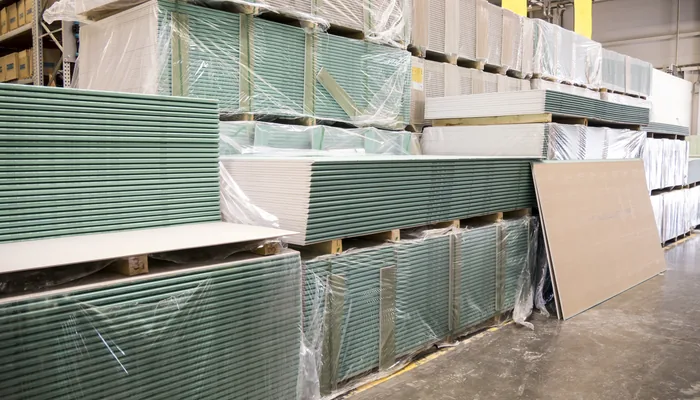
Storage is probably the stage where the most damage can be prevented. Sheets should be stored in a covered area, away from direct heat sources and prolonged exposure to sunlight, since heat buildup beneath the protective film can make the film more difficult to remove later.
On a flat, even surface with continuous support, sheets can be stacked to a moderate height; excessive stacking or uneven support points can cause permanent curvature over time. When storage extends for several weeks, it is preferable to keep the sheets inclined and properly supported rather than leaving them completely flat outdoors.
This care during the pre-installation stage is particularly important for Multiwall Panels, whose internal cell structure provides thermal and acoustic insulation but can also be compromised if the material is subjected to uneven weight loads during storage.
The protective film: Why it should not be removed too early
Each sheet is delivered with a protective film that serves a dual purpose: it prevents scratches during handling and identifies which side has UV protection. Removing the film too early—even out of curiosity or to “inspect” the product—leaves the surface exposed to dust, moisture, and scratches that can later be difficult to correct.
As a practical reference, the side marked with printed or light-colored film should face outward once the sheet is installed; for this reason, it is recommended to keep the film intact until the actual installation.
From the job site to the roof: A transition worth planning
Before lifting the sheets onto the roof, it is good practice to have cutting tools ready—such as a utility knife, jigsaw, or similar tool—and to make sure the installation team is familiar with the material’s thermal expansion, which behaves differently from other enclosure systems.
Before lifting the sheets onto the roof, it is good practice to have the cutting tools ready and make sure the installation team understands how the material responds to thermal expansion. Knowing how to install polycarbonate roofing sheets can also help the team prepare for the steps that follow, from positioning the panels to completing the final seal.
A good start sets the course for the entire project
The final result of a translucent roof or enclosure depends not only on how the material is installed but also on how it was handled before reaching that stage. Paying attention to transportation, unpacking, and storage reduces the risk of unnecessary replacements and helps the project move forward without complications.
If the installation team has questions about handling a specific model or thickness, it is worth addressing them before work begins rather than trying to resolve them along the way.
Frequently Asked Questions
How long can polycarbonate sheets be stored before installation?
There is no strict time limit, but the longer the sheets are stored, the more important it becomes to maintain proper shade and support conditions to prevent deformation.
Can the protective film be removed before lifting the sheet onto the roof?
It is recommended to leave the film in place until the sheet has been secured in its final position, as it also identifies the side with UV protection.
Can the sheets be stacked directly on the floor?
It is preferable to place them on a flat, even surface, avoiding direct contact with the ground or uneven support points.
Does heat during transportation affect the material?
Prolonged exposure to heat can make the protective film more difficult to remove later, so it is best to avoid leaving the sheets in direct sunlight before installation.
Stabilit America Inc. is a leading North American manufacturer of fiberglass reinforced panels (FRP) and polycarbonate sheets, with over 65 years of experience. The company offers the widest range of acrylic, polyester, and polycarbonate laminates, backed by international certifications (USDA, Greenguard, FM, ISO 9001, among others), serving industries such as industrial construction, transportation, and sustainable building.
Lamination sheets are an essential component in modern construction, interior design, and industrial applications. They provide a durable, lightweight, and aesthetically versatile solution for walls, ceiling tiles, and other surfaces. Among the many materials available for lamination, fiberglass-reinforced plastic (FRP) has emerged as a top choice due to its durability, chemical resistance, and ease of installation.
For companies like Stabilit America, using FRP for laminated panels represents an advanced solution for both residential and commercial projects, outperforming traditional materials like wood, metal, or PVC. In this article, we’ll explore the advantages of FRP lamination sheets, compare them to other substrates, and discuss common applications in modern construction.
What are lamination sheets?
Lamination sheets are thin panels or layers used to cover surfaces for protection, decoration, or structural reinforcement. They can be made from various materials, including plastics, composites, metals, and fiberglass.
In the context of FRP, lamination sheets consist of fiberglass fibers embedded in a resin matrix, forming a strong, lightweight panel that can be applied to walls, ceilings, and other surfaces.
Advantages of FRP lamination sheets
Durability and impact resistance
FRP lamination sheets are highly resistant to impact and physical wear. This makes them ideal for high-traffic areas, industrial environments, and applications where traditional materials like wood or drywall would quickly degrade. Unlike fragile surfaces, FRP panels can withstand bumps, scratches, and frequent cleaning without losing their integrity.
Chemical and moisture resistance
One of the main benefits of FRP sheets is their resistance to chemicals, moisture, and stains. This makes them suitable for areas that require sanitation, such as kitchens, hospitals, food processing facilities, and laboratories. Other substrates, like wood or MDF, may absorb moisture and warp, while FRP remains stable under harsh conditions.
Lightweight and easy to install
FRP lamination sheets are lightweight, reducing labor costs and installation time. Their flexibility allows for easy cutting and shaping to fit walls, ceilings, or custom designs. This is particularly advantageous for modular panels, ceiling tiles, and custom laminated surfaces in both commercial and residential projects.
Low maintenance
Unlike materials that require frequent painting, sealing, or refinishing, FRP lamination sheets are virtually maintenance-free. Cleaning is simple: a quick wipe with soap and water is usually sufficient. This low-maintenance property is especially beneficial for industrial and healthcare applications where hygiene is critical.
Aesthetic flexibility
FRP sheets can be manufactured in various colors, textures, and finishes. This allows designers and builders to match existing décor or create modern, visually appealing environments. Compared to metal or standard plastic panels, FRP provides more design flexibility without compromising strength or durability.
FRP lamination vs. other substrates
| Feature | FRP sheets | Wood panels | PVC panels | Metal sheets |
| Impact resistance | High. | Moderate. | Low. | High. |
| Moisture resistance | Excellent. | Poor. | Good. | Good. |
| Chemical resistance | Excellent. | Low. | Moderate. | High. |
| Weight | Lightweight. | Heavy. | Light. | Moderate to Heavy. |
| Maintenance | Low. | High. | Moderate. | Moderate. |
| Design flexibility | High. | Moderate. | Moderate. | Low. |
| Longevity | 20+ years. | 5–10 years. | 10–15 years. | 15–20 years. |
From this table, it is clear that FRP lamination sheets outperform traditional substrates in almost every performance metric, making them ideal for durable, long-lasting paneling and ceiling solutions.
Common applications for FRP lamination sheets
Wall panels
FRP sheets are commonly used for wall panels in hospitals, schools, food processing plants, and commercial spaces. Their chemical resistance, impact durability, and easy cleaning make them superior to traditional wall coverings.
Ceiling tiles
Lightweight FRP lamination sheets are perfect for ceilings where moisture, cleaning, or structural constraints are concerns. They can replace heavier or less durable materials while providing a clean, modern look.
Modular panels
FRP lamination sheets are also ideal for modular applications. Their durability and flexibility allow for easy assembly and reconfiguration in temporary installations, exhibition spaces, or commercial interiors.
Exterior applications
With proper finishing and treatment, FRP sheets can be used as exterior FRP panels to protect building facades, roofing edges, or outdoor structures. Their resistance to weather and UV radiation makes them a reliable option for exterior paneling.
Why choose Stabilit America for lamination sheets?
As a leading provider of advanced composite materials, Stabilit America offers FRP sheets engineered for performance, durability, and aesthetics.
From interior wall panels to exterior surfaces, their FRP lamination sheets are designed to meet the demands of modern construction, industrial, and commercial applications.
Frequently asked questions
Can FRP lamination sheets be used outdoors?
Yes. With proper finishing and UV-resistant resin systems, FRP lamination sheets can be used for exterior wall panels, facades, and roofing applications, providing long-term durability in outdoor conditions.
How do FRP lamination sheets compare to traditional PVC or metal panels in maintenance?
FRP lamination sheets require minimal maintenance. Unlike PVC or metal, they resist stains, corrosion, and chemical exposure, and they can be cleaned with simple soap and water without affecting their finish.
Are FRP lamination sheets suitable for high-moisture areas?
Absolutely. FRP panels are non-porous and moisture-resistant, making them ideal for bathrooms, kitchens, laboratories, food processing areas, and other wet environments.
Can lamination sheets be customized in color and texture?
Yes. FRP lamination sheets can be produced in a variety of colors, finishes, and textures, allowing designers to achieve both functional and aesthetic goals for interior or exterior surfaces.
How long do FRP lamination sheets typically last?
FRP lamination sheets are highly durable and can last 20+ years with proper installation and care. Their resistance to impact, chemicals, and moisture ensures long-term performance compared to traditional wall and ceiling materials.
Sources consulted:
- https://www.muifatt.com.my/blog/detail/frp-panels-vs-traditional-materials
- https://trusscore.com/blog/top-frp-alternatives-for-construction-projects.html
- https://www.delpro1638.com/post/comparing-pvc-and-frp-panels-for-commercial-wall-and-ceiling-applications
Stabilit America Inc. is a leading North American manufacturer of fiberglass reinforced panels (FRP) and polycarbonate sheets, with over 65 years of experience. The company offers the widest range of acrylic, polyester, and polycarbonate laminates, backed by international certifications (USDA, Greenguard, FM, ISO 9001, among others), serving industries such as industrial construction, transportation, and sustainable building.
Concerns around material safety are becoming increasingly relevant across industries, especially when it comes to widely used composites like fiberglass. Questions such as “Is fiberglass dangerous?” are common among professionals and consumers alike, often driven by uncertainty about exposure, handling, and long-term effects.
While fiberglass is a highly versatile and reliable material, understanding its real risks—and how to manage them—is essential. When properly handled and installed, fiberglass products are considered safe and effective for a wide range of applications.
What is fiberglass, and where is it used?
Fiberglass is a composite material made from fine glass fibers embedded in a polymer matrix. It is widely used in construction, industrial environments, and commercial applications due to its strength, lightweight properties, and resistance to corrosion.
Common uses include insulation, structural components, and surface solutions such as fiberglass panels, which are valued for their durability and ease of maintenance in demanding environments.
Is fiberglass dangerous to health?
Skin irritation and physical contact
Direct contact with fiberglass can cause temporary skin irritation. The tiny glass fibers may create itching or redness, particularly during installation or handling of raw materials.
However, this is typically a short-term effect and can be easily prevented with protective clothing such as gloves and long sleeves.
Inhalation risks during installation
When fiberglass is cut, drilled, or manipulated, small airborne particles can be released. Inhaling these particles may cause irritation in the nose, throat, or respiratory system.
To mitigate this risk, proper ventilation and the use of protective masks or respirators are recommended, especially in enclosed spaces.
Long-term exposure considerations
Modern fiberglass products are designed to meet strict safety standards. Once installed, fiberglass materials are stable and do not release harmful particles under normal conditions.
In finished applications, the fibers are typically encapsulated within resin systems, significantly reducing any risk of exposure.
How to handle fiberglass safely
Use appropriate protective equipment
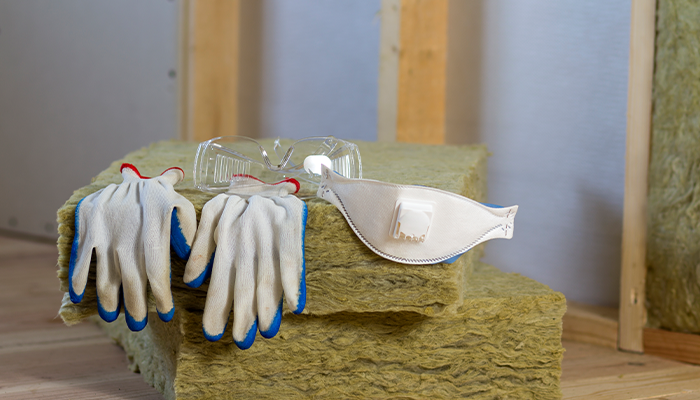
Personal protective equipment (PPE) such as gloves, safety glasses, and masks should be used when cutting or installing fiberglass materials.
Ensure proper ventilation
Working in well-ventilated areas helps reduce the concentration of airborne particles and improves overall safety.
Follow manufacturer guidelines
Each fiberglass product is designed with specific handling recommendations. Following these guidelines ensures both safety and optimal performance.
For more information on safe and reliable fiberglass solutions, you can refer directly to industry leaders such as https://www.stabilitamerica.com/, where product standards and applications are clearly defined.
Why does fiberglass remain a trusted material?
Despite common concerns, fiberglass continues to be widely used across industries because of its proven performance and safety when handled correctly.
Its resistance to corrosion, moisture, and chemicals makes it a long-lasting alternative to traditional materials like wood or metal. Additionally, its lightweight nature simplifies installation and reduces structural load.
These advantages, combined with proper handling practices, position fiberglass as a safe and efficient material in both industrial and commercial environments.
Separating myth from reality
The question “Is fiberglass dangerous?” often stems from misunderstanding rather than actual risk. While there are minor hazards associated with improper handling, these can be effectively managed through basic safety measures.
In real-world applications, fiberglass is a stable, durable, and safe material that continues to support modern construction and industrial innovation.
Frequently asked questions
Is fiberglass harmful after installation?
No, once installed, fiberglass is stable and does not pose health risks under normal conditions.
Can fiberglass cause long-term health problems?
There is no strong evidence linking properly handled fiberglass to serious long-term health issues. Most effects are temporary and related to exposure during installation.
How can I avoid irritation when working with fiberglass?
Using gloves, long sleeves, and masks, along with proper ventilation, can effectively prevent irritation.
Sources consulted:
- https://doh.wa.gov/community-and-environment/air-quality/indoor-air/fiberglass
- https://www.cdc.gov/niosh/fibrous-glass/about/index.html
- https://dustcontrol.com/news/the-dangers-of-fibreglass-dust-and-how-to-stay-safe/
Stabilit America Inc. is a leading North American manufacturer of fiberglass reinforced panels (FRP) and polycarbonate sheets, with over 65 years of experience. The company offers the widest range of acrylic, polyester, and polycarbonate laminates, backed by international certifications (USDA, Greenguard, FM, ISO 9001, among others), serving industries such as industrial construction, transportation, and sustainable building.
As construction and industrial design continue to evolve, the demand for materials that combine strength, durability, and efficiency has grown significantly. One solution that stands out is FRP pultruded profiles. These advanced composite components are widely used in structural applications where traditional materials like steel, aluminum, or wood may fall short.
For companies like Stabilit America, known among leading FRP suppliers, pultruded profiles represent a step beyond surface solutions such as FRP panels, offering structural performance, corrosion resistance, and long-term reliability.
This guide explains what FRP pultruded profiles are, how they are made, and why they are becoming essential in modern construction and industrial environments.
What are FRP pultruded profiles?
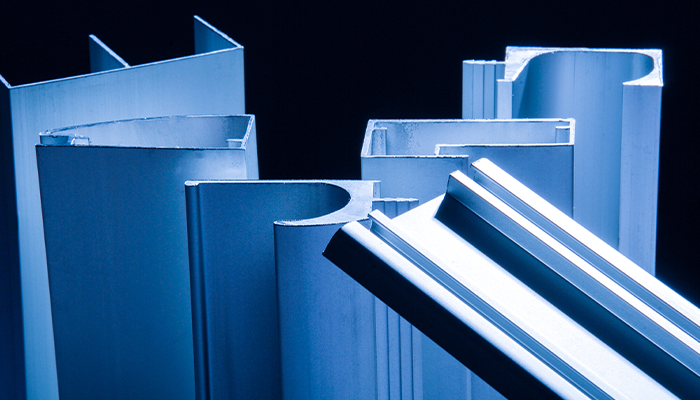
FRP pultruded profiles are structural shapes made from fiberglass-reinforced plastic (FRP) using a manufacturing process called pultrusion. This process involves pulling continuous strands of fiberglass through a resin bath and then through a heated die to create a specific shape.
The result is a strong, lightweight, and highly durable profile with consistent mechanical properties. These profiles can be manufactured in various shapes, including:
- Beams.
- Channels.
- Angles.
- Tubes.
- Grating supports.
Unlike traditional materials, FRP pultruded profiles are engineered for performance in environments where corrosion, moisture, or chemical exposure is a concern.
How the pultrusion process works
The pultrusion process is key to understanding why these profiles perform so well. It is a continuous manufacturing method that ensures uniform quality and structural consistency.
First, fiberglass reinforcements are saturated with a thermosetting resin, typically polyester, vinyl ester, or epoxy. These resin-soaked fibers are then pulled through a heated die, which shapes and cures the material simultaneously.
Because the fibers are aligned in the direction of the pull, FRP pultruded profiles achieve high tensile strength and excellent load-bearing capacity. This directional strength is one of the main reasons they are used in structural applications.
Key benefits of FRP pultruded profiles
High strength-to-weight ratio
One of the biggest advantages of FRP pultruded profiles is their strength relative to their weight. They are significantly lighter than steel or aluminum, yet they can support comparable loads in many applications. This makes them easier to transport, handle, and install.
Corrosion and chemical resistance
Unlike metal, FRP pultruded profiles do not rust or corrode. They are highly resistant to chemicals, moisture, and harsh environmental conditions. This makes them ideal for industries such as wastewater treatment, chemical processing, and marine applications.
Low maintenance
Because they do not corrode or degrade easily, FRP pultruded profiles require minimal maintenance over time. There is no need for painting, coating, or frequent repairs, which reduces long-term operational expenses.
Electrical and thermal insulation
FRP materials are non-conductive, making FRP pultruded profiles a safe option for environments where electrical insulation is required. They also have low thermal conductivity, which can be beneficial in temperature-sensitive applications.
Design flexibility
The pultrusion process allows manufacturers to create profiles in a wide range of shapes and sizes. This flexibility enables engineers and designers to select the exact profile required for their application without compromising performance.
Common applications of FRP pultruded profiles
Industrial structures
In industrial environments, FRP pultruded profiles are used for platforms, walkways, handrails, and support structures. Their resistance to corrosion and chemicals makes them especially valuable in harsh conditions.
Infrastructure and construction
These profiles are increasingly used in bridges, building frameworks, and reinforcement systems. Their lightweight nature reduces structural load, while their durability ensures long-term performance.
Marine and coastal applications
Saltwater environments are highly corrosive to traditional materials. FRP pultruded profiles provide an excellent alternative, offering long-lasting performance without the need for protective coatings.
Electrical and utility installations
Because they are non-conductive, FRP pultruded profiles are often used in electrical infrastructure, cable management systems, and utility structures where safety is critical.
FRP pultruded profiles vs. traditional materials
When compared to steel, aluminum, or wood, FRP pultruded profiles offer several clear advantages. Steel is strong but heavy and prone to corrosion. Aluminum is lighter but can still corrode and is often pricier. Wood is easy to work with but lacks durability in harsh environments.
In contrast, FRP pultruded profiles combine strength, lightweight properties, and resistance to environmental damage. This makes them a more reliable and cost-effective solution over time.
Why Stabilit America is a trusted partner
As one of the leading FRP suppliers, Stabilit America brings extensive expertise in composite materials, from surface solutions like FRP panels to advanced structural components such as pultruded profiles.
Their commitment to innovation, quality, and performance ensures that customers receive materials designed to meet the demands of modern construction and industrial applications.
The future of structural composites
FRP pultruded profiles are redefining what is possible in construction and industrial design. With their combination of strength, durability, and resistance to harsh environments, they offer a compelling alternative to traditional materials.
As industries continue to seek more efficient and long-lasting solutions, FRP pultruded profiles will play an increasingly important role in shaping the future of structural engineering.
Frequently asked questions
Can FRP pultruded profiles replace metal components completely?
In many applications, yes. While each project must be evaluated individually, FRP pultruded profiles often serve as effective alternatives to steel or aluminum, especially where corrosion resistance and weight reduction are priorities.
Do FRP pultruded profiles require protective coatings?
No, one of their advantages is that they do not require painting or protective coatings. Their resistance is built into the material itself, which reduces maintenance over the lifespan of the structure.
Are FRP pultruded profiles customizable for specific projects?
Yes, they can be manufactured in various shapes, sizes, and resin formulations. This allows engineers to tailor the profiles to meet specific structural and environmental requirements.
Sources consulted:
- https://www.creativecompositesgroup.com/what-is-frp
- https://pt.avient.com/resource-center/knowledge-base/article/pultruded-composites-design-and-material-engineers-guide
- https://incomepultrusion.com/what-is-pultruded-frp-composite/
Stabilit America Inc. is a leading North American manufacturer of fiberglass reinforced panels (FRP) and polycarbonate sheets, with over 65 years of experience. The company offers the widest range of acrylic, polyester, and polycarbonate laminates, backed by international certifications (USDA, Greenguard, FM, ISO 9001, among others), serving industries such as industrial construction, transportation, and sustainable building.
When it comes to modern construction, polymer wall panels are becoming a preferred choice due to their unique combination of lightweight design, durability, and chemical resistance.
As a leader in producing advanced composite materials, Stabilit America offers polymer wall panels that provide innovative solutions for a wide range of environments. These panels are perfect for applications where performance and resilience are paramount, from industrial settings to residential and commercial buildings.
This article explores the key benefits of polymer wall panels, and how they align with Stabilit America’s mission to deliver cutting-edge materials that meet the needs of modern construction.
What are polymer wall panels?
Polymer wall panels are made from advanced composite materials designed to provide superior performance in demanding environments. Unlike traditional materials like drywall or wood, polymer panels are engineered to resist chemicals, impact, and harsh environmental conditions. These panels are typically lightweight, making them easy to handle and install, while offering long-lasting durability.
The versatility of polymer wall panels makes them ideal for a wide range of applications, including industrial environments, clean rooms, commercial buildings, and residential spaces. The ability to customize these panels in terms of color, texture, and finish makes them an excellent choice for a variety of design needs.
Key benefits of polymer wall panels
Lightweight design
One of the main advantages of polymer wall panels is their lightweight design. Traditional materials like concrete, tile, or metal can be heavy and difficult to handle during installation, often requiring more labor and equipment. In contrast, polymer wall panels are much lighter, which helps reduce installation time and cost. This makes them a preferred choice for both new constructions and renovation projects.
Their light weight also makes these panels easier to transport and maneuver, allowing for faster project completion without compromising on performance or durability.
Chemical resistance
Polymer wall panels are highly resistant to a wide range of chemicals, including acids, alkalis, oils, and detergents. This makes them ideal for environments where exposure to harsh substances is common, such as chemical processing plants, laboratories, kitchens, and hospitals.
The ability to withstand chemicals ensures that polymer panels will not degrade, warp, or stain over time, even when exposed to harsh cleaning agents or corrosive materials. This resistance also reduces the need for frequent repairs or replacements, leading to long-term savings in maintenance costs.
Durability and impact resistance
In addition to their chemical resistance, polymer wall panels are also highly durable and impact-resistant. Whether it’s the constant wear and tear of a busy industrial space or the accidental bumps in a commercial kitchen, these panels are designed to withstand heavy use without losing their structural integrity.
Their resilience to impacts, scratches, and abrasions makes them a reliable choice for high-traffic environments, reducing the risk of damage and minimizing the need for repairs or replacements.
Easy maintenance and cleaning
One of the standout features of polymer wall panels is their easy maintenance and cleaning. The smooth surface of these panels prevents the buildup of dirt, grime, and bacteria, making them ideal for environments that require frequent cleaning, such as food processing areas, medical facilities, and workshops.
Unlike traditional materials, which can absorb stains or require regular painting and sealing, polymer panels only require periodic cleaning to maintain their appearance and functionality. This ease of maintenance makes them a cost-effective solution over the life of the building.
Common applications for polymer wall panels
Industrial environments
In industrial settings, polymer wall panels provide a durable and cost-effective solution for walls exposed to chemicals, moisture, and physical impact. These panels are commonly used in manufacturing plants, warehouses, and production areas, where their chemical resistance and easy cleaning properties are essential for maintaining a safe and efficient work environment.
Commercial buildings
Polymer wall panels are also ideal for commercial buildings, such as offices, retail spaces, and restaurants. Their lightweight nature makes them easy to install, while their sleek, modern appearance enhances the aesthetics of the building. The panels are also resistant to stains, making them perfect for high-traffic areas that require both functionality and visual appeal.
Residential spaces
In residential applications, polymer wall panels can be used in areas like kitchens, bathrooms, and basements, where moisture and chemicals are often present. The durability and ease of maintenance make them a great choice for homes that need low-maintenance, long-lasting wall solutions.
Clean rooms and healthcare facilities
Polymer wall panels are widely used in clean rooms and healthcare facilities, where hygiene and cleanliness are of utmost importance. The smooth, non-porous surface of these panels prevents the buildup of contaminants, making them easier to clean and maintain. Additionally, their resistance to bacteria and mold growth helps maintain a sterile environment.
Why choose Stabilit America for polymer wall panels?
As a trusted leader in FRP manufacturing, Stabilit America offers high-quality polymer wall panels that are designed to meet the rigorous demands of modern construction. Our panels are engineered to provide superior performance in challenging environments, offering a combination of lightweight design, chemical resistance, and durability.
Whether you are looking to install polymer panels in an industrial setting, commercial space, or residential project, Stabilit America has the right solution to meet your needs.
The advantages of polymer wall panels for modern construction
Polymer wall panels offer an innovative, durable, and cost-effective solution for a variety of construction applications. From industrial environments to residential spaces, these panels provide the performance and aesthetic flexibility needed for modern building projects.
With their lightweight design, chemical resistance, durability, and ease of maintenance, polymer wall panels from Stabilit America provide the ideal solution for spaces that require high-performance, long-lasting materials. Trust Stabilit America to deliver the best in advanced composite wall panel solutions.
Frequently asked questions
What makes polymer wall panels different from traditional wall systems?
Polymer wall panels are engineered composites designed to outperform materials like drywall, tile, or wood in high-demand environments. They offer greater resistance to moisture, chemicals, and impact, while requiring significantly less ongoing maintenance.
Are polymer wall panels suitable for environments with strict hygiene requirements?
Yes. Their smooth, non-porous surface helps prevent the absorption of moisture and contaminants, making them a reliable choice for environments where sanitation and surface cleanliness are critical.
How do polymer wall panels perform in high-traffic areas?
Polymer panels are highly resistant to dents, scratches, and surface damage. In areas where carts, equipment, or tools regularly come into contact with walls, they maintain their structural integrity and appearance better than conventional finishes.
Can polymer wall panels contribute to long-term cost savings?
Absolutely. While the initial investment may vary depending on the specification, polymer panels reduce maintenance, repainting, repairs, and downtime. Over time, this results in lower lifecycle costs compared to traditional wall materials.
Do polymer wall panels support modern architectural design?
Yes. Beyond performance, polymer panels are available in various finishes and textures, allowing architects and designers to achieve clean, contemporary interiors without sacrificing durability.
How do polymer panels respond to moisture-heavy environments?
Unlike materials that swell, rot, or deteriorate when exposed to humidity, polymer panels maintain their stability and structure even in consistently damp conditions.
Are polymer wall panels easy to retrofit into existing buildings?
In many cases, yes. Their lightweight composition makes them suitable for renovation projects, where minimizing structural load and installation time is important.
Sources consulted:
- https://www.buildingnews.net/top-understanding-composite-wall-panels-benefits-and-uses.html
- https://aluwedo.com/composite-panel-wall-materials-installation-applications-guide/
- https://brazilianlumberlosangeles.com/what-are-composite-wall-panels/
Stabilit America Inc. is a leading North American manufacturer of fiberglass reinforced panels (FRP) and polycarbonate sheets, with over 65 years of experience. The company offers the widest range of acrylic, polyester, and polycarbonate laminates, backed by international certifications (USDA, Greenguard, FM, ISO 9001, among others), serving industries such as industrial construction, transportation, and sustainable building.
When it comes to modern building materials, Sunlite polycarbonate panels stand out for their combination of durability, light diffusion, UV protection, and thermal insulation. These panels are an ideal solution for a variety of applications, including greenhouses, skylights, and architectural glazing.
As one of the leaders in providing polycarbonate panels, Stabilit America offers high-quality materials designed to meet the growing demand for energy-efficient and sustainable construction solutions.
This article explores the many benefits of Sunlite polycarbonate panels, highlighting how they can enhance the performance and aesthetics of a wide range of building projects while helping to lower energy consumption and improve indoor environments.
What are Sunlite polycarbonate panels?
Sunlite polycarbonate panels are multi-wall panels made from high-performance polycarbonate plastic. Known for their strength and versatility, these panels feature multiple layers (hence “multi-wall”) that provide superior thermal insulation while allowing natural light to pass through. They are often used in applications where both light transmission and energy efficiency are important, such as greenhouses, skylights, and other architectural glazing systems.
The structure of Sunlite polycarbonate panels makes them lightweight and easy to handle, while still providing excellent protection against UV rays, making them a preferred choice for both commercial and residential projects.
Key benefits of Sunlite polycarbonate panels
Excellent light diffusion
One of the standout features of Sunlite polycarbonate panels is their ability to diffuse light evenly. Unlike traditional glass or single-wall polycarbonate panels, Sunlite panels create a soft, uniform light that reduces harsh glare while maintaining bright indoor spaces. This makes them perfect for applications like skylights, where natural light is desired, but glare can be a concern.
The enhanced light diffusion also improves the overall aesthetics of any space, providing a more comfortable and visually appealing environment.
UV protection
Sunlite polycarbonate panels are equipped with built-in UV protection, which helps to protect both the panels themselves and the interior spaces from harmful UV rays. This UV resistance ensures that the panels retain their clarity and performance over time, without yellowing or degrading under prolonged exposure to the sun.
The UV protection offered by Sunlite panels is also crucial in applications like greenhouses, where excessive UV exposure can damage plants and hinder growth. By using these panels, you can maintain a stable environment for optimal plant health.
Thermal insulation
The multi-wall structure of Sunlite polycarbonate panels provides excellent thermal insulation, helping to regulate temperatures and reduce energy consumption. The panels are designed to keep heat inside during the winter and block it out during the summer, making them ideal for buildings that require consistent temperature control.
This thermal efficiency can help lower heating and cooling costs, making Sunlite polycarbonate panels a smart choice for both residential and commercial applications. Whether used in greenhouses, atriums, or office buildings, these panels contribute to better energy efficiency and comfort.
Lightweight and easy to handle
Despite their impressive strength and performance, Sunlite polycarbonate panels are lightweight and easy to handle, which makes them easier and faster to install than traditional glass. This reduces labor costs and minimizes installation time, making the construction process more efficient and cost-effective.
The lightweight nature of these panels also allows them to be used in a wide range of applications, including large-scale architectural projects that require both durability and flexibility.
Common applications for Sunlite polycarbonate panels
Greenhouses
Sunlite polycarbonate panels are an ideal choice for greenhouse applications, where controlling light and temperature is essential for plant growth. These panels allow natural sunlight to enter while maintaining a stable temperature and protecting plants from harmful UV rays. By using Sunlite panels in greenhouses, you can create an environment that supports healthy plant development while also saving on energy costs.
Skylights and rooflights
Sunlite polycarbonate panels are commonly used for skylights and rooflights in both residential and commercial buildings. Their ability to diffuse light evenly without causing glare makes them perfect for spaces that require abundant natural light, such as offices, retail stores, and residential homes. The thermal insulation properties of Sunlite panels also help maintain the building’s temperature, reducing energy consumption.
Architectural glazing
Sunlite polycarbonate panels are increasingly being used in architectural glazing, offering a modern alternative to traditional glass. These panels create sleek, contemporary facades while providing excellent insulation and UV protection. They can be used in a variety of architectural designs, from public buildings and schools to private homes and retail spaces.
Outdoor structures
For outdoor applications such as canopies, pergolas, and walkways, Sunlite polycarbonate panels provide protection from the elements while allowing natural light to filter through. The lightweight nature of the panels makes them easy to install, and their UV protection ensures they will last for years without yellowing or degrading.
Why choose Stabilit America for Sunlite polycarbonate panels?
As a leading provider of polycarbonate panels, Stabilit America offers high-quality Sunlite polycarbonate panels that are designed to meet the diverse needs of modern construction projects. With a focus on energy efficiency, durability, and sustainability, Stabilit America delivers solutions that enhance both the performance and aesthetics of any building.
Whether you are looking for panels for a greenhouse, skylight, or architectural glazing, Stabilit America’sSunlite polycarbonate panels provide the perfect combination of light transmission, UV protection, and thermal insulation.
The future of sustainable construction with Sunlite polycarbonate panels
Sunlite polycarbonate panels offer a durable, energy-efficient solution for a wide range of building applications. From greenhouses and skylights to architectural facades and outdoor structures, these panels provide superior performance in both residential and commercial environments.
With their ability to diffuse light, provide UV protection, and offer thermal insulation, Sunlite polycarbonate panels are the ideal choice for modern construction projects that require both functionality and aesthetic appeal. Choose Stabilit America for all your polycarbonate panel needs and experience the benefits of cutting-edge building materials.
Frequently asked questions
What makes Sunlite polycarbonate panels different from other polycarbonate panels?
Sunlite polycarbonate panels stand out due to their multi-wall design, which provides superior thermal insulation while allowing light to diffuse evenly. Unlike single-wall panels, Sunlite panels offer better energy efficiency and UV protection, making them ideal for applications like greenhouses, skylights, and facades.
How do Sunlite polycarbonate panels help with energy efficiency?
The multi-wall structure of Sunlite polycarbonate panels provides excellent insulation, reducing heat loss in colder months and blocking excess heat in warmer months. This helps to maintain a stable indoor temperature, reducing energy consumption for heating and cooling, and making them ideal for energy-efficient building designs.
Can Sunlite polycarbonate panels be used for both residential and commercial applications?
Yes, the panels are versatile and suitable for both residential and commercial applications. They are commonly used in greenhouses, skylights, architectural glazing, and outdoor structures, making them a great choice for various building projects.
Are Sunlite polycarbonate panels resistant to UV radiation?
Yes, Sunlite polycarbonate panels feature built-in UV protection, which helps to block harmful UV rays from entering the building. This protection not only keeps the interior of the building safe from UV damage but also ensures that the panels themselves remain clear and durable, preventing yellowing and degradation over time.
What are the benefits of using Sunlite polycarbonate panels in greenhouses?
Sunlite polycarbonate panels are an excellent choice for greenhouses because they allow for optimal light diffusion while providing insulation and UV protection. This helps to create an ideal environment for plant growth by maintaining a stable temperature and protecting plants from harmful UV rays, ensuring healthy development throughout the growing season.
How long do Sunlite polycarbonate panels last?
Sunlite polycarbonate panels are designed for long-lasting performance, with a lifespan of up to 20-30 years, depending on the application and environmental conditions. Their UV-resistant properties ensure they maintain their clarity and performance over time, making them a durable and cost-effective option for building projects.
Are Sunlite polycarbonate panels easy to install?
Yes, Sunlite polycarbonate panels are lightweight and easy to handle, which simplifies the installation process. These panels can be installed quickly, reducing labor costs and project timelines. They are compatible with standard mounting systems, and their durability ensures that the panels will remain secure and perform well throughout their lifetime.
Sources consulted:
- https://www.archdaily.com/986992/architectural-polycarbonate-systems-transforming-daylight-into-a-powerful-tool
- http://palram.com/us/product/sunlite/
- https://www.sunkaer.com/application/polycarbonate-translucent-sheet
Stabilit America Inc. is a leading North American manufacturer of fiberglass reinforced panels (FRP) and polycarbonate sheets, with over 65 years of experience. The company offers the widest range of acrylic, polyester, and polycarbonate laminates, backed by international certifications (USDA, Greenguard, FM, ISO 9001, among others), serving industries such as industrial construction, transportation, and sustainable building.
When it comes to construction and interior design, wall coverings play a significant role in both aesthetics and functionality. Fiberglass-reinforced plastic (FRP) wall coverings are increasingly popular in industries that require durable, moisture-resistant, and easy-to-maintain surfaces.
Whether it’s for a hospital, laboratory, commercial kitchen, or industrial facility, FRP wall coverings offer a practical and efficient solution to meet the specific needs of these environments.
For Stabilit America, providing FRP wall coverings aligns with the company’s commitment to offering high-performance, versatile materials designed to withstand the most demanding conditions. This article explores the many benefits and applications, showcasing how they can improve the quality and longevity of wall systems in various industries.
What are FRP wall coverings?
FRP wall coverings are high-strength, low-maintenance panels made from fiberglass reinforced plastic. These panels are designed to be installed on interior walls to provide a durable, moisture-resistant surface. Available in various sizes, textures, and colors, offer versatility to fit any design or function.
One of the key benefits of FRP wall coverings is their ability to resist damage from water, chemicals, and physical impacts. This makes them ideal for environments that require easy-to-clean, long-lasting surfaces that can withstand frequent use and harsh conditions.
Key benefits of FRP wall coverings
Superior durability
FRP wall coverings are known for their exceptional durability. The fiberglass reinforced plastic construction provides resistance to cracking, warping, and general wear and tear. This makes FRP panels ideal for high-traffic areas, including hospitals, laboratories, and industrial kitchens, where walls are subjected to frequent impacts and heavy cleaning.
Moisture and mold resistance
One of the standout features of FRP wall coverings is their resistance to moisture and mold growth. Unlike traditional materials like drywall or wood, FRP panels do not absorb water, preventing issues such as swelling, mold, or mildew. This is particularly important in environments like kitchens and medical facilities, where maintaining a hygienic, dry environment is critical.
Easy to maintain and clean
In environments where cleanliness and hygiene are paramount, such as hospitals, laboratories, and commercial kitchens, FRP wall coverings provide a smooth, non-porous surface that is easy to clean. Spills, stains, and other contaminants can be wiped off with minimal effort, ensuring a consistently clean and safe environment.
Unlike traditional wall materials, FRP panels do not require extensive maintenance or frequent painting, which helps save time and money in the long run.
Common applications for FRP wall coverings
Hospitals and healthcare facilities
In hospitals and healthcare settings, hygiene is of utmost importance. FRP wall coverings offer the perfect solution by creating walls that are resistant to water, chemicals, and bacteria. Their easy-to-clean surface makes them ideal for operating rooms, patient rooms, and corridors, ensuring that healthcare facilities maintain high standards of cleanliness and safety.
Laboratories and clean rooms
FRP wall coverings are commonly used in laboratories and clean rooms where contamination and cleanliness are a concern. The smooth, non-porous surface helps to prevent the buildup of dirt and bacteria, and the panels can be easily wiped down to meet the rigorous cleaning standards required in these environments.
Commercial kitchens
In commercial kitchens, where walls are regularly exposed to grease, water, and harsh cleaning agents, FRP wall coverings are a reliable and long-lasting option. They are resistant to the corrosive effects of oils, fats, and other kitchen chemicals, providing a durable and easy-to-clean surface that helps maintain a sanitary environment.
Industrial facilities
In industrial settings, walls are often exposed to harsh chemicals, heavy equipment, and constant physical wear. FRP panels are designed to handle these demanding conditions. Their impact resistance, moisture protection, and ease of maintenance make them an ideal choice for factories, warehouses, and production areas where durability and low maintenance are crucial.
Why choose FRP wall coverings from Stabilit America?
As one of the leading FRP manufacturers, Stabilit America offers high-quality FRP wall coverings designed to meet the needs of various industries. With years of experience in the production of fiberglass reinforced plastic products, Stabilit is committed to delivering solutions that provide superior durability, ease of maintenance, and performance.
Whether you’re outfitting a healthcare facility, commercial kitchen, or industrial space, Stabilit America provides FRP wall coverings that are built to withstand the test of time and deliver long-lasting protection for your walls.
The benefits of FRP wall coverings
FRP wall coverings are an essential solution for industries that require durability, hygiene, and ease of maintenance. From hospitals and laboratories to commercial kitchens and industrial facilities, FRP panels offer unparalleled performance in challenging environments.
With Stabilit America’s range of high-quality FRP wall coverings, you can trust that your space will remain clean, safe, and durable for years to come. Whether you’re looking to install new wall coverings or replace outdated materials, FRP panels provide the best combination of performance, longevity, and cost-effectiveness.
Frequently asked questions
What are FRP wall coverings made of?
FRP wall coverings are made from fiberglass-reinforced plastic. This material combines fiberglass strands with a plastic resin, providing a durable, moisture-resistant, and easy-to-clean surface ideal for high-humidity environments.
Where are FRP wall coverings commonly used?
FRP wall coverings are commonly used in environments that require durability and hygiene, such as hospitals, laboratories, commercial kitchens, food processing plants, and industrial facilities. They are ideal for high-traffic, moisture-prone areas.
How do FRP wall coverings compare to traditional materials like drywall or tile?
Unlike drywall, which can absorb moisture and lead to mold, FRP wall coverings are completely water-resistant. They are more durable than tile, which can crack or require grout maintenance, and they are easier to clean, providing a seamless, low-maintenance surface.
Are FRP wall coverings easy to install?
Yes, FRP wall coverings are easy to install, often requiring less labor time than traditional materials. The panels are lightweight and can be quickly fixed to the wall using adhesives or screws, minimizing installation costs and downtime.
Do FRP wall coverings require special maintenance?
No, FRP wall coverings are very low maintenance. They do not require sealing, painting, or special treatments. Regular cleaning with a mild detergent or disinfectant is typically all that’s needed to keep them looking new and functioning properly.
Are FRP wall coverings resistant to chemicals?
Yes, FRP wall coverings are highly resistant to a wide range of chemicals, including acids, alkalis, oils, and detergents. This makes them ideal for environments like industrial plants, laboratories, and commercial kitchens, where exposure to harsh chemicals is common.
Why should I choose Stabilit America for FRP wall coverings?
Stabilit America offers high-quality FRP wall coverings designed for superior durability, moisture resistance, and ease of maintenance. With years of expertise and a range of customizable options, Stabilit America is a trusted choice for industries that require high-performance materials.
Sources consulted:
- https://www.oceanfrp.com/frp-walls-guide-to-durability-design-applications/
- https://speculativechic.com/frp-wall-board/
- https://incomepultrusion.com/product/commercial-frp-wall-panels/
Stabilit America Inc. is a leading North American manufacturer of fiberglass reinforced panels (FRP) and polycarbonate sheets, with over 65 years of experience. The company offers the widest range of acrylic, polyester, and polycarbonate laminates, backed by international certifications (USDA, Greenguard, FM, ISO 9001, among others), serving industries such as industrial construction, transportation, and sustainable building.
In today’s fast-paced construction industry, time is money. With the growing demand for quicker build times and reduced labor costs, pre-made wall panels are becoming a go-to solution for many commercial, industrial, and residential projects. These pre-assembled panels, which include options like FRP (Fiberglass Reinforced Plastic) panels and polycarbonate panels, are designed to streamline the construction process, ensuring faster project timelines without sacrificing quality.
This article explores the advantages of pre-made wall panels, highlighting how they contribute to improved efficiency, reduced costs, and consistent performance across various construction projects.
What are pre-made wall panels?
Pre-made wall panels are manufactured off-site and are ready to be installed as complete units when delivered to the construction site. Made from various materials such as FRP or polycarbonate, these panels are designed to fit standard wall sizes and specifications. They are typically available in large sheets or segments that can be quickly connected and secured, significantly reducing the need for on-site fabrication or assembly.
The versatility of pre-made wall panels allows them to be used for a wide range of applications, including:
- Exterior wall cladding.
- Interior partitions.
- Roofing solutions.
- Facades.
- Industrial and commercial buildings.
Key benefits of pre-made wall panels
Faster construction timelines
One of the most significant advantages of pre-made wall panels is the reduction in overall construction time. Since the panels are fabricated off-site, construction crews can focus on other aspects of the project, such as foundation work and utilities, while the panels are being produced. Once the panels arrive at the site, installation is quick and straightforward, allowing for faster project completion compared to traditional methods of building walls.
Reduced labor costs
Pre-fabrication of FRP wall panels and other materials allows for a more efficient use of labor on-site. With pre-made wall panels, there’s no need for extensive on-site assembly or finishing work, which translates into reduced labor hours and fewer specialized skills required. Contractors and builders can save both time and money by opting for pre-assembled materials.
Consistent quality
Pre-made wall panels are manufactured in a controlled factory environment, ensuring consistent quality and precise dimensions. Unlike materials that are cut and assembled on-site, which can vary due to human error or weather conditions, pre-fabricated panels are created with high standards of quality control. This consistency leads to fewer errors, fewer revisions, and a finished product that meets the required specifications every time.
Durability and strength
Materials like FRP wall panels and polycarbonate panels are known for their exceptional strength and resistance to environmental stresses. FRP panels are particularly well-suited for areas that experience high moisture or chemical exposure, making them ideal for bathrooms, kitchens, and industrial applications. On the other hand, polycarbonate panels offer great impact resistance, UV protection, and light diffusion, making them suitable for both structural and aesthetic purposes.
Aesthetic flexibility
Pre-made wall panels come in various finishes, colors, and textures, allowing architects and designers to select the ideal material that complements the overall design vision of the building. Whether you’re looking for sleek, modern aesthetics or a more industrial look, pre-made panels can be customized to meet the specific aesthetic needs of your project.
Common applications for pre-made wall panels
Commercial and industrial buildings
Pre-made wall panels are widely used in commercial and industrial sectors due to their efficiency and performance. They are commonly employed in:
- Warehouses.
- Factories.
- Retail spaces.
- Office buildings
For these types of projects, time and cost savings are critical, and the ability to install walls quickly with consistent quality makes pre-made panels a preferred choice.
Residential homes
In residential construction, pre-made panels are used for both interior and exterior walls, especially in areas where moisture resistance is important. For example, FRP wall panels are commonly used in bathrooms, laundry rooms, and basements due to their resistance to moisture and ease of maintenance.
Facades and exterior cladding
Polycarbonate panels are frequently used for building facades, providing both structural support and aesthetic value. The lightweight nature of polycarbonate panels, combined with their ability to transmit natural light, makes them ideal for applications where both durability and design are key priorities.
Why Stabilit America is a leading provider of pre-made wall panels
Stabilit America has been at the forefront of providing high-quality, pre-made wall panels for various industries. As one of the leading FRP manufacturers, Stabilit delivers top-tier products that align with the growing demand for efficient, cost-effective building materials. Their pre-made FRP panels and polycarbonate panels offer unmatched durability, quick installation, and design flexibility, making them a trusted choice for projects of all sizes.
Pre-made wall panels for the modern construction industry
Pre-made wall panels represent the future of construction, offering an efficient, cost-effective, and high-quality solution for various building projects. Whether you’re working on a commercial property, industrial facility, or residential home, opting for pre-made panels ensures faster installation, reduced labor costs, and consistent quality across the board.
For those looking to streamline their construction process without sacrificing performance or design, Stabilit America’spre-made wall panels are the ideal solution, providing innovation, durability, and ease of use for the most demanding projects.
Frequently asked questions
What makes pre-made wall panels more efficient than traditional wall construction methods?
Pre-made wall panels are manufactured off-site in controlled environments, ensuring consistent quality. They arrive ready to install, reducing on-site labor time and errors. This efficiency speeds up construction timelines and minimizes costs compared to traditional methods.
Can pre-made wall panels be customized to fit specific project requirements?
Yes, pre-made panels can be customized in terms of size, texture, finish, and even performance specifications, making them ideal for both residential and commercial applications. This customization ensures that the panels meet the unique needs of each project.
What materials are commonly used for pre-made wall panels?
Pre-made wall panels are typically made from FRP (Fiberglass Reinforced Plastic), polycarbonate, and other composite materials, all of which offer superior durability, moisture resistance, and ease of maintenance.
How do pre-made wall panels contribute to cost savings in construction projects?
By reducing installation time, the need for skilled labor, and material waste, pre-made wall panels help cut costs significantly. Their consistent quality also reduces the likelihood of costly errors or rework, resulting in overall cost savings for the entire project.
Are pre-made wall panels suitable for both interior and exterior use?
Yes, pre-made wall panels are versatile and can be used in both interior and exterior applications. Depending on the material chosen, panels can be ideal for facades, partitions, shower rooms, and more.
How do pre-made wall panels perform in terms of insulation and energy efficiency?
Many pre-made wall panels, particularly those made from FRP and polycarbonate, provide excellent thermal insulation, helping to reduce heating and cooling costs. Some panels are designed with additional insulating layers to enhance energy efficiency in buildings.
Can pre-made wall panels be used in high-moisture areas like bathrooms or kitchens?
Yes, FRP panels are particularly well-suited for high-moisture environments such as bathrooms and kitchens. Their non-porous surface prevents mold and mildew growth, making them an ideal choice for spaces that require constant cleaning and hygiene.
How easy is it to install pre-made wall panels?
The installation process for pre-made wall panels is straightforward and faster compared to traditional wall systems. Since the panels arrive prefabricated and ready for installation, contractors can save time by simply connecting the panels without needing additional cutting or on-site adjustments.
Sources consulted:
- https://www.gqcolorsteel.com/blog/what-are-the-advantages-of-using-prefabricated-exterior-wall-panels
- https://es.wiskindsteelstructure.com/blog/prefab-insulated-wall-panels-and-the-rise-of-modular-construction_b141
- https://www.bricknbolt.com/blogs-and-articles/construction-guide/prefabricated-wall-panels
Stabilit America Inc. is a leading North American manufacturer of fiberglass reinforced panels (FRP) and polycarbonate sheets, with over 65 years of experience. The company offers the widest range of acrylic, polyester, and polycarbonate laminates, backed by international certifications (USDA, Greenguard, FM, ISO 9001, among others), serving industries such as industrial construction, transportation, and sustainable building.