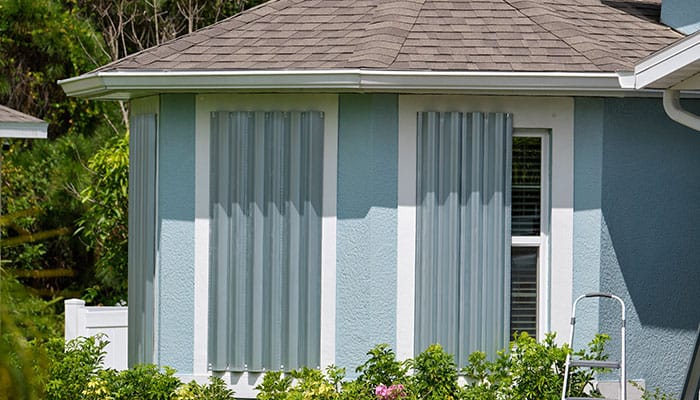
In hurricane-prone regions, protecting buildings from extreme weather is not optional. Storm winds, flying debris, and pressure changes can cause serious damage in a matter of minutes. Clear hurricane shutters have emerged as a modern solution that combines impact resistance with transparency, offering protection without sacrificing natural light or visibility.
Unlike traditional metal shutters, clear shutters allow buildings to remain bright and usable before, during, and after a storm. This article explains how clear hurricane shutters work, where they are used, and why advanced materials make a difference.
What are clear hurricane shutters?
Clear hurricane shutters are protective systems typically made from high-impact polycarbonate. They are installed over windows, doors, and openings to shield structures from windborne debris during hurricanes and severe storms.
Their defining feature is transparency. While traditional shutters block light and visibility, clear shutters maintain daylight and allow occupants to see outside even when the system is deployed.
Why clear hurricane shutters are gaining popularity
Impact resistance and safety
Clear hurricane shutters are designed to withstand high-velocity impacts from debris carried by hurricane-force winds. Polycarbonate materials are known for their toughness and flexibility, allowing them to absorb energy without shattering.
This level of performance helps protect glass openings and maintain the integrity of the building envelope.
Natural light and visibility
One of the main advantages of clear shutters is that they do not darken interior spaces. Homes and facilities remain well-lit, which improves comfort and safety during extended storm events.
Visibility to the outside can also be critical for situational awareness during and after a hurricane.
Corrosion resistance
Unlike metal shutters, clear polycarbonate systems do not rust or corrode. This makes them especially suitable for coastal environments where salt air accelerates material degradation.
Common applications for clear hurricane shutters
Clear hurricane shutters are used across residential, commercial, and institutional projects, including:
- Coastal homes and condominiums.
- Hotels and beachfront properties.
- Hospitals and emergency facilities.
- Retail storefronts.
- Office buildings and public spaces.
In many of these applications, maintaining visibility and aesthetics is just as important as storm protection.
Clear hurricane shutters vs. traditional metal shutters
When comparing shutter systems, the differences are significant.
Metal shutters
- Block natural light.
- Can corrode in coastal environments.
- Create a closed, industrial appearance.
- Often require repainting or refinishing.
Clear hurricane shutters
- Allow daylight and visibility.
- Resist corrosion and weathering.
- Maintain the building’s appearance.
- Require minimal maintenance.
For property owners who want protection without compromising comfort or design, clear shutters offer a clear advantage.
The role of advanced materials in storm protection
Material choice is critical for hurricane protection systems. Polycarbonate stands out due to its combination of strength, clarity, and durability.
In broader building systems, impact-resistant materials are often used alongside other protective components such as FRP panels for structures, which provide durable wall and cladding solutions in harsh environments.
Together, these materials help create building envelopes designed to withstand extreme conditions while maintaining long-term performance.
Installation and performance considerations
To perform effectively, clear hurricane shutters must be properly specified and installed. Key considerations include:
- Panel thickness and impact rating.
- Mounting systems and fasteners.
- Compliance with local building codes.
- Integration with window and door systems.
Working with experienced manufacturers and suppliers helps ensure shutters meet required standards and perform as expected during severe weather events.
Why material quality matters
Not all clear hurricane shutters offer the same level of protection. Performance depends on the quality of the polycarbonate, manufacturing consistency, and system design.
High-quality systems are engineered to maintain clarity over time while resisting UV exposure, impacts, and environmental stress. Lower-quality materials may yellow, crack, or lose strength prematurely.
Why Stabilit America is a trusted partner
Stabilit America specializes in engineered panel solutions designed for demanding environments. Their expertise in polycarbonate and composite materials supports applications where strength, durability, and clarity are essential.
By focusing on high-performance materials and consistent manufacturing standards, Stabilit America provides solutions that support storm protection, structural resilience, and long-term reliability.
Their experience across architectural, industrial, and protective applications positions them as a reliable partner for projects in hurricane-prone regions.
Clear protection for severe weather
Clear hurricane shutters offer a modern approach to storm protection. They combine impact resistance with transparency, helping buildings stay protected without sacrificing light, visibility, or aesthetics.
When paired with durable building materials such as FRP panels for structures and sourced from experienced manufacturers like Stabilit America, clear hurricane shutters become part of a comprehensive strategy for resilient, storm-ready construction.
Frequently asked questions
Are clear hurricane shutters strong enough for severe storms?
Yes. Clear hurricane shutters made from high-impact polycarbonate are engineered to withstand windborne debris during severe storms. Their flexibility allows them to absorb impact energy without shattering like glass.
Do clear hurricane shutters meet building code requirements?
Many clear shutter systems are designed to meet local and regional building codes in hurricane-prone areas. Code compliance depends on panel thickness, mounting systems, and installation methods, so it’s important to verify specifications for each project.
Will clear hurricane shutters reduce interior heat or glare?
Clear shutters allow natural light to enter, but high-quality polycarbonate panels are often treated to manage UV exposure. This helps protect interiors while maintaining visibility and comfort.
Are clear hurricane shutters suitable for commercial buildings?
Yes. Clear hurricane shutters are widely used in hotels, hospitals, retail storefronts, and office buildings where visibility, safety, and aesthetics are important during storm events.
How do clear hurricane shutters perform in coastal environments?
Polycarbonate shutters perform well in coastal conditions because they resist corrosion and salt air exposure. Unlike metal systems, they do not rust or require frequent refinishing.
Why does material selection matter for hurricane protection systems?
Material quality directly affects impact resistance, clarity over time, and durability. Working with experienced manufacturers like Stabilit America helps ensure reliable performance in demanding weather conditions.
Sources consulted:
- https://www.stabilitamerica.com/blog/polycarbonate-hurricane-panels/
- https://hurricaneshutterco.com/comparing-hurricane-shutter-materials-which-one-is-best-for-your-home/
- https://www.sandiegolivin.com/storm-shutters-that-let-you-see-the-hurricane-coming

Stabilit America Inc. is a leading North American manufacturer of fiberglass reinforced panels (FRP) and polycarbonate sheets, with over 65 years of experience. The company offers the widest range of acrylic, polyester, and polycarbonate laminates, backed by international certifications (USDA, Greenguard, FM, ISO 9001, among others), serving industries such as industrial construction, transportation, and sustainable building.
The COVID-19 pandemic has heightened the need for sanitary environments across all industries. As the concern for hygiene has grown, both workers and customers are increasingly demanding cleaner, more hygienic spaces—especially in high-traffic areas. In response, industrial designers are opting for protective and sanitary solutions like hygienic wall cladding.
Hygienic wall panels, also known as antimicrobial surfaces, have gained popularity for their ability to combat bacteria, mold, and viruses, making them an excellent choice for spaces that require high sanitation standards. These panels not only help reduce the spread of germs but also resist stains and high-impact damages. They can be installed easily and quickly, ensuring your space remains clean and safe.
Let’s explore the science behind antimicrobial wall cladding and how it can improve your environment.
How Do Hygienic Panels Work?
Bacteria, mold, fungi, and viruses are often transmitted through contact with contaminated surfaces or via airborne particles. Hygienic wall cladding works by preventing the growth of these microorganisms, providing a protective barrier. Once installed, these antimicrobial surfaces begin to act immediately—if a sick person touches the wall, the antimicrobial agents begin working against bacteria and viruses right away, continuously reducing microbial growth over time.
These panels provide continuous protection against bacterial spread, keeping environments sterile for longer periods. However, hygienic panels don’t replace regular cleaning routines, but rather complement them. When combined with daily cleaning practices, they enhance the overall sanitation of the space.
A prime example of an environment that would benefit from hygienic wall cladding is schools. In busy school corridors, where students touch walls frequently, the antimicrobial properties of the panels prevent the spread of germs. If a sick student touches the wall after coughing or sneezing, the panel works to stop bacteria from contaminating the area.
Schools are an excellent example of an environment that would benefit from hygienic panels. You could place them along school corridors to reduce the spread of bacteria to students and employees. If a student coughs or sneezes into their palm, then places their hand on the antimicrobial surface, the wall would immediately prevent the bacteria from spreading. Without the hygienic wall cladding, one sick student could facilitate bacterial spread throughout the school.
However, hygienic panels don’t eliminate the need for other cleaning measures. You use them in combination with regular cleaning practices to create an enhanced sanitary environment.
Hygienic panels usually consist of fiberglass-reinforced plastic. FRP panels are popular in many industries because of their lightweight consistency and easy maintenance. They consist of a plastic matrix reinforced with Fiberglass polymers, which creates a resilient surface. You can combine hygienic FRP panels to make a thoroughly sanitized area.
Overall, hygienic wall claddings can help you create a safe environment in any industry.
Why Choose Antimicrobial Surfaces?
Benefits of Hygienic FRP Panels
Choosing antimicrobial materials for your environment offers multiple advantages. Here are some reasons why hygienic wall cladding, especially fiberglass-reinforced plastic (FRP) panels, are a great choice for your space:
- Easy installation: You can install hygienic FRP panels directly over existing walls, allowing for a simple installation. If you want to add antimicrobial panels to an existing area, you can measure it, then install a panel of the same size. If you’re starting a new project, you can add hygienic wall claddings after the initial construction. Either way, the installation is simple and hassle-free.
- Affordability: Hygienic wall claddings are also a cost-effective choice. Instead of paying costly replacement expenses, you can install the panels directly over existing surfaces. The antimicrobial materials can protect your surfaces for longer periods than typical tiles, saving you money in the long term.
- Sanitary protection: The many sanitary benefits of antimicrobial surfaces make them worthwhile for all types of industries. The reduction of bacteria, viruses and mold growth keeps your workplace safe. Employees and visitors can feel protected and satisfied. The panels’ lack of porous material allows them to protect against bacterial growth for longer periods. Overall, you can maintain cleanliness with low effort.
- Durability: Hygienic FRP panels can outlast typical wall panels. They are highly resistant to impacts and don’t crack easily. Their smooth surfaces prevent bacteria and other growth from building in seams. While they still require regular cleaning, you can wipe them easily and extend their life span even further.
Overall, hygienic wall panels are a cost-effective and durable choice for any environment.
Who Needs Antimicrobial Surfaces?
Hygienic wall claddings are an advantage in many industries. The panels can keep work environments cleaner, creating a more positive experience for employees and visitors.
These are examples of environments that would benefit from hygienic wall panels.
- Hospitals and medical facilities: Health care is a prominent example of an industry with high sanitation requirements. It’s crucial to provide patients with high-quality care and keep employees safe. Health care facilities can apply antimicrobial surfaces in many areas, from surgical suites to hospital rooms and corridors. The panels make it easier to maintain a sanitized environment for patients and staff alike.
- Food and beverage industry: The food industry also needs to meet high sanitation standards. Food preparation areas are susceptible to moisture and staining. Spills and moisture buildup can encourage bacterial growth, degrading the environment. Hygienic wall claddings can reinforce the area, improving stain resistance and creating a cleaner environment. You can install antimicrobial FRP panels in food preparation areas, food plants, sorting halls or storage rooms.
- Transportation: With over 30 million uses each weekday in America, public transportation has one of the highest traffic rates of any industry. From subway cars to bus stations, it’s crucial to maintain a safe environment for the many users around the country. Hygienic FRP panels can reduce the buildup of bacteria and microbes on walls and other high-touch areas. You can easily install them over existing walls in vehicles and transportation stations.
- Schools: Schools would also benefit from antimicrobial wall panels. They can reduce the spread of viruses and bacteria to the many students and employees in the building. With protection against bacteria growth and easier maintenance, the panels make it easier to maintain a clean environment for everyone.
Contact Stabilit America Today
Hygienic wall panels can help you create a safe environment. If you want to install a hygienic FRP panel, look no further than Stabilit America. Our inner wall and ceiling cladding can help you meet your high sanitation needs. And with our guaranteed simple installation, you can get started anytime. Whether you’re constructing new infrastructure or replacing a wall, our panels can be an ideal solution.
Our hygienic wall panels are perfect for many industries, including agriculture, health care, transportation and OEM. To get started with our hygienic inner walls, contact us today.
FAQs
What is hygienic cladding?
Hygienic cladding refers to wall coverings that have antimicrobial properties to prevent the growth of bacteria, mold, and viruses. These surfaces are often made of fiberglass-reinforced plastic (FRP) and are designed to be easy to clean and maintain.
What thickness should hygienic wall cladding be?
The thickness of hygienic wall cladding can vary depending on the application. Generally, a thickness between 1/8 inch to 1/4 inch is ideal for most environments, as it provides durability and impact resistance while maintaining ease of installation.
What is the best type of wall cladding?
The best type of wall cladding depends on the specific needs of the environment. For high-traffic and high-hygiene areas, fiberglass-reinforced plastic (FRP) cladding is one of the best choices due to its durability, antimicrobial properties, and ease of maintenance.
Stabilit America Inc. is a leading North American manufacturer of fiberglass reinforced panels (FRP) and polycarbonate sheets, with over 65 years of experience. The company offers the widest range of acrylic, polyester, and polycarbonate laminates, backed by international certifications (USDA, Greenguard, FM, ISO 9001, among others), serving industries such as industrial construction, transportation, and sustainable building.
When managing an agricultural operation, maintaining the right balance of natural light and environmental control is critical to a successful output. Light transmitting panels are a specialized type of roofing and cladding material that allows natural light into your structures while offering durability, weather resistance, and ease of installation. Unlike traditional materials, they are designed to increase productivity by improving light diffusion and thermal efficiency. This reduces the need for artificial lighting in your buildings.
Agricultural facilities such as greenhouses, livestock enclosures, and storage warehouses need materials that can withstand harsh conditions. Light transmitting panels offer an effective way to create well-lit and controlled space without compromising structural integrity. At Stabilit America, we provide products made from either polycarbonate, FRP, or polyester-based composites. Each offers distinct advantages based on the specific needs of a farm or agricultural facility.
Why Light Transmitting Panels Matter in Agriculture
In farming and agro-industrial settings, natural light plays a direct role in plant growth, animal well-being, and overall energy efficiency. Choosing the right cladding and roofing materials directly impacts productivity and operating costs.
Greenhouses & Crop Protection
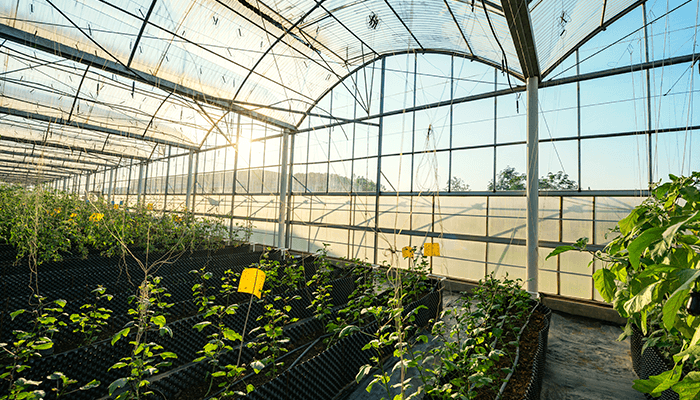
Greenhouses depend on consistent light levels to support healthy plant growth. Polycarbonate and FRP panels allow optimal light transmission while diffusing direct sunlight, preventing plants from overheating. The ability to regulate temperature while providing even light distribution makes these panels the perfect choice for year-round cultivation.
Livestock Shelters & Poultry Farms
Maintaining a comfortable environment for livestock is another important factor for productivity and health. High-quality light transmitting panels, like Opalit FRP panels, resist ammonia gases produced by poultry and swine waste. This makes them particularly effective in hog and chicken farms, where corrosion resistance is a necessity.
Agricultural Warehouses & Equipment Storage
Storage areas benefit from natural daylighting solutions, reducing the need for artificial lighting while maintaining a stable interior climate. Panels with UV-resistant coatings, like those used in Stabilit America’s Opalit panels, offer protection against extreme temperatures and environmental exposure, ensuring long-term performance.
Key Features of Light Transmitting Panels
Agricultural structures face constant exposure to moisture, chemicals, and fluctuating temperatures. The right materials must withstand these conditions while providing long-term efficiency.
Resistance to Corrosive Environments
Traditional metal roofing and cladding can degrade quickly when exposed to ammonia, fertilizer fumes, and high humidity levels. Light-transmitting FRP panels, particularly those designed for agricultural use, provide a solution that remains structurally sound despite these challenges.
Weather-Resistant Performance
Light transmitting panels can withstand high winds, heavy rainfall, and temperature extremes. Their ability to maintain structural integrity over time ensures minimal maintenance and long-lasting functionality.
Lightweight and Easy to Install
Compared to traditional materials, polycarbonate and FRP panels are much lighter, making handling and installation more efficient. This reduces labor costs and allows for quicker construction times without sacrificing durability.
UV Protection for Long-Term Durability
Prolonged exposure to sunlight can cause materials to fade, weaken, or discolor. Panels with gelcoat finishes and UV stabilizers prevent fiber bloom and material degradation, ensuring they remain effective over years of use.
Choosing Between Polycarbonate and FRP Panels for Agriculture
Both polycarbonate and FRP panels offer distinct advantages, but selecting the right material depends on the specific application. For greenhouses and plant nurseries, polycarbonate panels provide high levels of light transmission and energy efficiency. Their ability to diffuse light evenly helps prevent heat concentration while ensuring crops receive the illumination they need for optimal growth.
In livestock shelters and agricultural buildings exposed to chemical fumes, FRP panels are a more effective solution. Their resistance to ammonia and other corrosive elements makes them a long-lasting and reliable choice for hog and poultry farms. FRP panels are also a practical option for compost facilities and areas where exposure to harsh environmental conditions is unavoidable.
Regardless of the application, both materials offer long-term durability and cost savings by reducing energy consumption and minimizing maintenance requirements.
Stabilit America’s Opalit Panels—The Best Option For Agricultural Solutions
Opalit FRP panels stand out due to their advanced composition and performance features. Manufactured using orthophthalic polyester resin, they can stand up under the demanding conditions found in poultry farms, hog enclosures, and composting sites.
- Ammonia Gas Resistance: Prevents material breakdown caused by livestock waste gases.
- Temperature Resilience: Withstands extreme heat and cold without warping or cracking.
- UV Protection: Long-lasting gelcoat finish minimizes degradation over time.
- Ease of Installation: Available in multiple profiles for compatibility with existing structures.
With minimal maintenance requirements and a long service life, Opalit panels contribute to lower operational costs while maintaining optimal environmental conditions for agricultural production.
Choosing the Right Light Transmitting Panels for Your Agricultural Project
Selecting the best agroindustrial panel type requires evaluating factors such as environmental exposure, durability requirements, and installation efficiency. Whether you are constructing a new greenhouse, expanding livestock housing, or upgrading an agricultural warehouse, investing in high-quality materials will enhance long-term performance.
When evaluating panel options, consider:
- Light transmission needs
- Chemical and corrosion exposure
- Weather conditions
- Installation and maintenance
By taking these factors into account, you can ensure that your agricultural facility benefits from durable, efficient, and cost-effective cladding and roofing solutions.
Enhancing Agricultural Efficiency With the Right Materials From Stabilit America
Agricultural buildings must support productivity while standing up to demanding environmental conditions. Investing in light transmitting panels that provide the right balance of durability, light control, and resistance to harsh elements is essential for long-term success.
With our light transmitting panels, you know you are getting a material made specifically for your agricultural applications that will provide optimal performance in even the toughest environments. Whether you’re improving energy efficiency in a greenhouse, upgrading a poultry facility, or building a new storage structure, high-quality light transmitting panels will help improve both functionality and cost savings over time. For more information on selecting the best panels for your agricultural project, contact Stabilit America today. We offer solutions that keep your operation running efficiently, no matter the conditions.
Stabilit America Inc. is a leading North American manufacturer of fiberglass reinforced panels (FRP) and polycarbonate sheets, with over 65 years of experience. The company offers the widest range of acrylic, polyester, and polycarbonate laminates, backed by international certifications (USDA, Greenguard, FM, ISO 9001, among others), serving industries such as industrial construction, transportation, and sustainable building.