In facilities where cleanliness is paramount, the role of wall materials is much more significant than many people realise. Food-grade wall panels are designed to meet strict hygiene standards while withstanding moisture, chemicals and daily cleaning routines. For food processing plants, commercial kitchens and other controlled environments, choosing the right wall system is essential for compliance and long-term performance.
This article explains what food-grade wall panels are, why they are important, and how to select the most suitable option for your premises.
Food-grade wall panels: The ideal solution for hygienic environments.
Food-grade wall panels are designed to create clean, non-porous surfaces that help prevent contamination. Unlike traditional materials such as painted drywall or tiled surfaces with grout lines, these panels are designed to be smooth, durable and easy to sanitise.
They are commonly used in environments where walls are exposed to the following:
- Frequent wash-downs.
- Cleaning chemicals and disinfectants.
- There are high humidity levels and frequent temperature changes.
- There are strict food safety and sanitation regulations.
Food-grade wall panels help facilities maintain cleaner and safer spaces by minimising seams, cracks and absorbent surfaces.
Why food grade wall panels are essential for sanitary spaces
Improved hygiene and cleanability
One of the biggest advantages of food grade wall panels is their ability to support proper sanitation. Smooth, non-porous surfaces are easier to clean and reduce areas where bacteria, mold, and debris can accumulate.
This is especially important in facilities that must comply with food safety programs such as HACCP or local health department requirements.
Resistance to moisture and chemicals
Food production and preparation environments often involve water, steam, and aggressive cleaning agents. Food grade panels are designed to resist moisture absorption and chemical damage, helping walls maintain their integrity over time.
Durability in demanding conditions
In busy facilities, walls are exposed to carts, equipment, and daily wear. High-quality wall panels provide impact resistance that helps prevent damage and reduces the need for frequent repairs.
Consistent, professional appearance
A clean wall system contributes to a facility’s overall appearance. Food grade wall panels maintain a uniform look, even in high-use areas, supporting both hygiene and professionalism.
Common applications for food grade wall panels
Food grade wall panels are used across a wide range of sanitary environments, including:
- Food processing and packaging plants.
- Commercial kitchens and restaurants.
- Cold storage and refrigerated rooms.
- Breweries and beverage facilities.
- Laboratories and clean rooms.
- Healthcare and pharmaceutical spaces.
In each of these settings, wall materials must perform reliably while supporting strict sanitation protocols.
Food grade wall panels vs. traditional materials
When selecting wall materials for sanitary spaces, it’s helpful to compare food grade wall panels with more traditional options.
Tile walls
Tile offers moisture resistance, but grout lines can trap dirt and bacteria. Over time, grout may crack or discolor, increasing maintenance needs.
Painted drywall
Drywall is cost-effective upfront but performs poorly in wet or high-cleaning environments. Moisture damage and surface degradation are common issues.
PVC panels
PVC panels are sometimes used in hygienic spaces due to their smooth surface and moisture resistance. However, performance can vary depending on thickness, impact resistance, and installation quality.
FRP-based wall panels
Fiberglass reinforced panels are widely specified in food-grade environments because they combine durability, chemical resistance, and long-term performance. They are designed specifically for demanding sanitary applications.
Choosing the right food grade wall panels for your facility
Not all food grade wall panels offer the same level of performance. When evaluating options, consider the following factors:
Surface design
Smooth, non-porous surfaces are essential for effective cleaning and sanitation.
Moisture and chemical resistance
Panels should withstand frequent washdowns and exposure to cleaning agents without degrading.
Impact resistance
Facilities with carts, equipment, or high traffic need panels that can handle repeated impacts.
System compatibility
Look for wall panels that integrate well with trims, corners, and transitions to create a complete hygienic wall system.
Manufacturer expertise
Working with experienced manufacturers ensures consistent quality, reliable specifications, and long-term product support.
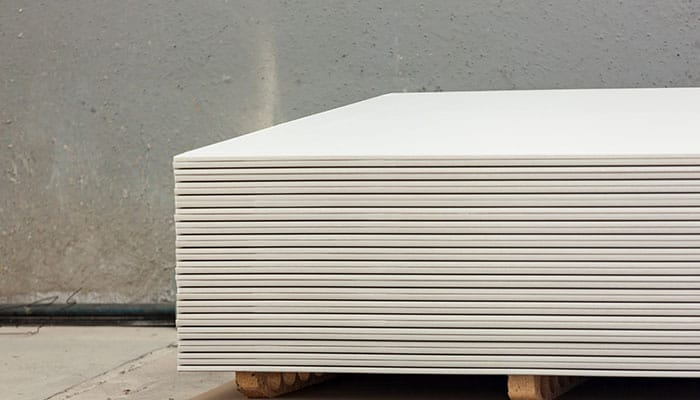
Why facilities choose Stabilit America
Stabilit America is a trusted provider of engineered FRP solutions designed for sanitary and high-performance environments. Their wall panel systems are widely used in food processing, commercial kitchens, and controlled spaces where hygiene and durability are critical.
By focusing on system-based solutions, Stabilit America helps facilities create wall systems that are easy to install, simple to maintain, and built for long-term use. Their expertise in sanitary applications makes them a reliable partner for projects with strict performance requirements.
Investing in the right wall panels matters
Food grade wall panels are more than a finishing detail. They are a critical component of maintaining hygiene, safety, and operational efficiency in sanitary environments.
By choosing wall systems designed specifically for food-grade applications and working with experienced manufacturers like Stabilit America, facilities can reduce maintenance issues, support compliance, and create cleaner, more durable spaces built for the long run.
Frequently asked questions
What makes a wall panel “food grade”?
A wall panel is considered food grade when it has a smooth, non-porous surface that supports proper sanitation. These panels are designed to resist moisture, cleaning chemicals, and bacteria buildup, making them suitable for food-related environments.
Are food grade wall panels required by regulation?
Regulations vary by region, but health departments typically require wall surfaces in food facilities to be durable, easy to clean, and non-absorbent. Food grade wall panels help facilities meet these expectations more consistently than traditional materials.
Can food grade wall panels handle frequent washdowns?
Yes. High-quality food grade wall panels are designed for environments with regular washdowns and sanitation routines. They maintain their integrity and appearance even with repeated exposure to water and cleaning agents.
Are food grade wall panels suitable for cold storage areas?
Yes. Many food grade wall panels perform well in cold and refrigerated environments, where condensation and temperature changes are common. Their moisture resistance helps prevent damage over time.
How do food grade wall panels compare to PVC panels?
While PVC panels offer smooth surfaces and moisture resistance, food grade FRP panels typically provide better impact resistance and long-term durability in high-traffic or industrial food environments.
Sources consulted:
- https://trusscore.com/blog/when-food-grade-frp-just-isnt-good-enough.html
- https://blog.fibergrate.com/blog/4-ways-to-use-fiberglass-reinforced-plastic-frp-panels-to-improve-your-facility
- https://www.simplycladding.com/blogs/general/the-role-of-hygienic-pvc-wall-cladding-in-modern-food-safety-compliance

Stabilit America Inc. is a leading North American manufacturer of fiberglass reinforced panels (FRP) and polycarbonate sheets, with over 65 years of experience. The company offers the widest range of acrylic, polyester, and polycarbonate laminates, backed by international certifications (USDA, Greenguard, FM, ISO 9001, among others), serving industries such as industrial construction, transportation, and sustainable building.
The COVID-19 pandemic has heightened the need for sanitary environments across all industries. As the concern for hygiene has grown, both workers and customers are increasingly demanding cleaner, more hygienic spaces—especially in high-traffic areas. In response, industrial designers are opting for protective and sanitary solutions like hygienic wall cladding.
Hygienic wall panels, also known as antimicrobial surfaces, have gained popularity for their ability to combat bacteria, mold, and viruses, making them an excellent choice for spaces that require high sanitation standards. These panels not only help reduce the spread of germs but also resist stains and high-impact damages. They can be installed easily and quickly, ensuring your space remains clean and safe.
Let’s explore the science behind antimicrobial wall cladding and how it can improve your environment.
How Do Hygienic Panels Work?
Bacteria, mold, fungi, and viruses are often transmitted through contact with contaminated surfaces or via airborne particles. Hygienic wall cladding works by preventing the growth of these microorganisms, providing a protective barrier. Once installed, these antimicrobial surfaces begin to act immediately—if a sick person touches the wall, the antimicrobial agents begin working against bacteria and viruses right away, continuously reducing microbial growth over time.
These panels provide continuous protection against bacterial spread, keeping environments sterile for longer periods. However, hygienic panels don’t replace regular cleaning routines, but rather complement them. When combined with daily cleaning practices, they enhance the overall sanitation of the space.
A prime example of an environment that would benefit from hygienic wall cladding is schools. In busy school corridors, where students touch walls frequently, the antimicrobial properties of the panels prevent the spread of germs. If a sick student touches the wall after coughing or sneezing, the panel works to stop bacteria from contaminating the area.
Schools are an excellent example of an environment that would benefit from hygienic panels. You could place them along school corridors to reduce the spread of bacteria to students and employees. If a student coughs or sneezes into their palm, then places their hand on the antimicrobial surface, the wall would immediately prevent the bacteria from spreading. Without the hygienic wall cladding, one sick student could facilitate bacterial spread throughout the school.
However, hygienic panels don’t eliminate the need for other cleaning measures. You use them in combination with regular cleaning practices to create an enhanced sanitary environment.
Hygienic panels usually consist of fiberglass-reinforced plastic. FRP panels are popular in many industries because of their lightweight consistency and easy maintenance. They consist of a plastic matrix reinforced with Fiberglass polymers, which creates a resilient surface. You can combine hygienic FRP panels to make a thoroughly sanitized area.
Overall, hygienic wall claddings can help you create a safe environment in any industry.
Why Choose Antimicrobial Surfaces?
Benefits of Hygienic FRP Panels
Choosing antimicrobial materials for your environment offers multiple advantages. Here are some reasons why hygienic wall cladding, especially fiberglass-reinforced plastic (FRP) panels, are a great choice for your space:
- Easy installation: You can install hygienic FRP panels directly over existing walls, allowing for a simple installation. If you want to add antimicrobial panels to an existing area, you can measure it, then install a panel of the same size. If you’re starting a new project, you can add hygienic wall claddings after the initial construction. Either way, the installation is simple and hassle-free.
- Affordability: Hygienic wall claddings are also a cost-effective choice. Instead of paying costly replacement expenses, you can install the panels directly over existing surfaces. The antimicrobial materials can protect your surfaces for longer periods than typical tiles, saving you money in the long term.
- Sanitary protection: The many sanitary benefits of antimicrobial surfaces make them worthwhile for all types of industries. The reduction of bacteria, viruses and mold growth keeps your workplace safe. Employees and visitors can feel protected and satisfied. The panels’ lack of porous material allows them to protect against bacterial growth for longer periods. Overall, you can maintain cleanliness with low effort.
- Durability: Hygienic FRP panels can outlast typical wall panels. They are highly resistant to impacts and don’t crack easily. Their smooth surfaces prevent bacteria and other growth from building in seams. While they still require regular cleaning, you can wipe them easily and extend their life span even further.
Overall, hygienic wall panels are a cost-effective and durable choice for any environment.
Who Needs Antimicrobial Surfaces?
Hygienic wall claddings are an advantage in many industries. The panels can keep work environments cleaner, creating a more positive experience for employees and visitors.
These are examples of environments that would benefit from hygienic wall panels.
- Hospitals and medical facilities: Health care is a prominent example of an industry with high sanitation requirements. It’s crucial to provide patients with high-quality care and keep employees safe. Health care facilities can apply antimicrobial surfaces in many areas, from surgical suites to hospital rooms and corridors. The panels make it easier to maintain a sanitized environment for patients and staff alike.
- Food and beverage industry: The food industry also needs to meet high sanitation standards. Food preparation areas are susceptible to moisture and staining. Spills and moisture buildup can encourage bacterial growth, degrading the environment. Hygienic wall claddings can reinforce the area, improving stain resistance and creating a cleaner environment. You can install antimicrobial FRP panels in food preparation areas, food plants, sorting halls or storage rooms.
- Transportation: With over 30 million uses each weekday in America, public transportation has one of the highest traffic rates of any industry. From subway cars to bus stations, it’s crucial to maintain a safe environment for the many users around the country. Hygienic FRP panels can reduce the buildup of bacteria and microbes on walls and other high-touch areas. You can easily install them over existing walls in vehicles and transportation stations.
- Schools: Schools would also benefit from antimicrobial wall panels. They can reduce the spread of viruses and bacteria to the many students and employees in the building. With protection against bacteria growth and easier maintenance, the panels make it easier to maintain a clean environment for everyone.
Contact Stabilit America Today
Hygienic wall panels can help you create a safe environment. If you want to install a hygienic FRP panel, look no further than Stabilit America. Our inner wall and ceiling cladding can help you meet your high sanitation needs. And with our guaranteed simple installation, you can get started anytime. Whether you’re constructing new infrastructure or replacing a wall, our panels can be an ideal solution.
Our hygienic wall panels are perfect for many industries, including agriculture, health care, transportation and OEM. To get started with our hygienic inner walls, contact us today.
FAQs
What is hygienic cladding?
Hygienic cladding refers to wall coverings that have antimicrobial properties to prevent the growth of bacteria, mold, and viruses. These surfaces are often made of fiberglass-reinforced plastic (FRP) and are designed to be easy to clean and maintain.
What thickness should hygienic wall cladding be?
The thickness of hygienic wall cladding can vary depending on the application. Generally, a thickness between 1/8 inch to 1/4 inch is ideal for most environments, as it provides durability and impact resistance while maintaining ease of installation.
What is the best type of wall cladding?
The best type of wall cladding depends on the specific needs of the environment. For high-traffic and high-hygiene areas, fiberglass-reinforced plastic (FRP) cladding is one of the best choices due to its durability, antimicrobial properties, and ease of maintenance.
Stabilit America Inc. is a leading North American manufacturer of fiberglass reinforced panels (FRP) and polycarbonate sheets, with over 65 years of experience. The company offers the widest range of acrylic, polyester, and polycarbonate laminates, backed by international certifications (USDA, Greenguard, FM, ISO 9001, among others), serving industries such as industrial construction, transportation, and sustainable building.