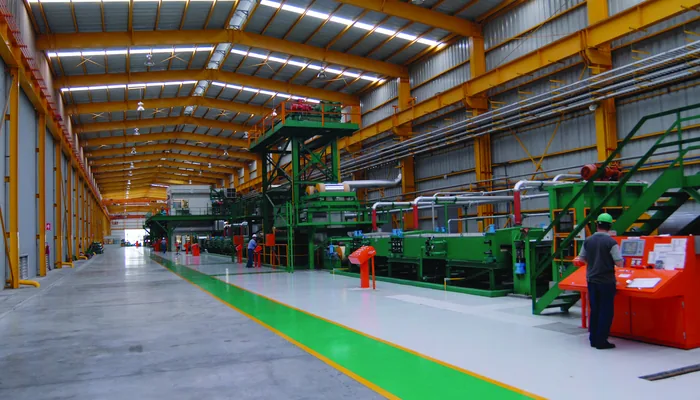
Lighting is a major operational consideration for industrial facilities. Warehouses, manufacturing plants, distribution centers, and other large buildings often depend heavily on artificial lighting because their size and layout limit access to daylight.
Incorporating natural light into an industrial building can help reduce reliance on electric lighting while creating brighter and more comfortable work areas. One way to achieve this is through translucent roof and wall systems that allow daylight to enter and distribute across interior spaces.
Acrylit is designed for this type of application. Made with acrylic resin reinforced with fiberglass, these translucent panels combine light transmission, high light diffusion, UV protection, and durability for demanding industrial environments.
Why does natural light matter in industrial buildings?
Large industrial facilities can require extensive lighting throughout the workday. When daylight is not effectively incorporated into the building design, artificial lighting may remain in use even when sufficient sunlight is available outdoors.
A natural light industrial building strategy can help address this challenge by incorporating translucent materials into selected areas of the roof or walls. The objective isn’t necessarily to eliminate artificial lighting, but to reduce its use when daylight conditions are favorable.
Better daylight distribution can also improve visibility in work areas, helping create a more comfortable and functional environment for employees.
How do Acrylit panels work?
Acrylit is a translucent fiberglass-reinforced panel designed to bring natural daylight into industrial buildings while distributing that light throughout the interior.
One of its key characteristics is its high level of light diffusion. Acrylit can achieve approximately 90-95% haze, helping scatter incoming daylight rather than allowing it to pass through as concentrated direct light.
This distinction is important when designing daylighting systems. The goal isn’t simply to maximize the amount of light entering a building. It is also important to distribute that light effectively throughout the occupied space.
How Acrylit can help reduce lighting costs
The primary energy benefit of daylighting comes from reducing the amount of time electric lighting needs to operate during daylight hours.
The potential savings depend on several factors, including building orientation, geographic location, operating schedule, roof design, translucent panel placement, and the amount of daylight available.
A properly designed natural lighting system can generate savings of up to 75% in electric lighting costs in suitable applications.
This makes translucent panels a potentially valuable component of an industrial facility’s broader energy-efficiency strategy.
Key benefits of Acrylit for industrial facilities
High light diffusion
Acrylit is engineered to distribute daylight more evenly throughout an interior space. Its high haze level helps minimize intense concentrations of direct sunlight and can contribute to more consistent illumination.
UV protection
Acrylit incorporates UV protection through a gel coat on both sides of the panel. This feature is designed to improve resistance to prolonged outdoor exposure and help maintain panel performance over time.
Durable fiberglass reinforcement
The fiberglass reinforcement gives Acrylit the mechanical strength required for demanding roof and wall applications. Stabilit America offers several versions, including Acrylit High Impact and Acrylit High Performance, for projects with different performance requirements.
Long-term performance
Acrylit has a proven service life of more than 20 years. The manufacturer also offers a 10-year warranty against yellowing and fiber bloom, subject to applicable product conditions.
Where can Acrylit be used?
Translucent panels can be strategically integrated into different parts of an industrial building to introduce natural daylight.
Common applications include:
- Industrial roofs.
- Skylights and rooflights.
- Exterior walls and siding.
- Warehouses.
- Manufacturing facilities.
- Distribution centers.
- Agricultural buildings.
- Commercial structures.
The appropriate configuration depends on the building’s structural system, climate, expected loads, and daylighting objectives.
Designing a more efficient industrial building with Acrylit
Natural daylighting works best when it is considered during the early stages of building design. Architects, engineers, and facility managers can evaluate where daylight is most useful and determine how translucent panels can complement the overall roof or wall system.
Factors such as work areas, building orientation, roof geometry, local climate, and operating hours can all influence the effectiveness of a daylighting strategy.
When properly specified, Acrylit can help industrial facilities make better use of available daylight while providing a durable solution for roof and wall applications.
For more information about specifications, available profiles, and applications, explore acrylic panels from Stabilit America.
A practical approach to industrial daylighting
Natural light can be more than an architectural feature. In an industrial facility, it can become part of a broader strategy for reducing electricity consumption and improving interior visibility.
Acrylit combines light transmission, high diffusion, UV protection, and fiberglass reinforcement in a solution designed for demanding roof and wall applications. Its range of profiles also allows it to integrate with different construction systems.
As part of its high-performance industrial Stabilit America provides solutions designed for facilities where durability, performance, and energy efficiency are important considerations.
Frequently Asked Questions
How much can daylighting reduce lighting costs in an industrial facility?
The savings vary according to the building and its operating conditions. Potential reductions in electric lighting costs of up to 75% in suitable daylighting applications.
Does Acrylit provide UV protection?
Yes. Acrylit features UV protection and a gel coat on both sides, helping the panels withstand prolonged outdoor exposure.
Can Acrylit be installed on both roofs and walls?
Yes. Acrylit is available in multiple profiles designed for roofing and siding applications, allowing daylighting to be incorporated into different areas of an industrial building.
What is the difference between light transmission and light diffusion?
Light transmission refers to the amount of light that passes through a panel. Light diffusion describes how that light is scattered. High diffusion can help distribute daylight more evenly throughout an interior space.
How long does Acrylit last?
Stabilit America reports a proven service life of more than 20 years. The product also carries a 10-year warranty against yellowing and fiber bloom, subject to applicable terms and conditions.

Stabilit America Inc. is a leading North American manufacturer of fiberglass reinforced panels (FRP) and polycarbonate sheets, with over 65 years of experience. The company offers the widest range of acrylic, polyester, and polycarbonate laminates, backed by international certifications (USDA, Greenguard, FM, ISO 9001, among others), serving industries such as industrial construction, transportation, and sustainable building.
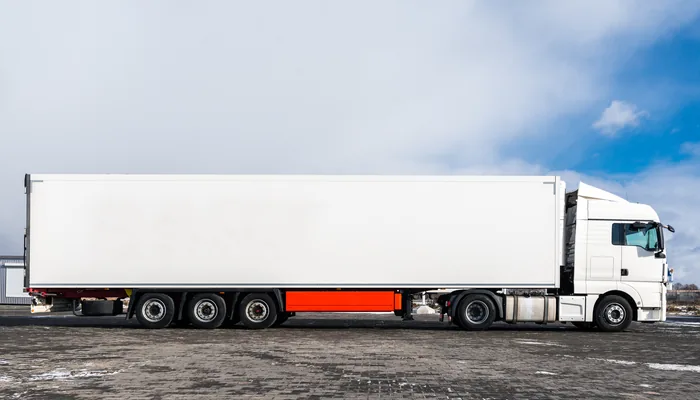
For fleet managers and trailer builders, the choice of body material is not a minor detail: it defines maintenance costs, usable payload, and vehicle lifespan. For years, steel and aluminum were the default choice, but a third material has been gaining ground in the transportation industry: corrosion-resistant truck body panels made from FRP (fiberglass-reinforced polyester resin).
Below, we objectively examine five benefits that explain why more fleet operators and trailer manufacturers are evaluating them.
1. Superior corrosion resistance
Steel, even galvanized steel, is vulnerable to rust once paint or coating gets scratched through daily use: road salt, moisture, gravel impacts, and cargo chemicals. Aluminum handles surface oxidation better, but it is prone to galvanic corrosion when it contacts other metals or fasteners. FRP panels, on the other hand, don’t rust because their composition isn’t metallic: the resin and fiberglass don’t react to moisture or deicing salts, which substantially reduces visible deterioration over time.
2. Lower weight without sacrificing mechanical strength
For the transportation business unit, vehicle weight can have a direct impact on fuel consumption and overall transportation efficiency. Steeliner combines lightweight construction with high mechanical and impact resistance, providing a durable solution for dry and refrigerated truck bodies. Its low weight can also contribute to reduced transportation costs and improved fuel efficiency over time.
3. More predictable total cost of ownership
Initial installation price doesn’t always reflect a material’s real cost. Metal surfaces may require additional maintenance over time to address corrosion, coating wear, or surface damage. Because FRP panels resist corrosion and require low maintenance, they can help reduce maintenance costs over the vehicle’s lifecycle—an important consideration for fleets managing multiple units and projecting long-term operating expenses.
4. Dimensional stability for dry and refrigerated truck bodies
Dry and refrigerated truck bodies can be exposed to significant temperature changes throughout their routes, from cold-storage conditions to intense outdoor heat and UV exposure. Steeliner is designed for these demanding transportation applications, offering dimensional stability, corrosion resistance, and UV protection that help preserve the panel’s performance and appearance over time.
Its specialized formulation makes it suitable for interior and exterior applications in dry and refrigerated bodies, helping reduce the effects of temperature changes, moisture, and weather exposure while supporting long-term durability.
5. Resistance to vibration and demanding transport conditions
Steeliner offers solutions designed for different areas of dry and refrigerated truck bodies. For subfloor applications, its high tensile strength helps reduce vibrations and prevent fractures, while its resistance to impact, moisture, chemicals, and extreme ambient temperatures supports performance under demanding transportation conditions.
Steel, aluminum, or FRP? The decision that can change your cost per mile
When comparing FRP transportation panels, including corrosion-resistant truck body panels, with traditional materials such as steel and aluminum, factors such as corrosion resistance, weight, thermal performance, and long-term maintenance costs can make a meaningful difference over the life of a fleet. The right choice will depend on your operation, route conditions, application requirements, and budget—but having clear technical information is essential to making an informed decision.
If you’re evaluating alternatives for dry or refrigerated truck bodies, we can help you compare materials based on your specific needs. Contact our team to review your application and see how our Steeliner solutions compare with the materials you’re currently using.
Frequently Asked Questions
Do FRP panels rust over time?
No. Since it isn’t a metallic material, FRP doesn’t rust; its corrosion resistance holds up even in environments with road salt or high humidity.
Is Steeliner heavier or lighter than steel?
Steeliner is considerably lighter than steel, helping reduce overall vehicle weight and improve transportation efficiency.
What maintenance does a Steeliner panel require?
Periodic cleaning with water and detergent is recommended. Because Steeliner is corrosion-resistant, it does not require the same corrosion-related maintenance as traditional metal surfaces
Can it be used for both subfloors and sidewalls?
Yes. Steeliner is available in specific solutions for subfloors, interior and exterior walls, and translucent roofs for dry and refrigerated truck bodies, each designed for different performance requirements.
How is Steeliner installed?
It’s installed using special adhesives, rivets, or both, depending on the application and system requirements. Always follow the recommended installation guidelines to help ensure proper performance. If you have questions about your specific project, contact our team and we’ll help you determine the best installation approach.
Stabilit America Inc. is a leading North American manufacturer of fiberglass reinforced panels (FRP) and polycarbonate sheets, with over 65 years of experience. The company offers the widest range of acrylic, polyester, and polycarbonate laminates, backed by international certifications (USDA, Greenguard, FM, ISO 9001, among others), serving industries such as industrial construction, transportation, and sustainable building.
Corrosion is one of the industry’s most costly enemies. Silent and persistent, it deteriorates structures, shortens the service life of facilities, and requires frequent maintenance that directly affects operating budgets.
For this reason, more and more companies are looking for innovative corrosion-resistant products capable of withstanding extreme conditions without compromising performance or their investment. Among these solutions, Opalit stands out: an industrial panel designed to withstand highly corrosive environments with proven effectiveness.
Opalit: One of the most effective innovative corrosion-resistant products on the market
Opalit is a fiber-reinforced plastic (FRP) industrial panel developed to provide exceptional resistance in environments where other materials fail quickly.
Unlike traditional metal sheets, which rust over time when exposed to chemicals or constant moisture, Opalit maintains its structural integrity and appearance even under continuous corrosive conditions.
This characteristic positions it as one of the most reliable corrosion-resistant products, ideal for sectors where exposure to chemicals, moisture, sea salt, or aggressive gases is part of daily operations.
Industrial and agro-industrial applications
Opalit was designed to adapt to multiple demanding environments:
- General industry: Roofing and perimeter walls in manufacturing plants, warehouses, and industrial complexes exposed to emissions or chemically aggressive environments.
- Agro-industrial sector: Poultry, swine, and food-processing facilities, where the combination of moisture, ammonia, and constant cleaning quickly wears down other materials.
Why is Opalit an effective solution for corrosive industries?
There are sectors where corrosion is not occasional but a constant condition of the working environment.
In these cases, having innovative corrosion-resistant products is no longer an option; it becomes an operational necessity. Some representative examples include:
- Water and wastewater treatment plants, with continuous exposure to chlorine and other chemicals.
- Chemical and petrochemical industries, where corrosive vapors rapidly affect metal structures.
- Facilities near the coast, exposed to the salinity of the marine air.
- Food-processing plants and industrial farms, with high levels of moisture and aggressive cleaning agents.
In these environments, a traditional metal panel may need to be replaced within a few years, while Opalit is designed to significantly extend maintenance and replacement cycles, providing considerable savings in operating costs over the medium and long term.
Opalit’s technical advantages
- Excellent resistance to corrosive environments, even under constant exposure.
- Weather resistance, including extreme temperatures.
- Reduced indoor heat buildup, improving thermal comfort inside facilities.
- Lightweight design, making handling, transportation, and installation easier.
Benefits with a financial impact
Beyond its technical properties, Opalit offers practical advantages for any project:
- Easy, fast, and cost-effective installation, reducing construction time and labor costs.
- Minimal maintenance, resulting in fewer operational interruptions and lower investment over time.
Combined with its superior corrosion resistance, these benefits make Opalit a smart investment: fewer replacements, fewer repairs, and less downtime for industrial operations.
Typical applications
Opalit is especially recommended for:
- Warehouses and storage facilities as wall and roof panels.
- Marine projects, due to their resistance to salinity.
- Service stations.
- Any construction that requires roof and facade panels with high resistance to corrosive environments.
Opalit: The smart choice among innovative corrosion-resistant products
If your operation faces constant moisture, chemical exposure, or saline environments, Opalit offers a proven, durable, and cost-effective solution.
Its ability to withstand corrosion over time without compromising aesthetics or functionality positions it as one of the most comprehensive alternativesamong the corrosion-resistant products currently available in the industrial market.
Contact us today and discover how Opalit can adapt to the specific needs of your project.
Ready to protect your industrial investment?
Frequently Asked Questions
Why is Opalit considered one of the innovative corrosion-resistant products?
Because it is specifically designed to maintain its performance even in environments where corrosion is continuous, without rusting or degrading over time.
In which industries is its use most recommended?
It is ideal for general industry, agro-industry, water treatment plants, and coastal facilities.
Does Opalit help reduce long-term costs?
Yes. Its high durability and low maintenance requirements reduce the frequency of replacements and repairs, generating significant savings compared with traditional materials.
Is it difficult to install?
No. One of its main advantages is its quick and easy installation, which reduces construction time and costs.
What sets it apart from a traditional metal panel?
Unlike metal, Opalit does not rust or corrode under constant exposure to moisture or chemicals, providing a longer service life in aggressive environments.
Sources consulted:
- https://www.creativecompositesgroup.com/hubfs/marketing_and_web_documents/Brochures/Enduro%20Composites%20FRP%20DOD%20Article_MASTER%20FINAL.pdf
- https://www.gtofrp.com/FRP-Roofing-Sheets-Types-Performance-for-Industrial-and-Commercial-Projects-id40582575.html
Stabilit America Inc. is a leading North American manufacturer of fiberglass reinforced panels (FRP) and polycarbonate sheets, with over 65 years of experience. The company offers the widest range of acrylic, polyester, and polycarbonate laminates, backed by international certifications (USDA, Greenguard, FM, ISO 9001, among others), serving industries such as industrial construction, transportation, and sustainable building.
The rainy season puts the durability of any industrial building, warehouse, or storage facility to the test. Leaks, water infiltration, and damage to metal roofing are clear signs that it is time to reroof.
Beyond solving a moisture problem, this is the perfect opportunity to improve the lighting and structural performance of your facilities with Acrylit. These are corrugated acrylic sheets from Stabilit, specifically designed to create translucent roofing in metal building systems.
The perfect partner for your reroofing project
When planning a reroofing project, many owners and contractors focus solely on the roof covering, overlooking the features that truly matter. Acrylit makes the difference: its sheets are manufactured to integrate seamlessly with a structure’s existing metal systems.
This means that a reroofing project does not require redesigning the entire structure or changing the fastening systems: Acrylit fits the metal profile you already have installed, streamlining the construction process and reducing installation time and costs.
Uniform light diffusion without glare spots
One of Acrylit’s most valued benefits is its ability to diffuse natural light evenly throughout the building’s interior.
Unlike other translucent materials that create areas with a high concentration of light, which can be uncomfortable or even hazardous in workspaces, Acrylit distributes light evenly, creating more comfortable, safer, and more productive environments for personnel working in industrial facilities, warehouses, and storage areas.
Lightweight design that delivers real savings
Compared with traditional solutions such as glass blocks, Acrylit offers a decisive advantage in terms of weight. Its sheets are considerably lighter, resulting in:
- A lower structural load on the building.
- Faster and easier installation, with no need for heavy equipment.
- Lower transportation and on-site handling costs.
- Less strain on the metal support systems already installed.
This lightweight design does not compromise performance: Acrylit is engineered to withstand weather conditions typical of the rainy season, including prolonged exposure to the elements.
GelCoat protection against yellowing
One of the greatest concerns when investing in translucent panels is that, over time, they may lose clarity and develop a yellowish tint due to sun exposure.
Maintaining clarity is especially important when choosing fiberglass panels for roofing and wall systems exposed to constant sunlight and moisture.
Acrylit addresses this issue with its GelCoat coating, a protective layer that helps the sheets retain their translucent and aesthetic appearance for longer, even under intense UV radiation and humid conditions.
This means an investment that retains its visual and functional value for more years, avoiding premature replacements and ensuring that natural light continues to enter clearly and consistently.
Full compatibility with metal panel systems
Acrylit was designed to work with the metal construction systems most commonly used in industrial and architectural applications. This compatibility greatly simplifies reroofing and renovation projects by making it possible to:
- Combine sections of metal sheeting with translucent Acrylit sections on the same wall.
- Use the existing support and fastening structure.
- Achieve a uniform, professional appearance on the building’s facade.
The time to act is now
If your warehouse or storage facility shows signs of deterioration in its translucent walls, such as cloudiness, yellowing, cracks, or leaks, the prospect of problems caused by the rainy season is the perfect warning to take action.
Reroofing with Acrylit not only resolves the immediate moisture problem but also improves natural lighting, reduces structural loads, and protects your investment over the long term.
Ready to improve your building’s lighting and protection?
Contact an authorized Stabilit distributor and request expert guidance for your Acrylit reroofing project.
Frequently Asked Questions
Is Acrylit compatible with any metal panel system?
Acrylit is designed to integrate with various panel systems and wall panels commonly used in industrial construction, making it easier to install in new construction or reroofing projects.
How long does the protection against yellowing last?
Thanks to its GelCoat coating, Acrylit retains its translucent and aesthetic appearance for an extended period, even under constant exposure to UV rays and humidity.
Is it heavier than a traditional glass block?
No. Acrylit is significantly lighter than glass blocks, reducing the structural load and enabling faster, more cost-effective installation.
Does it distribute light evenly in large interiors?
Yes. One of its main advantages is the uniform diffusion of natural light, preventing glare spots in industrial buildings, warehouses, and storage facilities.
Sources consulted:
- https://www.lowes.com/n/how-to/how-to-install-plastic-roof-panels
- https://www.asphaltroofing.org/reroofing-replacement-vs-recover/
Stabilit America Inc. is a leading North American manufacturer of fiberglass reinforced panels (FRP) and polycarbonate sheets, with over 65 years of experience. The company offers the widest range of acrylic, polyester, and polycarbonate laminates, backed by international certifications (USDA, Greenguard, FM, ISO 9001, among others), serving industries such as industrial construction, transportation, and sustainable building.
In modern logistics, refrigerated shipping boxes play a critical role in preserving temperature-sensitive goods across long distances. From food distribution to pharmaceutical transport, maintaining thermal stability is not optional—it is operationally essential.
While refrigeration systems often take center stage, the performance of the box itself—particularly its wall materials—is equally decisive. In this context, traditional steel wall constructions are increasingly being re-evaluated against advanced composite solutions such as Fiber Reinforced Plastic (FRP), especially in truck box and refrigerated transport applications.
The role of wall materials in refrigerated transport
Refrigerated boxes are exposed to constant thermal differentials, humidity, and mechanical stress. The exterior and interior walls must not only insulate effectively but also withstand harsh operating conditions.
Steel has long been used in truck wall applications due to its strength. However, its limitations become evident in refrigerated environments. Steel conducts heat, is prone to corrosion, and can degrade under continuous exposure to moisture and cleaning chemicals.
By contrast, composite materials such as FRP offer a more balanced performance profile, combining structural integrity with thermal efficiency and resistance to environmental stressors.
Steel vs. FRP in truck box and refrigerated applications
Thermal performance and insulation efficiency
One of the main challenges in refrigerated shipping is minimizing thermal transfer. Steel walls, due to their high thermal conductivity, can compromise insulation systems, forcing refrigeration units to work harder and increasing energy consumption.
FRP panels provide better insulation compatibility. When integrated into refrigerated box systems, they help maintain consistent internal temperatures, reducing energy demand and improving operational efficiency.
Resistance to corrosion and moisture
Refrigerated environments generate condensation, and frequent washdowns are required to maintain hygiene standards. Steel surfaces are vulnerable to corrosion under these conditions, leading to structural degradation and higher maintenance costs.
FRP panels are inherently resistant to moisture and chemical exposure. This makes them particularly suitable for refrigerated truck walls, where durability and hygiene are critical.
Weight reduction and payload optimization
Weight is a key factor in logistics efficiency. Steel structures add significant weight to truck bodies, limiting payload capacity and increasing fuel consumption.
FRP materials are considerably lighter while maintaining structural strength. This allows operators to optimize payload capacity and improve fuel efficiency without compromising durability.
Applications in truck walls and refrigerated boxes
FRP solutions are increasingly used in both interior and exterior wall systems of refrigerated transport units.
Exterior truck walls
In exterior applications, FRP panels provide resistance against environmental exposure, including UV radiation, temperature fluctuations, and mechanical impacts. Unlike steel, they do not oxidize or require protective coatings to maintain performance.
Interior wall systems
Inside refrigerated boxes, wall materials must support hygiene, durability, and ease of cleaning. FRP panels offer smooth, non-porous surfaces that facilitate sanitation while maintaining structural integrity over time.
For companies evaluating material upgrades, integrating solutions like FRP truck wall systems can significantly improve performance across both interior and exterior applications.
Operational efficiency and lifecycle advantages
Although steel may appear cost-effective initially, its long-term performance in refrigerated environments often results in higher maintenance, repair, and energy costs.
FRP panels, by contrast, offer a lower total cost of ownership. Their resistance to corrosion, reduced maintenance needs, and improved thermal efficiency contribute to more predictable and optimized operations over time.
Manufacturers such as www.stabilitamerica.com are at the forefront of developing advanced composite solutions tailored to refrigerated transport, supporting the evolution of more efficient and durable logistics systems.
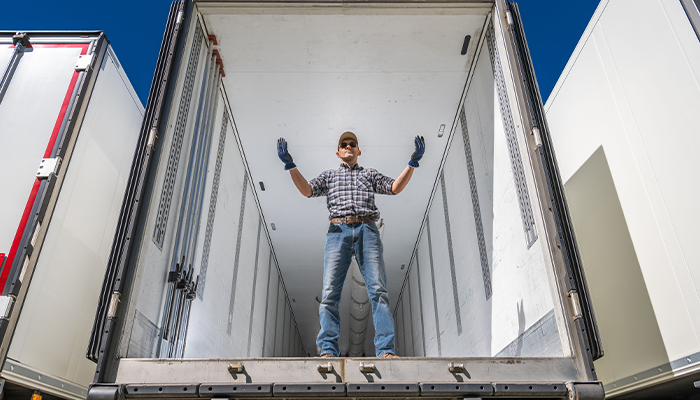
Redefining material standards in refrigerated logistics
As cold chain logistics becomes more demanding, the limitations of traditional materials like steel become increasingly evident. The shift toward advanced composites reflects a broader industry trend focused on performance, efficiency, and sustainability.
By adopting FRP panels in refrigerated shipping boxes, operators can achieve better thermal control, improved durability, and enhanced operational efficiency—key factors in maintaining competitiveness in modern logistics.
Frequently asked questions
What industries benefit the most from refrigerated shipping boxes?
Industries such as food and beverage, pharmaceuticals, agriculture, and biotechnology rely heavily on refrigerated shipping boxes to maintain product integrity during transport.
How do refrigerated boxes maintain consistent temperatures during long trips?
They combine insulation materials, sealed wall systems, and active refrigeration units to minimize temperature fluctuations and maintain controlled internal environments.
Can refrigerated truck boxes be customized for specific cargo types?
Yes. Refrigerated boxes can be designed with different insulation levels, compartmentalization, and airflow systems depending on the type of cargo being transported.
What is the typical lifespan of a refrigerated truck box?
The lifespan varies depending on materials and maintenance, but high-quality refrigerated boxes can last between 10 and 15 years or more under proper conditions.
Are refrigerated shipping boxes environmentally sustainable?
Modern refrigerated boxes can improve sustainability by reducing energy consumption and minimizing product waste, especially when built with advanced materials that enhance insulation efficiency.
Sources consulted:
- https://composite-box.com/blog/why-use-frp-panels-for-refrigerated-trucks/
- https://dctech.com.au/vetroresina-for-refrigerated-truck-bodies/
- https://carbodygroup.com/blog/what-are-refrigerated-trucks-made-of/
Stabilit America Inc. is a leading North American manufacturer of fiberglass reinforced panels (FRP) and polycarbonate sheets, with over 65 years of experience. The company offers the widest range of acrylic, polyester, and polycarbonate laminates, backed by international certifications (USDA, Greenguard, FM, ISO 9001, among others), serving industries such as industrial construction, transportation, and sustainable building.
Industrial environments are becoming increasingly demanding, not only in terms of structural performance but also workplace safety and long-term efficiency. As companies seek materials that can withstand harsh conditions while reducing maintenance expenses, FRP grating panels have emerged as a reliable and forward-thinking solution.
Unlike traditional materials such as steel or aluminum, these composite panels are engineered to deliver superior slip resistance, corrosion protection, and ergonomic advantages. This combination makes them particularly valuable in sectors where safety and durability are non-negotiable.
What are FRP grating panels, and why are they used?
FRP grating panels are structural components made from fiberglass-reinforced plastic, designed to provide a strongyet lightweight alternative to metal grating systems. They are typically manufactured using molding or pultrusion processes, resulting in panels that offer consistent performance and high load-bearing capacity.
What sets them apart is their ability to perform in environments where traditional materials degrade quickly. Exposure to moisture, chemicals, or extreme temperatures often leads to corrosion in metals, while FRP maintains its integrity over time.
Their non-conductive properties and slip-resistant surface further enhance their suitability for industrial and commercial applications.
Industrial environments where FRP grating panels excel
Chemical processing plants
In facilities where exposure to corrosive substances is constant, material degradation is a critical concern. FRP grating panels provide exceptional resistance to chemicals, acids, and solvents, ensuring long-term structural stability without the need for protective coatings.
This significantly reduces maintenance cycles and operational downtime.
Wastewater treatment facilities
Moisture-rich environments accelerate the deterioration of traditional materials. FRP grating panels are immune to rust and highly resistant to biological and chemical agents commonly found in wastewater systems.
Their slip-resistant surface also improves worker safety in areas prone to spills and constant humidity.
Marine and coastal structures
Saltwater exposure is one of the most aggressive conditions for construction materials. Unlike steel, which requires continuous maintenance, FRP grating panels maintain their performance without corrosion.
This makes them ideal for docks, piers, and offshore platforms where durability and safety are essential.
Food and beverage industry
Hygiene and safety standards are critical in food processing environments. FRP grating panels offer non-porous surfaces that resist contamination and are easy to clean.
Additionally, their resistance to moisture and chemicals ensures compliance with strict sanitation requirements.
Oil, gas, and energy facilities
In high-risk environments such as refineries and energy plants, safety is paramount. FRP grating panels provide anti-slip surfacesand are non-conductive, reducing the risk of electrical hazards.
Their lightweight nature also simplifies installation in complex structures, improving efficiency during construction and maintenance.
Safety and ergonomic advantages over traditional materials
Slip resistance and worker protection
One of the most significant advantages of FRP grating panels is their enhanced slip resistance. The textured surface reduces the likelihood of accidents, even in wet or oily conditions, making them a preferred option for safety-critical environments.
Lightweight design for easier handling
Compared to steel grating, FRP panels are considerably lighter. This reduces the physical strain on workers during installation and lowers transportation expenses, contributing to overall project efficiency.
Reduced maintenance and long-term reliability
Traditional materials often require painting, coating, or replacement due to corrosion. FRP grating panels eliminate these needs, offering a maintenance-free solution that performs consistently over time.
Integration with other composite solutions
FRP grating panels are frequently used alongside complementary materials such as FRP wall panels, creating fully integrated systems that enhance both structural performance and environmental resistance.
This combination is particularly effective in facilities that demand both durability and a clean, controlled environment.
Why industries are shifting toward FRP solutions
The growing adoption of FRP materials reflects a broader shift toward efficiency-driven construction. Companies are no longer prioritizing only upfront costs but also lifecycle performance.
FRP grating panels offer a balance of strength, safety, and cost-effectiveness, making them a strategic investment rather than a simple material choice.
As a recognized leader in composite solutions, Stabilit America continues to support this transition by providing advanced materials tailored to the needs of modern industries.
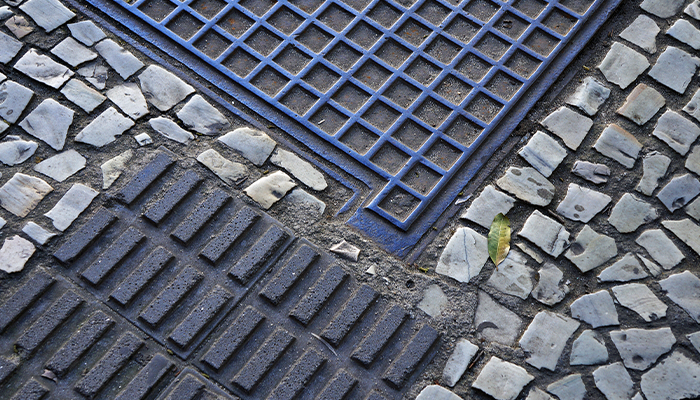
A smarter approach to industrial safety
FRP grating panels are redefining how industries approach safety, durability, and operational efficiency. Their ability to perform in extreme environments while minimizing maintenance makes them a compelling alternative to traditional materials.
As industrial standards continue to evolve, these composite solutions are set to play a central role in the future of construction and infrastructure.
Frequently asked questions
Are FRP grating panels suitable for heavy loads?
Yes, they are designed to support significant loads depending on their configuration and thickness, making them suitable for industrial platforms and walkways.
Do FRP grating panels require regular maintenance?
No, one of their main advantages is their low maintenance. They do not corrode, rust, or require protective coatings.
Can FRP grating panels be customized?
Yes, they can be manufactured in different sizes, thicknesses, and resin types to meet specific environmental and structural requirements.
Sources consulted:
- https://bedfordreinforced.com/10-top-uses-for-frp-grating/
- https://frpengineering.net/the-benefits-of-frp-grating-and-why-its-easy-to-install/
- https://blog.fibergrate.com/blog/what-you-should-know-about-frp-fiberglass-grating
Stabilit America Inc. is a leading North American manufacturer of fiberglass reinforced panels (FRP) and polycarbonate sheets, with over 65 years of experience. The company offers the widest range of acrylic, polyester, and polycarbonate laminates, backed by international certifications (USDA, Greenguard, FM, ISO 9001, among others), serving industries such as industrial construction, transportation, and sustainable building.
When it comes to roofing materials, tinted corrugated plastic roofing has emerged as a top choice for various industries due to its combination of durability, light control, and aesthetic appeal. These panels are an ideal solution for a range of applications, including industrial buildings, agricultural structures, and architectural projects.
With Stabilit America’s expertise in polycarbonate and FRP roofing systems, tinted corrugated panels offer the perfect balance of functionality and design, making them a versatile and reliable option for modern construction projects.
This article explores the key benefits and applications of tinted corrugated plastic roofing and why Stabilit America is a trusted source for high-performance roofing materials.
What are tinted corrugated plastic roof panels?
Tinted corrugated plastic roofing panels are made from durable plastic materials such as polycarbonate or FRP and feature a corrugated design for added strength and flexibility. The panels are tinted to provide controlled light transmission while offering UV protection, making them ideal for applications where natural light is desired but glare or heat buildup needs to be controlled.
These panels are commonly used in industrial, agricultural, and architectural settings, where they serve as an effective roofing solution that balances light diffusion, durability, and aesthetics. The corrugated design provides added rigidity and resistance to impact, ensuring that the panels remain intact and perform well in challenging environments.
Key benefits of tinted corrugated plastic roofing
UV protection and controlled light transmission
One of the primary advantages of tinted corrugated plastic roofing is its ability to offer UV protection while controlling the amount of light that enters the building. The tinted panels reduce glare and provide a comfortable, well-lit interior without the harsh sunlight that can cause discomfort or damage to sensitive materials. The built-in UV protection helps prevent the roofing material from yellowing or degrading over time, ensuring long-lasting performance.
Durability and weather resistance
Tinted corrugated plastic roofing is highly durable and designed to withstand harsh weather conditions, making it perfect for outdoor use. The corrugated design adds strength, allowing the panels to resist impacts from hail, debris, and other environmental factors. The plastic materials used in these panels are resistant to moisture, corrosion, and chemicals, making them ideal for agricultural buildings, warehouses, and other industrial structures.
The durability of corrugated panels also ensures that the roofing system requires minimal maintenance, reducing long-term costs associated with repairs or replacements.
Aesthetic flexibility
In addition to its functional benefits, tinted corrugated plastic roofing also offers aesthetic versatility. The panels are available in a variety of tints and finishes, allowing architects and designers to select the perfect option for their project. Whether you’re looking for a more traditional look or a modern, sleek design, tinted corrugated panels can be customized to complement the building’s overall style.
The ability to control light transmission not only enhances the interior environment but also improves the building’s exterior appearance, providing a unique and attractive roofing solution.
Common applications for tinted corrugated plastic roofing
Industrial buildings
Tinted corrugated plastic roofing is commonly used in industrial buildings such as factories, warehouses, and storage facilities. The panels provide durable, cost-effective roofing that allows natural light to penetrate the building while maintaining a controlled temperature. The UV protection and impact resistance of the panels also ensure that the roof can withstand the demands of heavy-duty environments.
Agricultural structures
For agricultural applications like barns, greenhouses, and livestock housing, tinted corrugated plastic roofing is an excellent choice. The controlled light transmission helps regulate temperature and humidity inside the structure, creating a more comfortable environment for crops and animals. The panels also provide adequate protection from UV rays, ensuring that plants and livestock are shielded from harmful sun exposure.
Architectural projects
Tinted corrugated plastic roofing is increasingly used in architectural projects such as skylights, canopies, and covered walkways. These panels allow for the integration of natural light into the design while providing a visually appealing solution that adds architectural interest to the space. Whether used in commercial or residential buildings, tinted corrugated panels help achieve a bright, energy-efficient indoor environment without compromising aesthetics.
Carports and outdoor shelters
Tinted corrugated plastic roofing is also ideal for outdoor structures like carports, patios, and shelters. The panels provide protection from the elements, shielding vehicles, equipment, and outdoor living areas from rain, snow, and sun. Their lightweight design and ease of installation make them a practical and cost-effective roofing option for both residential and commercial outdoor structures.
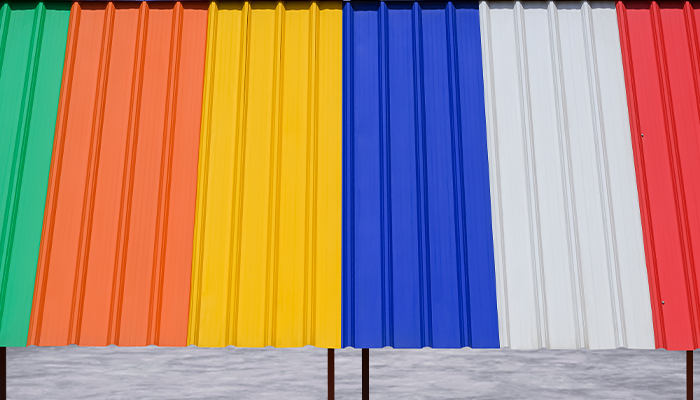
Why choose Stabilit America for tinted corrugated plastic roofing?
As one of the leading FRP manufacturers, Stabilit America offers a range of tinted corrugated plastic roofing solutions designed to meet the needs of various industries. With extensive experience in providing high-performance roofing materials, Stabilit America delivers durable, energy-efficient, and aesthetically pleasing solutions that are ideal for industrial, agricultural, and architectural projects.
Whether you’re looking for a roofing solution for a greenhouse, factory, or outdoor shelter, Stabilit America’scorrugated panels provide the perfect combination of light transmission, UV protection, and durability.
The benefits of tinted corrugated plastic roofing
Tinted corrugated plastic roofing provides a versatile and durable solution for a variety of applications. From industrial buildings and agricultural structures to architectural projects and outdoor shelters, these panels offer the perfect combination of light control, UV protection, and weather resistance.
By choosing Stabilit America for your roofing needs, you can trust that you are getting high-quality materials designed to perform under the toughest conditions. Whether you need a functional, energy-efficient roof or a visually appealing design, tinted corrugated plastic roofing from Stabilit America delivers lasting performance and value.
Frequently asked questions
What makes tinted corrugated plastic roofing an ideal choice for construction?
It is ideal for construction due to its combination of durability, UV protection, and light diffusion. It reduces glare and helps control light transmission while protecting interiors from harmful UV rays, making it perfect for agricultural, industrial, and architectural applications.
How does the tinting of corrugated plastic roofing impact light transmission?
The tint in corrugated plastic roofing helps control the amount of light entering the building. It reduces glare and diffuses sunlight, creating a more comfortable indoor environment. This makes it particularly useful in spaces that require natural light but without the harshness that comes from direct sunlight.
Can tinted corrugated plastic roofing help with energy efficiency?
Yes, it contributes to energy efficiency by helping to regulate the internal temperature of a building. Its UV-blocking properties reduce heat buildup inside while allowing natural light to enter, which can lower the need for artificial lighting and reduce cooling costs, especially in warm climates.
What industries commonly use tinted corrugated plastic roofing?
Tinted corrugated plastic roofing is widely used in industries such as agriculture (for greenhouses and barns), industrial settings (for warehouses and factories), and architecture (for skylights and covered walkways). Its versatility, durability, and light control make it ideal for these applications.
How does tinted corrugated plastic roofing compare to traditional roofing materials like glass or metal?
Compared to traditional materials like glass, tinted corrugated plastic roofing is lighter, more impact-resistant, and offers better UV protection. It provides the same natural light benefits as glass but with enhanced durability and insulation. Unlike metal roofing, which can absorb heat, tinted corrugated plastic roofing helps maintain a more stable interior temperature.
How long does tinted corrugated plastic roofing last?
Tinted corrugated plastic roofing is designed for long-lasting performance. Its resistance to UV rays, weather elements, and impacts ensures that it can last for decades with minimal maintenance. The panels are durable and perform well under various environmental conditions, making them a cost-effective roofing solution for the long term.
Is tinted corrugated plastic roofing easy to install?
Yes. The lightweight nature of the panels makes them easy to handle and cut, while their corrugated design adds strength and flexibility. Installation is quick, which helps reduce labor costs and speeds up the construction process.
Why should I choose Stabilit America for tinted corrugated plastic roofing?
Stabilit America offers high-quality corrugated panels designed for durability, light control, and UV protection. As one of the leading FRP manufacturers, Stabilit America provides roofing materials that are built to perform in tough environments, offering long-lasting value and superior performance.
Sources consulted:
- https://www.piedmontplastics.com/blog/corrugated-polycarbonate-panels-faq
- https://www.covalba.fr/en/blog/toit-polycarbonate-avis
- https://www.coohom.com/article/the-ultimate-guide-to-polycarbonate-corrugated-roof-panels
Stabilit America Inc. is a leading North American manufacturer of fiberglass reinforced panels (FRP) and polycarbonate sheets, with over 65 years of experience. The company offers the widest range of acrylic, polyester, and polycarbonate laminates, backed by international certifications (USDA, Greenguard, FM, ISO 9001, among others), serving industries such as industrial construction, transportation, and sustainable building.
When projects require natural light, weather protection, and long-term durability, Suntuf panels are a widely recognized solution. Known for their strength and light transmission, these polycarbonate panels are commonly used in outdoor, agricultural, and industrial environments where performance matters as much as appearance.
This article explains what Suntuf panels are, where they are used, their main benefits, and how they compare to other exterior panel solutions.
What are Suntuf panels?
Suntuf panels are corrugated polycarbonate panels designed primarily for roofing and exterior applications. They allow natural daylight to pass through while protecting structures from rain, UV exposure, and impact.
Because polycarbonate is significantly stronger than many traditional plastics, Suntuf panels are often chosen for projects that need a balance between transparency and toughness.
They are commonly used in:
- Patio covers and pergolas.
- Agricultural structures.
- Industrial roofing and siding.
- Canopies and walkways.
- Storage and utility buildings.
Why Suntuf panels are popular for exterior projects
High impact resistance
One of the main advantages of Suntuf panels is their strength. Polycarbonate panels can withstand impacts from hail, debris, and harsh weather conditions far better than fiberglass or acrylic alternatives.
This makes them a reliable option for outdoor installations exposed to the elements.
UV protection and light transmission
Suntuf panels are designed to transmit natural light while blocking harmful UV rays. This helps protect people, equipment, and materials beneath the panels while still creating bright, usable spaces.
In agricultural or industrial settings, access to daylight can improve visibility and reduce reliance on artificial lighting.
Weather and moisture resistance
Polycarbonate does not absorb moisture and performs well in humid or rainy environments. Suntuf panels maintain their structural integrity over time, even with constant exposure to weather changes.
Common applications for Suntuf panels
Suntuf panels are frequently specified in projects where durability and daylighting are key priorities:
- Agricultural barns and livestock shelters.
- Greenhouses and plant propagation areas.
- Industrial loading areas and equipment covers.
- Outdoor storage facilities.
- Commercial canopies and awnings.
In these environments, panels must resist weather, provide protection, and support efficient operations.
Suntuf panels vs. other exterior panel óptions
When selecting exterior panels, it’s helpful to understand how Suntuf panels compare to other materials.
Suntuf panels vs. fiberglass panels
Fiberglass panels are lightweight and cost-effective, but they can become brittle or discolor over time. Polycarbonate Suntuf panels generally offer higher impact resistance and longer service life.
Suntuf panels vs. exterior FRP panels
Exterior FRP panels are commonly used for wall cladding rather than roofing. They excel in durability, chemical resistance, and long-term performance on vertical surfaces. Suntuf panels, by contrast, are better suited for roofing and overhead applications where light transmission is important.
Suntuf panels vs. metal roofing
Metal roofing provides excellent strength but blocks natural light. Suntuf panels offer a lighter, translucent alternative that brightens spaces without sacrificing protection.
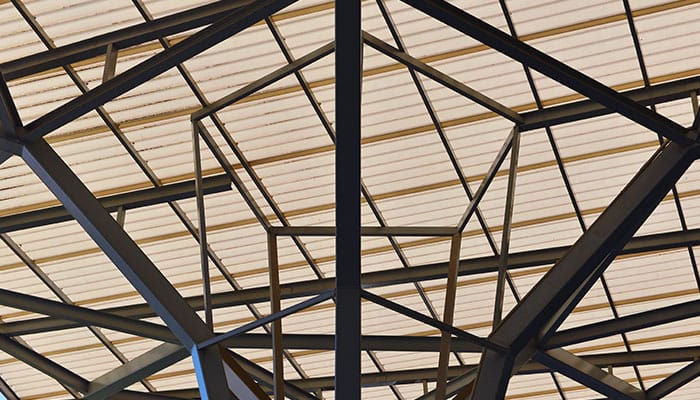
Installation considerations for Suntuf panels
Proper installation is essential to maximize the performance of Suntuf panels. Key considerations include.
- Allowing for thermal expansion and contraction.
- Using compatible fasteners and accessories.
- Ensuring correct panel overlap and slope.
- Following manufacturer guidelines for spacing and support.
Correct installation helps prevent issues such as cracking, leaks, or premature wear.
How Suntuf panels fit into broader building systems
While Suntuf panels are primarily used for roofing, they are often part of larger exterior systems that include wall cladding and protective panels.
In many projects, translucent roofing is combined with solid wall systems such as FRP or metal panels. This combination allows buildings to benefit from natural light while maintaining durable, easy-to-maintain walls.
Working with experienced FRP manufacturers and panel suppliers helps ensure compatibility across different materials and systems.
Choosing the right panel supplier matters
Not all panels perform the same way. Quality, consistency, and technical support are critical when selecting materials for exterior applications.
Manufacturers with experience in polycarbonate and FRP systems understand how different panels interact in real-world environments. This expertise helps reduce installation challenges and supports long-term performance.
Companies like Stabilit America, known for advanced panel solutions, bring this system-level understanding to architectural, industrial, and agricultural projects.
Are Suntuf panels the right choice?
Suntuf panels are a strong solution for projects that need durable, translucent roofing with reliable weather resistance. Their impact strength, UV protection, and light transmission make them well suited for outdoor and industrial applications.
When integrated thoughtfully with wall systems such as exterior FRP panels and sourced from experienced FRP manufacturers, Suntuf panels can play an important role in creating efficient, long-lasting building envelopes designed for modern performance needs.
Frequently asked questions
What makes Suntuf panels different from other translucent roofing materials?
Suntuf panels are made from polycarbonate, which offers higher impact resistance and longer service life than many fiberglass or acrylic alternatives. This makes them suitable for demanding exterior environments.
Are Suntuf panels suitable for agricultural buildings?
Yes. Suntuf panels are commonly used in barns, greenhouses, and livestock shelters because they allow natural light while protecting structures from weather and UV exposure.
Do Suntuf panels block harmful UV rays?
Suntuf panels are designed to transmit daylight while filtering UV radiation. This helps protect people, animals, and materials beneath the panels from excessive sun exposure.
Can Suntuf panels be combined with other exterior wall systems?
Yes. Suntuf panels are often used alongside solid wall materials such as exterior FRP panels to create balanced building envelopes that combine daylighting with durable wall protection.
How long do Suntuf panels typically last?
When properly installed and maintained, Suntuf panels can last many years. Their resistance to impact, moisture, and weathering contributes to long-term performance in outdoor applications.
Why is it important to work with experienced manufacturers and suppliers?
Exterior projects require materials that perform consistently under changing conditions. Working with established FRP manufacturers and panel suppliers helps ensure proper material selection, compatibility, and technical support.
Sources consulted:
- https://www.palram.com/blog/construction-architecture/enjoy-the-rain-the-quiet-comfort-of-suntuf-beehive-roofing/
- https://www.funktionalhome.com/suntuf-vs-tuftex/
- https://danpal.com/what-is-the-best-clear-roofing-material/
Stabilit America Inc. is a leading North American manufacturer of fiberglass reinforced panels (FRP) and polycarbonate sheets, with over 65 years of experience. The company offers the widest range of acrylic, polyester, and polycarbonate laminates, backed by international certifications (USDA, Greenguard, FM, ISO 9001, among others), serving industries such as industrial construction, transportation, and sustainable building.
When it comes to constructing or renovating industrial, healthcare or agricultural facilities – and even residential or commercial buildings – one factor has a direct impact on the structural integrity, safety and long-term performance of your project: the quality of the materials you choose.
Quality isn’t just about how a panel looks on day one. It includes durability, composition, ease of handling, hygiene, certifications and aesthetics. Get these right, and your facility can perform reliably for decades while meeting or exceeding specifications and regulatory standards.
Over time, certain brands earn a special place in the market because builders, architects, engineers and facility owners repeatedly see great results when they use them. Stabilit America products fall into that category. For more than 72 years, Stabilit has consistently delivered materials that stand up to real-world conditions and demanding industries.
Below, you’ll find ten important reasons to use Stabilit America products in your next project, plus answers to frequently asked questions and accessibility-focused alt text suggestions for your images.
Stabilit America: Ten Reasons to Use Our Products
Before diving into the ten important reasons to use Stabilit America products, it’s worth understanding who we are and why our history matters to your project.
A Global Leader in Fiberglass and Polycarbonate Solutions
At Stabilit, we’ve developed our expertise for over 72 years. Today we are a global leader in the production and sale of fiberglass-reinforced plastic (FRP) panels and polycarbonate sheets. Across our product lines, we’ve created one of the widest ranges of corrosion-resistant, value-added acrylic, polyester and polycarbonate laminates in the industry.
Products That Solve Real-World Problems
Stabilit America products go far beyond being “just materials.” They are solutions designed to address real challenges in the field, such as:
- Corrosion and chemical attack
- Lack of natural lighting
- Hygiene and ease of disinfection
- Impact and foot-traffic resistance
- UV exposure and weathering
- Thermal and acoustic comfort
Each individual product line has its own set of features and benefits that provide value:
aesthetics, ease of cleaning, UV resistance, high strength-to-weight ratio, fire performance, impact resistance and more.
Certifications That Build Trust
At Stabilit America, we know that earning your trust requires more than claims – it requires independent validation. That’s why our fiberglass-reinforced plastic panels and polycarbonate products are backed by respected certifications, including:
- ANSI National Accreditation Board
- Factory Mutual System (FM)
- Agriculture and Agri-Food Canada
These certifications give architects, engineers, contractors and owners confidence that Stabilit America products meet stringent standards for quality, safety and performance.
Ten Important Reasons to Use Stabilit America Products
Now that you know more about us as a company, let’s explore ten important reasons to use Stabilit America products in your construction, remodeling or transportation projects. Each reason is tied to specific product families designed for demanding environments.
1. Dual-Sided UV Protection and Clarity: Macrolux Solid
Need a product that offers UV protection on both sides? Stabilit America products include Macrolux Solid, a monolithic polycarbonate sheet with dual UV protection and coextrusion technology that:
- Simplifies cutting and assembly
- Offers outstanding light transmission
- Provides excellent resistance to mechanical stress
- Delivers high machinability and formability
Macrolux Solid is an ideal choice for:
- Anti-noise barriers
- Canopies and covered walkways
- Curved roofing systems
- General signage and road signs
When you need a clear, tough, UV-protected polycarbonate sheet, Macrolux Solid from Stabilit America is a smart solution.
2. Up to 95% Natural Light and Energy Savings: Acrylit
With Stabilit America products, you can achieve natural light transmission of up to 95% in industrial spaces, greenhouses and architectural applications.
Acrylit is a translucent acrylic sheet made of 100% acrylic resin, reinforced with fiberglass. It is specifically engineered to:
- Maximize natural daylight
- Improve visual comfort and reduce lighting costs
- Maintain performance under outdoor exposure
Acrylit offers UV protection on both sides, plus an additional Gelcoat layer (also on both sides) that delivers:
- Enhanced resistance to outdoor environments
- Longer service life and color stability
- Improved aesthetics and surface protection
For projects that prioritize energy efficiency and daylighting, Acrylit is one of the standout Stabilit America products.
3. Protection Against the Elements and Fire: Macrolux Multiwall
Macrolux Multiwall helps you keep weather and environmental factors under control. This multiwall polycarbonate material is designed to:
- Provide a lightweight, insulating cover
- Resist corrosion from acid rain and pollutants
- Offer high fire resistance, depending on formulation
- Support environmentally friendly design, thanks to its performance and potential energy savings
Common applications for Macrolux Multiwall include:
- Skylights and roof glazing
- Greenhouse roofing
- Facades and curtain walls
- Covered walkways and canopies
When you need a high-performance roofing or cladding solution, Macrolux Multiwall shows why Stabilit America products are trusted in industrial, commercial and agricultural environments.
4. Corrosion-Resistant Panels for Aggressive Agricultural Environments: Opalit
Ammonia-rich environments in poultry, swine and livestock facilities demand materials that can withstand high levels of corrosive gases. Opalit for agricultural applications is one of the Stabilit America products tailored for this challenge.
Opalit panels offer:
- Excellent resistance to ammonia and other aggressive vapors
- Long-term durability in stables, barns, and agricultural buildings
- Lightweight, easy-to-handle sheets that reduce installation time
- Surfaces that can be cleaned and maintained with standard agricultural practices
For agribusiness projects where corrosion can quickly damage traditional materials, Opalit delivers the long-term performance you need.
5. Robust Solutions for Transport and Vehicle Bodies: Versalit & Glasliner
Transport applications require materials that are strong, light, easy to clean and resistant to impact and vibration. Two key Stabilit America products for this segment are Versalit and Glasliner.
Versalit
Versalit allows you to harness the benefits of polyester resins for transportation and mobile applications. These sheets can be used for:
- Entry doors
- Luggage-box panels for camping trailers and RVs
- Side walls and interior liners in transport vehicles
Versalit panels are designed to offer good impact resistance, long-term durability and a clean, consistent appearance.
Glasliner
Glasliner is a reinforced composite panel embossed door skin made with polyester resins. It is:
- UV resistant and thermally stable
- Resistant to dents and corrosion
- Suitable for high-use, hygiene-focused environments
Glasliner is recommended as a liner for:
- Refrigerated trailers
- Truck bodies
- Containers and railcars
- Any application where sanitary, durable, easy-to-clean finishes are required
Together, Versalit and Glasliner show how Stabilit America products support robust, long-lasting transportation solutions.
6. High-Strength Walkable Roof Panels: Tred-Safe
There are fiberglass-reinforced panels so strong that you can safely walk on them. Tred-Safe is a high-end industrial building panel line designed for:
- Maintenance worker and roof foot traffic
- Impact resistance
- Corrosion resistance
Tred-Safe panels are:
- UV stabilized to withstand continuous sun exposure
- Highly weather resilient, making them ideal for harsh outdoor environments
- Engineered with a tough surface that helps prevent damage during maintenance activities
For plants, warehouses and industrial facilities where roof access is necessary, Tred-Safe is one of the most reliable Stabilit America products available.
7. Extreme Corrosion Resistance: Acryloy CR and Resolite CR
Some environments are so demanding that they require specialized corrosion-resistant solutions. Acryloy CR is a prime example from the Stabilit portfolio:
- Fiberglass-reinforced plastic panels with UV stabilizers
- Extremely corrosion resistant, ideal for chemical processing, wastewater treatment and other harsh settings
- Not fire resistant, which allows it to focus on maximum corrosion performance
In addition, other corrosion-resistant product lines like Resolite CR complement Acryloy CR in applications where chemical exposure is severe. Together, these Stabilit America products help extend the service life of structures that would rapidly degrade if built with conventional materials.
8. Transforming Outdoor Residential and Light Commercial Spaces
Stabilit America products aren’t limited to heavy industrial applications. You can also transform outdoor residential spaces such as:
- Decks and patios
- Awnings and pergolas
- Carports and garden structures
Using panels like Macrolux Rooflite, Polylit and related translucent roofing solutions, you get:
- Lightweight panels that are easy to install
- Attractive, diffused natural light
- UV protection and weather resistance
- A clean, modern aesthetic that enhances the value of your property
Whether you’re a contractor, architect or homeowner, these Stabilit America products help create comfortable, visually appealing outdoor spaces that perform over time.
9. Hygienic and Antimicrobial Solutions for Food-Safe Environments: Macrolux AM & Glasliner
For facilities that must meet FDA standards for food packaging safety while also requiring excellent light transmission and hygiene, there is a Stabilit America product specifically designed for that need: Macrolux AM.
Macrolux AM panels:
- Incorporate antimicrobial technology directly into the material
- Help reduce microbial growth on panel surfaces
- Provide high light transmission where visibility and cleanliness are critical
Combine Macrolux AM with hygienic liners like Glasliner, and you have a comprehensive material system that supports:
- Food processing facilities
- Cold rooms and refrigerated spaces
- Packing and handling areas
These Stabilit America products bring together light, hygiene and safety in one integrated solution.
10. A Complete, Compatible System of Materials and Support
Perhaps one of the most important reasons to use Stabilit America products is the breadth and compatibility of the entire portfolio. Instead of mixing unrelated materials from different suppliers, you can:
- Choose from a wide range of fiberglass-reinforced polymer panels and polycarbonate sheets
- Match the right product to the right application (roofing, siding, skylights, walls, doors, canopies, cargo boxes, transport vehicles and more)
- Rely on a manufacturer with decades of experience, global presence and respected certifications
From interior and exterior walls, roofs, covers, skylights, canopies, luggage and cargo boxes, to truck walls and more, Stabilit has a material that fits your needs.
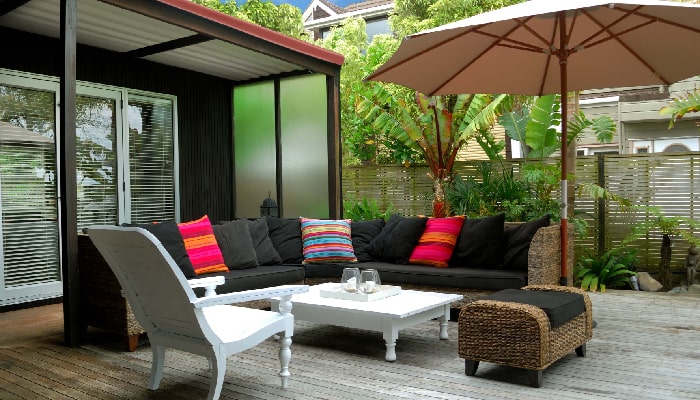
Stabilit America: Technology, Strength, Quality and Aesthetics for Every One of Your Projects
At Stabilit America, we design and manufacture materials that support your success from design through operation. Whether you are working on construction, remodeling or transportation projects, our focus on technology, innovation and real-world performance means:
- Strong, durable materials for demanding environments
- Products that deliver UV protection, thermal insulation, natural light, corrosion resistance or antimicrobial properties, depending on your needs
- A broad, compatible portfolio that makes it easier to specify the right solution
We manufacture fiberglass-reinforced polymer panels and polycarbonate sheets that can be integrated into virtually any modern construction project. Some of our key Stabilit America products include:
- Acrylit
- Glasliner
- Macrolux Multiwall
- Macrolux Rooflite
- Macrolux Solid
- Macrolux AM
- Opalit
- Resolite CR
- Polylit
- Acryloy CR
- Versalit
For interior and exterior walls, roofs, covers, skylights, canopies, luggage and cargo boxes, truck walls and more, Stabilit has a material that fits your needs.
Ready to discover which Stabilit America products are the best fit for your project?
Contact us to discuss your application, or explore our product pages to see how our materials can help you build stronger, cleaner and more efficient facilities.
FAQs About Stabilit America Products
To support better decision-making and enhance transparency, here are some frequently asked questions about Stabilit America products.
1. What industries are Stabilit America products best suited for?
Stabilit America products are widely used in:
- Industrial and manufacturing facilities
- Agricultural and livestock buildings
- Food and beverage processing plants
- Healthcare and institutional facilities
- Transportation and logistics (trailers, railcars, containers)
- Residential and commercial construction
Because we offer a range of FRP panels and polycarbonate sheets, you can select the Stabilit America product that matches the performance requirements of your specific industry.
2. Why should I choose Stabilit America products over traditional materials like metal or wood?
Traditional materials often struggle with:
- Corrosion and rust
- Rot, swelling or warping
- High maintenance and repainting costs
By contrast, many Stabilit America products offer:
- High corrosion resistance
- Excellent UV and weather resistance
- Long service life with low maintenance
- Tailored properties, like antimicrobial protection, high impact resistance, or walkable strength
Over the life of a project, this often results in a better cost-benefit ratio compared to traditional materials.
3. Are Stabilit America products certified or tested for safety and performance?
Yes. Many Stabilit America products are tested and certified by recognized organizations such as:
- ANSI National Accreditation Board
- Factory Mutual System (FM)
- Agriculture and Agri-Food Canada
These certifications provide external confirmation that our materials meet strict performance, safety and quality standards.
4. Can Stabilit America products be used in food-processing or hygienic environments?
Absolutely. Products like Glasliner and Macrolux AM are specifically developed for environments that require:
- Sanitary, easy-to-clean surfaces
- Resistance to moisture and cleaning chemicals
- In the case of Macrolux AM, built-in antimicrobial technology
These Stabilit America products help you meet hygiene standards while maintaining durability and light transmission.
5. How do I know which Stabilit America product is right for my project?
Start by identifying the key demands of your application:
- Corrosion and chemical exposure
- Required light transmission
- Fire performance and regulatory requirements
- Mechanical loads, impacts or foot traffic
- Hygiene and wash-down procedures
- Aesthetic and architectural goals
Then, review the product families below and select the Stabilit America products that align with your requirements. You can also contact our technical team for application-specific guidance.
Stabilit America Inc. is a leading North American manufacturer of fiberglass reinforced panels (FRP) and polycarbonate sheets, with over 65 years of experience. The company offers the widest range of acrylic, polyester, and polycarbonate laminates, backed by international certifications (USDA, Greenguard, FM, ISO 9001, among others), serving industries such as industrial construction, transportation, and sustainable building.