When renovating a patio, carport, or any outdoor living space, homeowners and remodeling contractors alike look for materials that combine durability, aesthetics, and ease of installation. Residential FRP panels have become an increasingly popular alternative to traditional options like galvanized metal or asphalt board, thanks to their performance against the elements and their low maintenance requirements.
Within this category, Opalit stands out as one of the well-known product lines for residential applications, offering corrugated panels made from fiberglass-reinforced material (FRP) with a gel-coat finish. Below, we walk through five factors that often influence the decision when comparing roofing and siding materials for the home.
1. Superior resistance to corrosion and deterioration
Unlike metal panels, which can rust over time, or asphalt board, which tends to warp, absorb moisture, and develop mold, Opalit panels do not corrode, rot, or delaminate. This characteristic matters most in humid climates or coastal areas, where constant exposure to moisture tends to shorten the lifespan of other building materials.
2. Lower heat buildup in interior spaces
Thermal comfort is one of the factors homeowners value most when choosing a covering for livable or semi-open spaces. Residential FRP panels help reduce heat buildup inside covered patios, laundry areas, and carports.
3. Simple installation and minimal maintenance
These panels install much like any traditional sheet material, making the process straightforward for remodeling contractors as well as homeowners taking on assisted installation projects. Once installed, maintenance is simple and requires only occasional cleaning. Opalit does not require painting or anti-corrosion treatments, helping reduce maintenance time and costs over the years.
4. Design flexibility for different settings
With a Clay Red exterior finish and an Almond-colored interior, Opalit offers a clean and attractive appearance for residential roofing applications. It is well suited for patios, terraces, laundry areas, garages, entrances, and storage areas, combining visual appeal with the durability and protection required for outdoor spaces.
5. Solid structural performance under wind loads
Thanks to their flexibility, these panels perform well under wind loads compared to more rigid materials. This is especially relevant in regions where climate conditions demand greater structural resistance in lightweight roofing, a factor often evaluated alongside panel weight and thickness for each project.
Where these panels are commonly used
The most common applications for this material include carports, covered patios, outdoor laundry areas, storage sheds, and country homes—spaces where the goal is a balance of function, aesthetics, and long-term durability.
For those evaluating options for these kinds of projects, the Opalit line within Stabilit America’s residential FRP panels offers technical specifications tailored specifically to residential use, including variations in thickness and profile depending on the required support spacing.
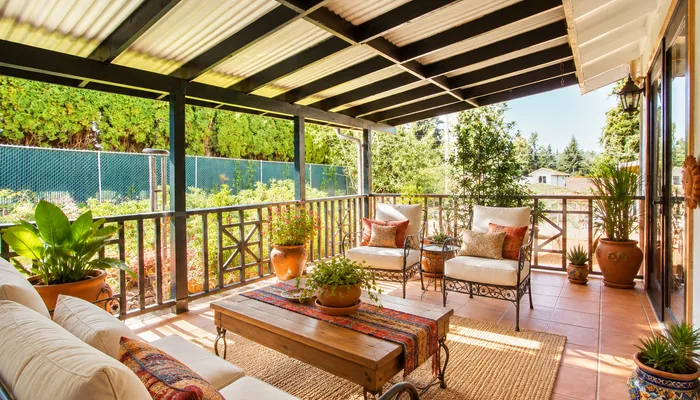
What to consider when choosing Opalit for your project
When selecting Opalit for a residential roofing project, consider the existing support structure, roof slope, panel dimensions, and the area you want to cover. Its lightweight construction can help simplify the supporting structure, while its GelCoat-protected exterior provides added durability and resistance to corrosion.
For proper performance, the roof design and installation conditions should also be reviewed before installation. We recommend a slope greater than 15%, and the specific product and installation guidelines should always be checked to ensure Opalit is suitable for the requirements of your project.
Frequently Asked Questions
Are residential FRP panels suitable for coastal areas?
Yes, their resistance to corrosion makes them a strong option for humid or coastal environments.
Do they require special maintenance?
No. Periodic cleaning is enough—they don’t need painting or additional anti-corrosion treatments.
Can they be installed over existing structures?
Their installation method is similar to traditional sheet materials, so they typically integrate into conventional structures without major modifications.

Stabilit America Inc. is a leading North American manufacturer of fiberglass reinforced panels (FRP) and polycarbonate sheets, with over 65 years of experience. The company offers the widest range of acrylic, polyester, and polycarbonate laminates, backed by international certifications (USDA, Greenguard, FM, ISO 9001, among others), serving industries such as industrial construction, transportation, and sustainable building.