In transportation, exterior walls are more than part of the vehicle’s appearance. They protect the truck body, support structural performance, and help preserve the long-term value of the unit.
Trailers, truck bodies, delivery vehicles, and ambulances face constant movement, weather exposure, moisture, vibration, impact, and daily loading activity. When exterior panels are not built for that level of demand, the result can be higher maintenance, faster surface deterioration, and more downtime for the fleet.
Steeliner fiberglass-reinforced plastic wall liners from Stabilit America are designed for exterior and interior truck body applications. Their lightweight composite construction, mechanical resistance, moisture protection, and easy-to-clean surface make them a practical solution for vehicles that operate under demanding conditions every day.
Why Steeliner panels are engineered for transportation
Fleet assets do not operate in controlled conditions. A trailer may move through sun, rain, humidity, cold storage environments, loading docks, rough roads, cleaning routines, and repeated handling within the same week. That constant exposure makes material selection critical.
Steeliner panels are manufactured for transportation uses where lightweight performance and durability need to work together. For trailers and truck bodies, reducing unnecessary weight matters because every component contributes to overall vehicle efficiency. At the same time, the panel must remain tough enough to resist impact, abrasion, moisture, and daily wear.
This is where fiberglass-reinforced polymer materials create a strong value proposition. They provide the strength-to-weight performance transportation teams need without adding avoidable complexity to the vehicle body. In plain business terms: less dead weight, more operational logic.
Benefits of Steeliner plastic wall coverings
Steeliner panels are designed to support transportation applications where long-term reliability, appearance, and maintenance efficiency matter. Their most relevant benefits include:
- Lightweight construction: Supports vehicle body efficiency without sacrificing panel performance.
- High impact and abrasion resistance: Helps panels withstand daily movement, handling, and transportation conditions.
- Moisture resistance: Useful for dry and refrigerated trailers exposed to humidity or cleaning routines.
- Rust and mildew resistance: Helps protect exterior panels from common issues associated with moisture-heavy environments.
- Superior weathering properties: Supports long-term exterior performance under sun, rain, and changing conditions.
- Easy cleaning: Helps fleets maintain a professional appearance with less maintenance friction.
- Low maintenance cost: Reduces pressure on maintenance teams over the vehicle’s service life.
- Trouble-free service and long lifetime: Supports transportation assets that need to stay productive, not parked for avoidable repairs.
These benefits are directly aligned with the needs of transportation fleets, where every maintenance event has a real cost in time, scheduling, and asset availability.
Where Steeliner adds the most value
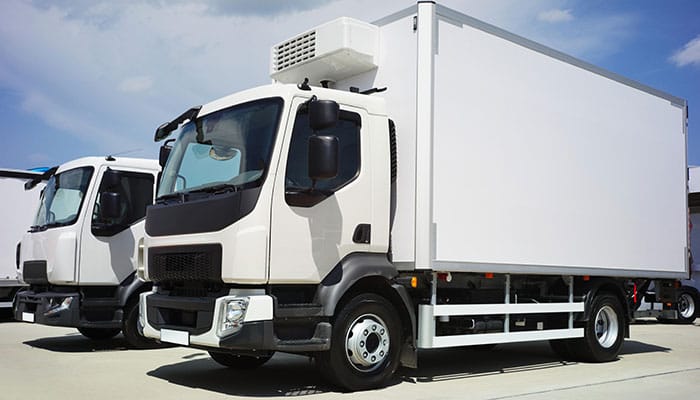
Steeliner plastic wall liners are especially valuable for dry trailers, refrigerated trailers, truck bodies, ambulances, delivery vehicles, and other transportation applications. Across all these uses, the priority is the same: protecting interior and exterior walls from impact, moisture, abrasion, and daily wear while helping preserve the vehicle’s appearance, cleanliness, and long-term service life.
Exterior walls in dry and refrigerated trailers
Dry and refrigerated trailers need exterior wall panels that can handle motion, weather exposure, temperature changes, and daily logistics activity. In refrigerated applications, moisture and condensation can increase the need for materials that resist rust, mildew, and surface degradation.
Steeliner helps address those demands with a durable exterior surface designed for truck bodies and trailers. Its resistance to moisture, impact, and abrasion makes it a practical option for fleets that need exterior panels capable of supporting demanding transportation cycles.
For fleet owners, this is not only about panel strength. It is about keeping trailers in better condition, reducing unnecessary maintenance interventions, and protecting the professional image of the fleet on the road.
Interior wall liners for dry and refrigerated trailers
Interior walls in transportation units face constant impact from cargo movement, loading equipment, cleaning routines, moisture, and temperature changes. In refrigerated trailers, these conditions can be even more demanding because condensation and repeated sanitation increase the need for surfaces that resist corrosion, chemicals, and daily wear.
Steeliner interior wall liners provide a lightweight, fiberglass-reinforced plastic solution designed to improve durability without adding unnecessary weight to the vehicle body. Their high impact resistance, dimensional stability, chemical resistance, and easy-to-clean surface make them suitable for dry trailers, refrigerated units, delivery vehicles, and other commercial transportation applications.
For fleet operators, durable interior wall panels help protect the vehicle structure, simplify cleaning, reduce maintenance requirements, and extend the useful life of the unit. The result is an interior that remains functional, presentable, and ready for repeated service under demanding transportation conditions.
Roofs for delivery trucks, ambulances, and transport units
Roofs on transportation units are exposed to UV radiation, rain, wind, road vibration, overhead contact risks, and repeated cleaning. A weak roof panel can become a liability because even minor deterioration can affect appearance, maintenance planning, and vehicle availability.
Steeliner roof panels are built with a special acrylic gelcoat that supports longer protection against UV radiation and helps maintain an excellent aesthetic appearance over time. That matters for delivery trucks, ambulances, and transport units where exterior condition is part of brand perception and operational confidence.
In these applications, the panel must do more than look good when installed. It must keep performing after miles of movement, exposure, and daily service.
Choosing transportation panels beyond upfront cost
In fleet management, the lowest initial material cost does not always deliver the best long-term value. If a wall liner requires frequent repairs, loses its appearance quickly, or performs poorly against impact, moisture, abrasion, or cleaning chemicals, the apparent savings can disappear over the life of the vehicle.
Steeliner fiberglass-reinforced plastic wall liners support a life-cycle approach by combining lightweight construction, durability, moisture resistance, impact performance, and easy cleaning. These qualities help dry trailers, refrigerated units, truck bodies, delivery vehicles, and ambulances remain protected, presentable, and productive.
For fleet operators, the right interior and exterior wall covering becomes part of the asset strategy. It helps reduce maintenance demands, protect the vehicle body, preserve a professional appearance, and extend the useful service life of the unit.
When transportation projects require durable plastic wall liners built for demanding operating conditions, Steeliner from Stabilit America provides a reliable solution for fleets that need performance on the road and value over time.
Sources consulted:
- https://blog.fibergrate.com/blog/quick-guide-frp-uv-resistance-performance
- https://www.westernstatesmetalroofing.com/blog/fiberglass-roof-panels
- https://www.creativecompositesgroup.com/industries-products/building-architecture-solutions/industrial-roofing-siding

Stabilit America Inc. is a leading North American manufacturer of fiberglass reinforced panels (FRP) and polycarbonate sheets, with over 65 years of experience. The company offers the widest range of acrylic, polyester, and polycarbonate laminates, backed by international certifications (USDA, Greenguard, FM, ISO 9001, among others), serving industries such as industrial construction, transportation, and sustainable building.