In transportation, exterior walls are more than part of the vehicle’s appearance. They protect the truck body, support structural performance, and help preserve the long-term value of the unit.
Trailers, truck bodies, delivery vehicles, and ambulances face constant movement, weather exposure, moisture, vibration, impact, and daily loading activity. When exterior panels are not built for that level of demand, the result can be higher maintenance, faster surface deterioration, and more downtime for the fleet.
Steeliner fiberglass-reinforced plastic wall liners from Stabilit America are designed for exterior and interior truck body applications. Their lightweight composite construction, mechanical resistance, moisture protection, and easy-to-clean surface make them a practical solution for vehicles that operate under demanding conditions every day.
Why Steeliner panels are engineered for transportation
Fleet assets do not operate in controlled conditions. A trailer may move through sun, rain, humidity, cold storage environments, loading docks, rough roads, cleaning routines, and repeated handling within the same week. That constant exposure makes material selection critical.
Steeliner panels are manufactured for transportation uses where lightweight performance and durability need to work together. For trailers and truck bodies, reducing unnecessary weight matters because every component contributes to overall vehicle efficiency. At the same time, the panel must remain tough enough to resist impact, abrasion, moisture, and daily wear.
This is where fiberglass-reinforced polymer materials create a strong value proposition. They provide the strength-to-weight performance transportation teams need without adding avoidable complexity to the vehicle body. In plain business terms: less dead weight, more operational logic.
Benefits of Steeliner plastic wall coverings
Steeliner panels are designed to support transportation applications where long-term reliability, appearance, and maintenance efficiency matter. Their most relevant benefits include:
- Lightweight construction: Supports vehicle body efficiency without sacrificing panel performance.
- High impact and abrasion resistance: Helps panels withstand daily movement, handling, and transportation conditions.
- Moisture resistance: Useful for dry and refrigerated trailers exposed to humidity or cleaning routines.
- Rust and mildew resistance: Helps protect exterior panels from common issues associated with moisture-heavy environments.
- Superior weathering properties: Supports long-term exterior performance under sun, rain, and changing conditions.
- Easy cleaning: Helps fleets maintain a professional appearance with less maintenance friction.
- Low maintenance cost: Reduces pressure on maintenance teams over the vehicle’s service life.
- Trouble-free service and long lifetime: Supports transportation assets that need to stay productive, not parked for avoidable repairs.
These benefits are directly aligned with the needs of transportation fleets, where every maintenance event has a real cost in time, scheduling, and asset availability.
Where Steeliner adds the most value
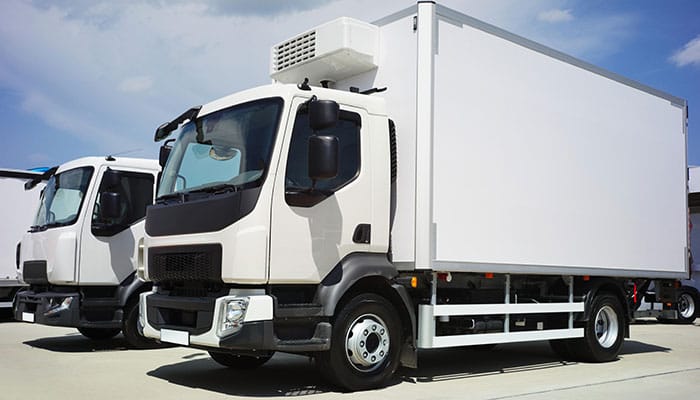
Steeliner plastic wall liners are especially valuable for dry trailers, refrigerated trailers, truck bodies, ambulances, delivery vehicles, and other transportation applications. Across all these uses, the priority is the same: protecting interior and exterior walls from impact, moisture, abrasion, and daily wear while helping preserve the vehicle’s appearance, cleanliness, and long-term service life.
Exterior walls in dry and refrigerated trailers
Dry and refrigerated trailers need exterior wall panels that can handle motion, weather exposure, temperature changes, and daily logistics activity. In refrigerated applications, moisture and condensation can increase the need for materials that resist rust, mildew, and surface degradation.
Steeliner helps address those demands with a durable exterior surface designed for truck bodies and trailers. Its resistance to moisture, impact, and abrasion makes it a practical option for fleets that need exterior panels capable of supporting demanding transportation cycles.
For fleet owners, this is not only about panel strength. It is about keeping trailers in better condition, reducing unnecessary maintenance interventions, and protecting the professional image of the fleet on the road.
Interior wall liners for dry and refrigerated trailers
Interior walls in transportation units face constant impact from cargo movement, loading equipment, cleaning routines, moisture, and temperature changes. In refrigerated trailers, these conditions can be even more demanding because condensation and repeated sanitation increase the need for surfaces that resist corrosion, chemicals, and daily wear.
Steeliner interior wall liners provide a lightweight, fiberglass-reinforced plastic solution designed to improve durability without adding unnecessary weight to the vehicle body. Their high impact resistance, dimensional stability, chemical resistance, and easy-to-clean surface make them suitable for dry trailers, refrigerated units, delivery vehicles, and other commercial transportation applications.
For fleet operators, durable interior wall panels help protect the vehicle structure, simplify cleaning, reduce maintenance requirements, and extend the useful life of the unit. The result is an interior that remains functional, presentable, and ready for repeated service under demanding transportation conditions.
Roofs for delivery trucks, ambulances, and transport units
Roofs on transportation units are exposed to UV radiation, rain, wind, road vibration, overhead contact risks, and repeated cleaning. A weak roof panel can become a liability because even minor deterioration can affect appearance, maintenance planning, and vehicle availability.
Steeliner roof panels are built with a special acrylic gelcoat that supports longer protection against UV radiation and helps maintain an excellent aesthetic appearance over time. That matters for delivery trucks, ambulances, and transport units where exterior condition is part of brand perception and operational confidence.
In these applications, the panel must do more than look good when installed. It must keep performing after miles of movement, exposure, and daily service.
Choosing transportation panels beyond upfront cost
In fleet management, the lowest initial material cost does not always deliver the best long-term value. If a wall liner requires frequent repairs, loses its appearance quickly, or performs poorly against impact, moisture, abrasion, or cleaning chemicals, the apparent savings can disappear over the life of the vehicle.
Steeliner fiberglass-reinforced plastic wall liners support a life-cycle approach by combining lightweight construction, durability, moisture resistance, impact performance, and easy cleaning. These qualities help dry trailers, refrigerated units, truck bodies, delivery vehicles, and ambulances remain protected, presentable, and productive.
For fleet operators, the right interior and exterior wall covering becomes part of the asset strategy. It helps reduce maintenance demands, protect the vehicle body, preserve a professional appearance, and extend the useful service life of the unit.
When transportation projects require durable plastic wall liners built for demanding operating conditions, Steeliner from Stabilit America provides a reliable solution for fleets that need performance on the road and value over time.
Sources consulted:
- https://blog.fibergrate.com/blog/quick-guide-frp-uv-resistance-performance
- https://www.westernstatesmetalroofing.com/blog/fiberglass-roof-panels
- https://www.creativecompositesgroup.com/industries-products/building-architecture-solutions/industrial-roofing-siding

Stabilit America Inc. is a leading North American manufacturer of fiberglass reinforced panels (FRP) and polycarbonate sheets, with over 65 years of experience. The company offers the widest range of acrylic, polyester, and polycarbonate laminates, backed by international certifications (USDA, Greenguard, FM, ISO 9001, among others), serving industries such as industrial construction, transportation, and sustainable building.
As modern architecture continues to prioritize not only aesthetics but also functionality, indoor environmental quality (IEQ) has become a central consideration in building design. Among its key components, acoustic performance plays a critical role in improving comfort, productivity, and overall user experience.
In this context, fiberglass acoustic panels have emerged as the preferred solution for effective sound control. Their ability to absorb noise efficiently while maintaining durability makes them a benchmark in both commercial and residential applications.
What are fiberglass acoustic panels, and how do they work?
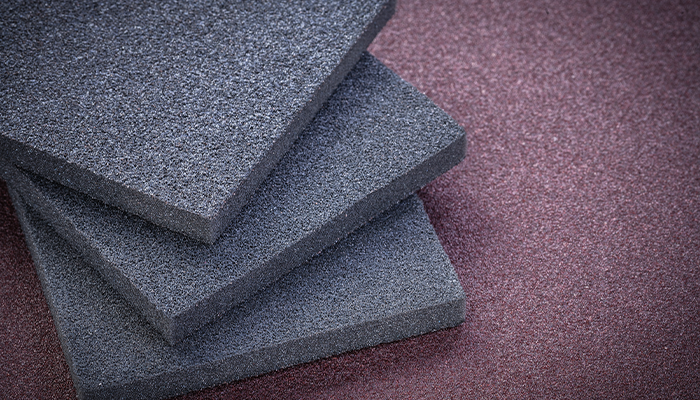
Fiberglass acoustic panels are sound-absorbing systems made from fine glass fibers arranged in a porous structure. This structure allows sound waves to penetrate the material, where they are dissipated as heat through friction, rather than being reflected into the environment.
The effectiveness of these panels is commonly measured using the Noise Reduction Coefficient (NRC), which indicates how much sound a material can absorb. Fiberglass panels consistently achieve high NRC ratings, making them one of the most efficient solutions available.
Why does fiberglass outperform other acoustic materials?
Superior sound absorption (high NRC performance)
One of the main reasons fiberglass acoustic panels are considered the gold standard is their high sound absorption capacity. Compared to materials such as foam or wood, fiberglass provides a more consistent and reliable acoustic performance across a wider range of frequencies.
This makes them ideal for environments where controlling reverberation and echo is essential.
Consistent performance across frequencies
Unlike some alternative materials that perform well only at specific frequencies, fiberglass acoustic panels deliver balanced absorption across low, mid, and high frequencies. This ensures a more uniform acoustic environment.
Durability and long-term stability
Fiberglass panels are resistant to moisture, temperature changes, and general wear. This allows them to maintain their acoustic properties over time, even in demanding environments.
Fire resistance and safety compliance
Fiberglass is inherently non-combustible, which makes these panels suitable for projects with strict fire safety requirements. This is particularly important in commercial and public buildings.
Applications across architectural and commercial spaces
Office environments and workspaces
In offices, controlling noise levelsis essential for productivity and concentration. Fiberglass acoustic panels help reduce distractions by minimizing sound reflections and improving speech clarity.
Educational institutions
Classrooms and lecture halls benefit significantly from improved acoustics. By reducing echo and background noise, fiberglass panels enhance communication between instructors and students.
Healthcare facilities
In hospitals and clinics, noise control contributes to patient recovery and staff efficiency. Fiberglass acoustic panels create quieter, more controlled environments.
Residential and mixed-use spaces
As urban living spaces become denser, sound control is increasingly important in homes and apartments. The use of FRP in residential projects continues to grow, and fiberglass acoustic panels complement these solutions by enhancing comfort and livability.
Fiberglass acoustic panels and indoor environmental quality (IEQ)
Acoustic comfort is a key component of IEQ, alongside factors such as air quality, lighting, and thermal comfort. Poor acoustics can lead to stress, reduced productivity, and communication challenges.
By integrating fiberglass acoustic panels into building design, architects, and engineers can significantly improve the overall indoor environment, creating spaces that are not only functional but also comfortable and efficient.
Why do industry leaders rely on fiberglass solutions?
The growing adoption of fiberglass acoustic panels reflects a broader shift toward performance-driven materials. Their combination of acoustic efficiency, durability, and safety makes them a strategic choice for modern construction.
Companies focused on advanced composite solutions, such as https://www.stabilitamerica.com/, continue to drive innovation in this space, offering materials that meet the evolving demands of architectural and industrial applications.
Redefining acoustic performance in modern design
Fiberglass acoustic panels have established themselves as the gold standard for noise reduction due to their unmatched performance and versatility. As buildings become more complex and user-focused, the demand for effective acoustic solutions will only continue to grow.
Their ability to enhance indoor environmental quality while maintaining durability positions them as a key component in the future of architectural design.
Frequently asked questions
Are fiberglass acoustic panels better than foam panels?
Yes, fiberglass panels typically offer higher NRC ratings and more consistent performance across different frequencies.
Do fiberglass acoustic panels require maintenance?
They require minimal maintenance and retain their performance over time under normal conditions.
Can fiberglass acoustic panels be used in homes?
Yes, they are increasingly used in residential spaces to improve comfort and reduce noise pollution.
Sources consulted:
- https://www.acousticalsurfaces.com/blog/acoustics-education/fiberglass-acoustic-panels/
- https://packsound.in/blog/fiberglass-acoustic-insulation/
- https://desound.ae/fiberglass-panels-for-high-performance-acoustics/
Stabilit America Inc. is a leading North American manufacturer of fiberglass reinforced panels (FRP) and polycarbonate sheets, with over 65 years of experience. The company offers the widest range of acrylic, polyester, and polycarbonate laminates, backed by international certifications (USDA, Greenguard, FM, ISO 9001, among others), serving industries such as industrial construction, transportation, and sustainable building.
Innovation in advanced materials is accelerating across industries, and few developments are gaining as much attention as carbon fiber reinforced polymer (CFRP). As demand grows for lighter, stronger, and more durable solutions, CFRP continues to emerge as a key driver in the evolution of FRP composites.
Within the broader landscape of FRP composites news, CFRP stands out for its ability to redefine structural performance across sectors such as construction, aerospace, and energy. Its increasing adoption reflects a shift toward materials engineered not just for strength but for long-term efficiency and sustainability.
What is CFRP, and why does it matter in FRP composites news?
Carbon fiber reinforced polymer (CFRP) is a composite material made by embedding carbon fibers within a polymer matrix, typically epoxy resin. This combination results in a material that offers exceptional tensile strength while maintaining a significantly lower weight compared to traditional materials like steel.
What makes CFRP particularly relevant in current FRP composites news is its performance under demanding conditions. It resists corrosion, fatigue, and environmental degradation, making it ideal for applications where reliability is critical.
As industries move toward more efficient and durable solutions, CFRP is no longer considered a niche material but a strategic component in modern engineering.
Why is CFRP gaining traction across industries?
Aerospace and transportation innovation
The aerospace sector has been one of the earliest adopters of CFRP due to its high strength-to-weight ratio. Aircraft manufacturers use it to reduce overall weight, improve fuel efficiency, and enhance structural integrity.
This trend is now expanding into automotive and rail systems, where reducing weight directly translates into energy savings and improved performance.
Infrastructure and construction transformation
In construction, CFRP is being used to reinforce concrete structures, extend the lifespan of bridges, and improve seismic resistance in buildings. Unlike steel, it does not corrode, which significantly reduces maintenance requirements over time.
This shift is increasingly highlighted in FRP composites news, as infrastructure projects prioritize lifecycle cost efficiency over initial investment.
Energy and industrial applications
From wind turbine blades to oil and gas facilities, CFRP is playing a growing role in energy infrastructure. Its resistance to harsh environmental conditions makes it suitable for applications exposed to extreme temperatures, chemicals, and mechanical stress.
Industries that once relied heavily on metal components are now transitioning toward composite solutions to improve reliability and reduce operational risks.
Key advantages driving CFRP adoption
Superior strength-to-weight ratio
CFRP offers a unique balance between strength and weight, outperforming many conventional materials. This allows for lighter structures without compromising load-bearing capacity.
Corrosion resistance and durability
Unlike metals, CFRP does not rust or degrade when exposed to moisture or chemicals. This makes it particularly valuable in environments where long-term performance is essential.
Design flexibility
CFRP can be engineered into complex shapes and structures, enabling innovative design solutions that are not possible with traditional materials.
Low maintenance requirements
The durability of CFRP reduces the need for frequent repairs or protective treatments, lowering overall lifecycle costs.
CFRP within the broader FRP ecosystem
While CFRP represents the high-performance end of composite materials, it exists within a wider ecosystem that includes solutions such as FRP panels, which are widely used in industrial and commercial environments for their balance of cost, durability, and ease of installation.
Together, these materials demonstrate the versatility of FRP composites, offering tailored solutions depending on structural and environmental requirements.
The role of innovation and FRP manufacturers
The rapid evolution of CFRP technologies is largely driven by continuous innovation from leading FRP manufacturers, who are investing in advanced production processes and material formulations.
These developments are improving performance and making CFRP more accessible across industries. As production scales and costs become more competitive, adoption is expected to accelerate even further.
CFRP as a cornerstone of next-generation materials
CFRP is no longer a specialized material limited to high-end applications. It is becoming a foundational element in the future of engineering, driven by the need for stronger, lighter, and more durable solutions.
As highlighted across FRP composites news, the shift toward advanced composites is reshaping how industries approach design, safety, and long-term performance. CFRP, in particular, stands at the forefront of this transformation.
Frequently asked questions
Is CFRP stronger than steel?
Yes, CFRP can offer higher tensile strength than steel while being significantly lighter, making it ideal for performance-driven applications.
Is CFRP expensive compared to other materials?
While the initial cost can be higher, its durability and low maintenance often result in lower lifecycle costs.
Where is CFRP most commonly used?
It is widely used in aerospace, automotive, construction, and energy sectors, especially in applications requiring high strength and low weight.
Sources consulted:
- https://blog.fibergrate.com/blog/applications-fiberglass-reinforced-plastic-grating
- https://www.futuremarketinsights.com/reports/frp-grating-market?utm_source=chatgpt.com
- https://en.wikipedia.org/wiki/Fiberglass_reinforced_plastic_grating
Stabilit America Inc. is a leading North American manufacturer of fiberglass reinforced panels (FRP) and polycarbonate sheets, with over 65 years of experience. The company offers the widest range of acrylic, polyester, and polycarbonate laminates, backed by international certifications (USDA, Greenguard, FM, ISO 9001, among others), serving industries such as industrial construction, transportation, and sustainable building.
Finding the right FRP suppliers is a critical step in any construction or industrial project that relies on fiberglass reinforced plastic materials. Quality, consistency, and technical support all depend on the supplier you choose.
With growing demand for durable, low-maintenance building materials, FRP has become a go-to solution across multiple industries. This guide explains what to look for in FRP suppliers, how manufacturers differ from distributors, and why supplier selection directly impacts project success.
What do FRP suppliers provide?
FRP suppliers offer fiberglass reinforced plastic products used for wall systems, cladding, ceilings, and protective surfaces. These products are designed to perform in environments where moisture, chemicals, and heavy use are common.
Typical offerings include:
- FRP wall and ceiling panels.
- Trims, moldings, and accessories.
- Custom panel solutions.
- Technical documentation and installation guidance.
Not all suppliers offer the same level of expertise or product range, which is why careful evaluation is essential.
Suppliers vs. manufacturers: Understanding the difference
It’s important to distinguish between suppliers and FRP manufacturers. While the terms are often used interchangeably, they play different roles.
FRP manufacturers
Manufacturers produce FRP materials in controlled facilities. They are responsible for product design, quality control, and material consistency. Working directly with manufacturers often provides:
- Factory-level quality assurance.
- Access to custom specifications.
- Technical expertise and product development support.
- Reliable long-term supply.
Distributors and resellers
Distributors source products from manufacturers and make them available locally or in smaller quantities. They can be helpful for quick availability, but may offer limited customization or technical support.
For large or specialized projects, partnering directly with manufacturers is often the better choice.
Key industries that rely on FRP suppliers
FRP suppliers serve a wide range of markets where performance and durability are critical, including:
- Commercial and industrial construction.
- Food processing and sanitary facilities.
- Healthcare and clean environments.
- Transportation and logistics.
- Agriculture and storage facilities.
Across these sectors, FRP panels are chosen for their resistance to moisture, corrosion, and impact.
What to look for when evaluating FRP suppliers
Choosing the right supplier goes beyond pricing. Key factors to consider include:
Product quality and consistency
High-quality FRP panels should meet performance standards for strength, moisture resistance, and durability. Consistency across batches is especially important for large projects.
Range of solutions
The best suppliers offer more than just panels. Complete systems including trims and accessories simplify installation and improve long-term performance.
Manufacturing capability
Suppliers with in-house manufacturing capabilities have greater control over quality, lead times, and customization options.
Technical support
Reliable suppliers provide installation guidance, documentation, and responsive technical assistance.
Distribution and availability
A strong distribution network ensures materials arrive on time and projects stay on schedule.
Why FRP panels are in high demand
The popularity of FRP panels continues to grow due to their practical advantages:
- Long service life.
- Low maintenance requirements.
- Resistance to moisture and chemicals.
- Lightweight construction.
- Cost efficiency over time.
These benefits make FRP an attractive option for both new construction and renovation projects.
How Stabilit America sets itself apart as an FRP supplier
Stabilit America is recognized as one of the largest producers of fiberglass reinforced plastic panels in the market. Their role as both a manufacturer and supplier allows them to deliver consistent quality at scale.
By combining manufacturing expertise with a broad distribution network, Stabilit supports projects of all sizes across commercial and industrial sectors. Their focus on quality, innovation, and customer support reinforces their position as a trusted FRP supplier.
Questions to ask before selecting an supplier
Before making a decision, consider asking:
- Does the supplier manufacture their own products?
- Can they support custom or large-scale orders?
- Do they offer technical guidance and documentation?
- Is their supply chain reliable and scalable?
Clear answers to these questions help reduce risk and improve project outcomes.
Choosing the right FRP supplier matters
Selecting the right FRP suppliers can make a significant difference in project performance, timelines, and long-term value. While distributors may offer convenience, working directly with experienced FRP manufacturers often provides better quality control and technical support.
For projects that demand reliable materials and consistent performance, established suppliers like Stabilit America deliver the expertise and scale needed to succeed. Their high-quality FRP panels are designed to meet the challenges of modern construction and industrial environments.
Frequently asked questions
What types of customers typically work with FRP suppliers?
FRP suppliers commonly work with contractors, architects, engineers, facility managers, and industrial buyers. These professionals rely on FRP materials for projects that require durability, hygiene, and long-term performance.
Is it better to buy FRP products directly from manufacturers?
For large-scale or specialized projects, working directly with FRP manufacturers often provides better quality control, customization options, and technical support. Distributors may be suitable for smaller or standard orders.
How can I verify the quality of FRP panels from a supplier?
You can evaluate quality by reviewing product specifications, certifications, manufacturing processes, and consistency across batches. Reputable suppliers are transparent about testing standards and performance data for their FRP panels.
Do FRP suppliers offer custom solutions?
Many established suppliers and manufacturers offer custom panel sizes, finishes, and system components. Customization is especially common in industrial, sanitary, and architectural applications.
What role does distribution play when choosing an FRP supplier?
A strong distribution network helps ensure reliable lead times and consistent availability. Suppliers with nationwide or regional distribution capabilities are better equipped to support ongoing or multi-site projects.
How does working with an experienced supplier reduce project risk?
Experienced FRP suppliers understand real-world installation challenges and performance requirements. Their guidance helps prevent material mismatches, delays, and costly rework during construction.
Sources consulted:
- https://creative-fibrotech.com/how-to-select-the-right-frp-product/
- https://www.unicomposite.com/frp-companies-vs-traditional-manufacturers-what-sets-them-apart/
- https://www.all-leader.com/blogs/how-to-choose-an-frp-manufacturer-and-supplier
Stabilit America Inc. is a leading North American manufacturer of fiberglass reinforced panels (FRP) and polycarbonate sheets, with over 65 years of experience. The company offers the widest range of acrylic, polyester, and polycarbonate laminates, backed by international certifications (USDA, Greenguard, FM, ISO 9001, among others), serving industries such as industrial construction, transportation, and sustainable building.
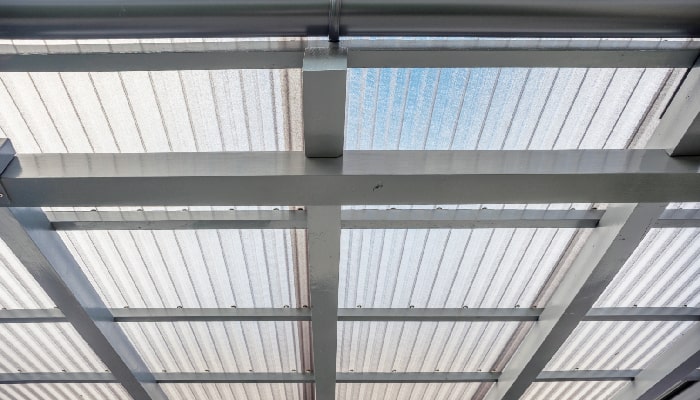
It is highly beneficial and enjoyable when buildings or facilities successfully harness natural light to improve the experience of a building or space. From windows to canopies and ceilings, transparency, and the way sunlight is directed or diffused, enhances the experience of a place. Good use of sunlight turns four walls into a stage where the outside and the inside seem to come together. This is what you can achieve if you have the right transparent roofing sheets at your disposal. Not to mention the energy savings–and environmental benefits–from not needing all that artificial lighting!
Transparent roofing sheets are the answer: take advantage of sunlight and save
Some roofing products have become very popular as a result of offering advanced features while also providing an aesthetic plus to any space. A great example of this are transparent roofing sheets. Although they can be made with different materials, there are some technologies that have prevailed and proven superior…we will talk more about that later. Nevertheless, light transmission remains the key feature why these types of roofing materials are chosen for construction projects.
Transparent sheets are very popular in architecture and design, because they provide a soft and diffused lighting effect without the need for harsh artificial lights. Also, by bringing in exterior light, they create an increased sensation of space.
While these types of sheets have become popular for the creation of translucent roofs–especially for shopping malls, greenhouses, skylights, industrial spaces or as a tool to execute certain designs–there exist many more uses and applications. For example, they can be used as wall panels or dividers that still let some light through. The agricultural sector has found many uses for them.
If you are interested in all kinds of structures that take advantage of sunlight, you can also check out our content about translucent roofs for transportation solutions.
As opposed to other materials, translucent panels can work together with other products/technologies. They are easy to handle and combine well with different types of surfaces. Project managers like them because they come in different sizes and profiles, multiple different materials, and different formats. You can find the exact sheet that fits your ideal construction solution!
Some of the general features / benefits of transparent panels include:
- Excellent cost-benefit ratio
- Greater affordability than other materials
- Corrosion resistance
- Great performance in high-humidity environments
- Savings in electricity because sunlight is used to illuminate interior spaces
- Greater lifespan than other competing products
- Some products include UV protection–such as Acrylit and Macrolux sheets from Stabilit America
What materials are used to make transparent roofing sheets?
As previously mentioned, these products come in different shapes and sizes, so the materials used to produce transparent roofing sheets are varied. It is common for them to combine fiberglass, polycarbonate, polyester and different kinds of resins, although some raw materials stand out:
- Acrylic: It is highly weather resistant and also performs as an electrical insulator. Lightness and long life are two of its greatest advantages.
- Polycarbonate resin: Adds lightness and endurance, clarity and light transmission.
- Fiberglass resin: It is composed of numerous fine glass fibers, and its usual role is to reinforce other materials.
What are Stabilit’s transparent sheets?
Of course, Stabilit America offers transparent sheets that fit your structures. Some of their features are:
- Impact resistance and ability to withstand exposure to chemicals
- Acoustic insulation
- Discoloration resistance
- Resistance to corrosion and rust
- General durability
Stabilit has six brands of transparent sheets–that come in different formats, with varied colors, profiles, lengths, caliber, thickness and width.
Macrolux
So strong they can be called “virtually unbreakable,” Macrolux can even be used as security glass. Macrolux Multiwall sheets are made with a high-tech polycarbonate resin and a protective coating to make them resistant to UV rays.
In addition to being strong and impact-resistant, Macrolux sheets resist acid rain, transmit natural light very efficiently, are fire-retardant and even have thermal and acoustic insulation features. You can find the solution you need in Macrolux Multiwall.
For greenhouses, ceilings and canopies, Macrolux Rooflite is 250 times stronger than glass–and UV and weather resistant–but light, easy to handle and easy to install.
Acrylit
These sheets are oriented to industrial use. They are made with 100% acrylic resin and fiberglass is added for strength. They can diffuse natural light up to 95%, reducing perceived gloom in interior spaces. Acrylit products are finished with Gelcoat on both sides, making them more resistant and durable.
Polylit
When you need a strong cover that can be quickly and easily installed, Polylit fits the bill. Made with polyester reinforced with fiberglass, Polylit sheets can be installed using conventional means. These sheets are fit for outdoor conditions and are chemical-resistant.
Macrolux AM
Antimicrobial panels can help reduce microbes and bacteria on surfaces by 99.9%. They also effectively transmit light, which benefits plant growth in agricultural applications. If your project needs to meet FDA standards for consumable product processing, Macrolux Anti-Microbial is a proven solution that has a solid track record of getting the job done.
Tred-Safe
A walkable fiberglass panel, Tred-Safe can be trusted to be super tough. It is designed to support foot traffic and is corrosion resistant. UL fire rated, weatherproof and UV stabilized, it is highly durable and not prone to degradation. Tred-Safe is made from high quality resin with fiberglass reinforcement and a protective coating.
Acrylit for greenhouses
Delicate plants need to catch sunlight from multiple angles to optimize their growth and keep them stress-free. Acrylit for greenhouses is strong, impact resistant, and works well with the chemical products usually present in greenhouse environments. Its 95% diffused light transmission, in the right wavelengths to support plant-growth, make it the perfect partner to promote plant growth.
Product choice and installation matter
At Stabilit America we use advanced technologies and strict quality control to deliver products that get the job done for the long haul. But keep in mind that durability and effectiveness also depend greatly on matching the right materials to the right situation, and proper installation. This is why you should consider your needs carefully–product performance and environmental resistance–and choose the product that is the best fit for your project.
FAQs
What are transparent roofing sheets used for?
Transparent roofing sheets are commonly used in greenhouses, commercial roofs, canopies, skylights, and industrial settings where natural light and visibility are important.
Are all transparent sheets UV resistant?
Not all. High-quality options like Macrolux and Acrylit include UV protection layers that extend the product’s lifespan and performance.
Which transparent sheet should I use for an industrial setting?
Acrylit or Tred-Safe panels are ideal for industrial use due to their strength, durability, and chemical resistance.
Do these panels help save on energy costs?
Yes, by reducing reliance on artificial lighting, transparent panels lower electricity use and support sustainability goals.
Where can I find transparent sheet options from trusted FRP manufacturers?
You can explore transparent sheet options from one of the leading FRP manufacturers in the market.
Stabilit America Inc. is a leading North American manufacturer of fiberglass reinforced panels (FRP) and polycarbonate sheets, with over 65 years of experience. The company offers the widest range of acrylic, polyester, and polycarbonate laminates, backed by international certifications (USDA, Greenguard, FM, ISO 9001, among others), serving industries such as industrial construction, transportation, and sustainable building.