In the construction industry—where ambitious designs meet complex execution—keeping everyone safe on-site is not just a priority, it’s a non-negotiable obligation. Construction safety rules exist to protect lives, maintain compliance, and preserve the reputation and continuity of the companies involved.
With Stabilit America at the forefront of providing high-quality, safer building elements like FRP panels, we’re here to walk you through the essential construction safety rules that safeguard workers, support regulatory compliance, and help you design projects where safety is built in from day one.
Important Safety Rules in the Construction Industry
Safety in construction is never about a single rule or one “weak link”—it’s a system of construction safety rules that work together to protect everyone on the job site. These rules cover everything from PPE (personal protective equipment) to rigorous inspections, training programs and the selection of safer building materials.
Some of the most important construction safety rules include:
Wearing Personal Protective Equipment (PPE)
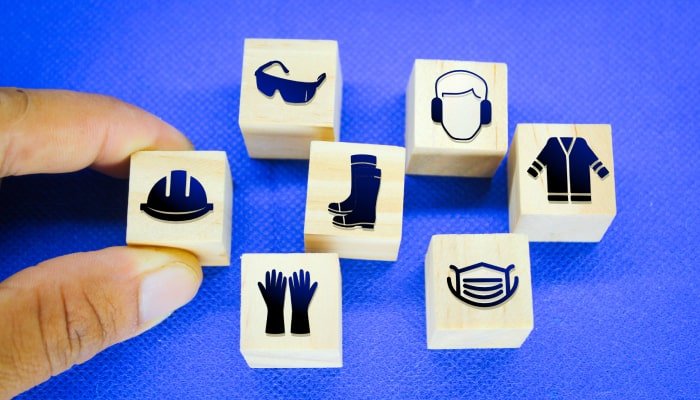
Putting on the right PPE is the first line of defense against on-site hazards. Complying with PPE requirements is not just about checking a box—it’s a visible commitment to safeguarding the well-being of your team.
Essential elements include:
- Helmets to protect against falling objects
- Safety glasses or face shields to guard against dust, debris and chemical splashes
- Gloves suited to the task (cut-resistant, chemical-resistant, etc.)
- Sturdy, slip-resistant footwear to prevent slips, trips and puncture injuries
- Hearing protection in high-noise areas
- High-visibility clothing where vehicle or equipment traffic is present
Consistently applying these construction safety rules reduces the severity and frequency of common on-site incidents.
Regular Training
Mastery of safety protocols isn’t achieved in a single session—it’s cultivated over time through continuous training. Robust construction safety rules require that teams stay up to date on:
- New hazards and site-specific risks
- Safe work procedures and emergency protocols
- Changes in regulations or standards
- Proper use of tools, equipment and materials (including safer systems like FRP panels)
Ongoing toolbox talks, refreshers and scenario-based drills ensure every team member is competent in identifying hazards and applying the right controls before an incident occurs.
Clear Signage and Communication
Effective signage does more than signal danger—it communicates critical information that guides split-second decisions. As part of your construction safety rules, signage should:
- Highlight restricted areas, fall hazards and overhead work
- Mark safe access routes and emergency exits
- Identify locations of first-aid kits, fire extinguishers and emergency equipment
Clear, standardized signage and simple visual communication (such as color coding and pictograms) act as silent sentinels, helping crews navigate a complex site while staying safe.
Culture of Safety
Real construction safety rules go beyond written procedures. They are reflected in:
- Supervisors modeling safe behavior
- Workers feeling empowered to stop work when they see unsafe conditions
- Rapid reporting and correction of near-misses and hazards
- Recognition and reinforcement of safe practices
At Stabilit America, we understand that integrating these construction safety rules with the use of safer building elements—like corrosion-resistant, fire-performance-oriented FRP panels—not only supports structural performance but also strengthens the overall safety envelope of your project.
Application of Safety Regulations on Construction Sites
The proper application of construction safety rules is systematic and requires diligent oversight. Good intentions aren’t enough—safety must be planned, documented and consistently enforced.
Key elements of applying safety regulations include:
Comprehensive Safety Plan
Every project should begin with a written safety plan that:
- Identifies key hazards (falls, electrical, confined spaces, heavy equipment, etc.)
- Defines control measures (guardrails, lockout/tagout, fall protection, etc.)
- Specifies roles and responsibilities (who inspects, who trains, who reports)
- Outlines emergency procedures and communication protocols
This plan turns high-level construction safety rules into a practical roadmap for day-to-day operations.
Safety Meetings and Drills
Regular safety meetings, pre-task briefings and emergency drills:
- Keep construction safety rules visible and top of mind
- Provide space to discuss site-specific risks as conditions change
- Allow workers to raise concerns and share lessons learned from near-misses
These activities ensure that safety is not just “in the manual” but actively practiced and continuously improved.
Inspection and Maintenance of Tools, Equipment and Materials
Another core application of construction safety rules is thorough inspection and maintenance of:
- Tools and machinery (ensuring guards are in place, controls function correctly and equipment is fit for use)
- Scaffolding, ladders and access equipment (checked regularly for structural integrity and proper setup)
- Temporary and permanent building elements, including FRP panels and polycarbonate systems known for their durability and safety benefits
Using robust, reliable materials like FRP panels from Stabilit America reduces the likelihood of failures that could compromise both construction safety rules and long-term building performance.
Preventing Accidents in Construction
In any construction project, preventing accidents is an ongoing, proactive effort that goes beyond basic compliance. Effective construction safety rules require an integrated approach that blends foresight with action.
This approach doesn’t just minimize risks—it seeks to systematically eliminate them wherever possible, creating a work environment where safety is woven into every task.
Risk Assessment
Accident prevention begins with a meticulous risk assessment. This process:
- Identifies hazards at each project phase (design, excavation, structural work, finishing, etc.)
- Analyzes likelihood and potential severity of incidents
- Prioritizes controls according to the hierarchy of controls (elimination, substitution, engineering controls, administrative controls, PPE)
By building risk assessment into your construction safety rules, you create a safety blueprint that anticipates and controls hazards before work begins.
Safety Equipment Beyond PPE
While PPE is essential, modern construction safety rules also emphasize engineering out hazards through safer materials and systems.
For example:
- FRP panels from Stabilit America contribute to safer environments thanks to their:
- High strength and impact resistance
- Enhanced fire performance in selected formulations
- Resistance to corrosion and moisture, reducing long-term structural degradation
- Using non-corroding, fire-performance-oriented materials can prevent failures that might otherwise lead to injuries or emergencies.
In other words, your choice of materials—such as FRP panels and polycarbonate systems—becomes a practical part of your construction safety rules.
Emergency Preparedness
A strong set of construction safety rules always includes a robust emergency preparedness plan. This plan should:
- Define site-specific emergency scenarios (fire, structural failure, medical emergency, severe weather)
- Detail roles, responsibilities and communication channels
- Include drills so that responses are practiced, not improvised
- Integrate building elements—like resilient FRP and polycarbonate panels—that help maintain structural integrity during emergencies
When structures incorporate durable, fire-resistant and impact-resistant materials, crews can often respond more safely and efficiently to unforeseen events.
By combining risk assessment, safer equipment and robust emergency planning, you move beyond a minimalist approach and build a comprehensive system in which construction safety rules are fully integrated into daily operations.
Take Action for Safety
The essence of construction safety rules goes far beyond regulatory checklists. It’s about building a safer future for every worker, subcontractor and visitor who steps onto your site.
Embracing these rules is a pledge to:
- Uphold the well-being of every individual on your worksite
- Integrate stringent safety protocols into planning, execution and maintenance
- Select high-quality materials—such as FRP panels from Stabilit America—that align with your safety and performance goals
- Foster a safety culture where everyone has a voice and a responsibility
By doing so, you help shape a construction industry where success is measured not only by schedules and budgets but also by the absence of injuries and the protection of human life.
At Stabilit America, our commitment to safety is unwavering. By choosing materials that support your construction safety rules, we help strengthen the protective measures that shield teams from the unexpected.
For insights into how our products—such as FRP panels and polycarbonate systems—can enhance your project’s safety profile, contact us. Remember: safety is a shared journey. Together, we can build not only impressive structures, but also a legacy of safety, care and responsibility.
Frequently Asked Questions (FAQs)
1. What are the most important construction safety rules on a job site?
Some of the most important construction safety rules include:
- Mandatory use of appropriate PPE (helmets, safety glasses, gloves, protective footwear, hearing protection).
- Regular training and toolbox talks to keep safety procedures current.
- Clear signage and communication to identify hazards, safe routes and emergency equipment.
- Routine inspections of tools, equipment, scaffolding and materials.
- A documented safety plan that addresses site-specific risks and emergency procedures.
Together, these construction safety rules create multiple layers of protection for workers.
2. Why are construction safety rules so critical in the industry?
Construction remains one of the highest-risk industries. Construction safety rules are critical because they:
- Reduce the likelihood and severity of injuries and fatalities.
- Help companies comply with regulations and standards.
- Protect equipment, materials and project timelines from accident-related disruptions.
- Support a strong safety culture, which improves morale and productivity.
Consistent application of construction safety rules is essential for both ethical and business reasons.
3. How do FRP panels support construction safety rules?
FRP panels support construction safety rules by:
- Offering high impact resistance, reducing the chance of breakage or failure.
- Providing enhanced fire performance in specific product lines.
- Resisting corrosion and moisture, which helps maintain structural integrity over time.
- Reducing the need for frequent repairs that might expose crews to additional hazards.
By choosing stable, durable materials such as Stabilit America’s FRP panels, you integrate safety directly into the structure itself.
4. What role does training play in construction safety rules?
Training is a cornerstone of effective construction safety rules because it:
- Ensures workers understand hazards and how to control them.
- Reinforces proper use of PPE, tools and equipment.
- Keeps teams updated on changes in procedures, site conditions and regulations.
- Builds confidence in recognizing unsafe situations and speaking up when something is wrong.
Without ongoing training, even well-written construction safety rules will not be applied consistently.
5. How can a construction company improve its safety culture?
A company can strengthen its safety culture and better apply construction safety rules by:
- Having leaders and supervisors model safe behavior at all times.
- Encouraging workers to report hazards and near-misses without fear of punishment.
- Recognizing and rewarding safe practices.
- Investing in safer materials and technologies, such as FRP panels and polycarbonate systems that enhance structural safety.
When safety is visibly prioritized, construction safety rules become part of the daily routine—not just a formality.
6. What should be included in an emergency plan for a construction site?
An emergency plan that supports your construction safety rules should include:
- Clear evacuation routes and assembly points.
- Procedures for fire, medical emergencies, structural incidents and severe weather.
- Defined roles and responsibilities for supervisors, first responders and workers.
- Up-to-date contact information for emergency services.
- Regular drills to ensure everyone knows how to respond quickly and safely.
Integrating robust emergency planning with strong construction safety rules helps protect your team when the unexpected happens.

Stabilit America Inc. is a leading North American manufacturer of fiberglass reinforced panels (FRP) and polycarbonate sheets, with over 65 years of experience. The company offers the widest range of acrylic, polyester, and polycarbonate laminates, backed by international certifications (USDA, Greenguard, FM, ISO 9001, among others), serving industries such as industrial construction, transportation, and sustainable building.