For fleet managers and trailer builders, the choice of body material is not a minor detail: it defines maintenance costs, usable payload, and vehicle lifespan. For years, steel and aluminum were the default choice, but a third material has been gaining ground in the transportation industry: corrosion-resistant truck body panels made from FRP (fiberglass-reinforced polyester resin).
Below, we objectively examine five benefits that explain why more fleet operators and trailer manufacturers are evaluating them.
1. Superior corrosion resistance
Steel, even galvanized steel, is vulnerable to rust once paint or coating gets scratched through daily use: road salt, moisture, gravel impacts, and cargo chemicals. Aluminum handles surface oxidation better, but it is prone to galvanic corrosion when it contacts other metals or fasteners. FRP panels, on the other hand, don’t rust because their composition isn’t metallic: the resin and fiberglass don’t react to moisture or deicing salts, which substantially reduces visible deterioration over time.
2. Lower weight without sacrificing mechanical strength
For the transportation business unit, vehicle weight can have a direct impact on fuel consumption and overall transportation efficiency. Steeliner combines lightweight construction with high mechanical and impact resistance, providing a durable solution for dry and refrigerated truck bodies. Its low weight can also contribute to reduced transportation costs and improved fuel efficiency over time.
3. More predictable total cost of ownership
Initial installation price doesn’t always reflect a material’s real cost. Metal surfaces may require additional maintenance over time to address corrosion, coating wear, or surface damage. Because FRP panels resist corrosion and require low maintenance, they can help reduce maintenance costs over the vehicle’s lifecycle—an important consideration for fleets managing multiple units and projecting long-term operating expenses.
4. Dimensional stability for dry and refrigerated truck bodies
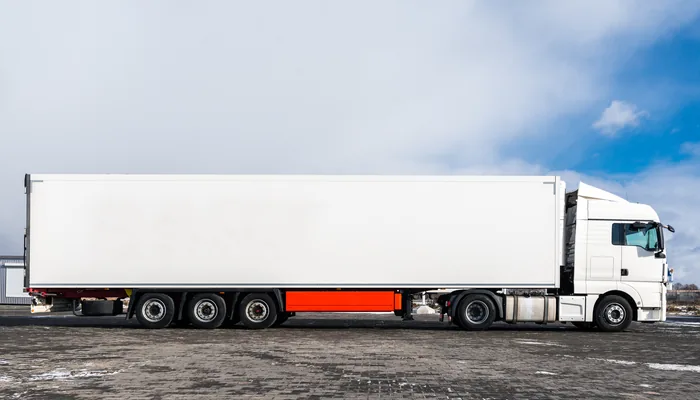
Dry and refrigerated truck bodies can be exposed to significant temperature changes throughout their routes, from cold-storage conditions to intense outdoor heat and UV exposure. Steeliner is designed for these demanding transportation applications, offering dimensional stability, corrosion resistance, and UV protection that help preserve the panel’s performance and appearance over time.
Its specialized formulation makes it suitable for interior and exterior applications in dry and refrigerated bodies, helping reduce the effects of temperature changes, moisture, and weather exposure while supporting long-term durability.
5. Resistance to vibration and demanding transport conditions
Steeliner offers solutions designed for different areas of dry and refrigerated truck bodies. For subfloor applications, its high tensile strength helps reduce vibrations and prevent fractures, while its resistance to impact, moisture, chemicals, and extreme ambient temperatures supports performance under demanding transportation conditions.
Steel, aluminum, or FRP? The decision that can change your cost per mile
When comparing FRP transportation panels, including corrosion-resistant truck body panels, with traditional materials such as steel and aluminum, factors such as corrosion resistance, weight, thermal performance, and long-term maintenance costs can make a meaningful difference over the life of a fleet. The right choice will depend on your operation, route conditions, application requirements, and budget—but having clear technical information is essential to making an informed decision.
If you’re evaluating alternatives for dry or refrigerated truck bodies, we can help you compare materials based on your specific needs. Contact our team to review your application and see how our Steeliner solutions compare with the materials you’re currently using.
Frequently Asked Questions
Do FRP panels rust over time?
No. Since it isn’t a metallic material, FRP doesn’t rust; its corrosion resistance holds up even in environments with road salt or high humidity.
Is Steeliner heavier or lighter than steel?
Steeliner is considerably lighter than steel, helping reduce overall vehicle weight and improve transportation efficiency.
What maintenance does a Steeliner panel require?
Periodic cleaning with water and detergent is recommended. Because Steeliner is corrosion-resistant, it does not require the same corrosion-related maintenance as traditional metal surfaces
Can it be used for both subfloors and sidewalls?
Yes. Steeliner is available in specific solutions for subfloors, interior and exterior walls, and translucent roofs for dry and refrigerated truck bodies, each designed for different performance requirements.
How is Steeliner installed?
It’s installed using special adhesives, rivets, or both, depending on the application and system requirements. Always follow the recommended installation guidelines to help ensure proper performance. If you have questions about your specific project, contact our team and we’ll help you determine the best installation approach.

Stabilit America Inc. is a leading North American manufacturer of fiberglass reinforced panels (FRP) and polycarbonate sheets, with over 65 years of experience. The company offers the widest range of acrylic, polyester, and polycarbonate laminates, backed by international certifications (USDA, Greenguard, FM, ISO 9001, among others), serving industries such as industrial construction, transportation, and sustainable building.