As construction and industrial design continue to evolve, the demand for materials that combine strength, durability, and efficiency has grown significantly. One solution that stands out is FRP pultruded profiles. These advanced composite components are widely used in structural applications where traditional materials like steel, aluminum, or wood may fall short.
For companies like Stabilit America, known among leading FRP suppliers, pultruded profiles represent a step beyond surface solutions such as FRP panels, offering structural performance, corrosion resistance, and long-term reliability.
This guide explains what FRP pultruded profiles are, how they are made, and why they are becoming essential in modern construction and industrial environments.
What are FRP pultruded profiles?
FRP pultruded profiles are structural shapes made from fiberglass-reinforced plastic (FRP) using a manufacturing process called pultrusion. This process involves pulling continuous strands of fiberglass through a resin bath and then through a heated die to create a specific shape.
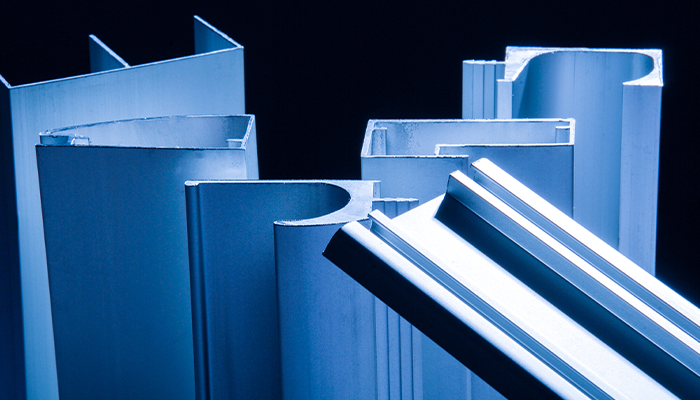
The result is a strong, lightweight, and highly durable profile with consistent mechanical properties. These profiles can be manufactured in various shapes, including:
- Beams.
- Channels.
- Angles.
- Tubes.
- Grating supports.
Unlike traditional materials, FRP pultruded profiles are engineered for performance in environments where corrosion, moisture, or chemical exposure is a concern.
How the pultrusion process works
The pultrusion process is key to understanding why these profiles perform so well. It is a continuous manufacturing method that ensures uniform quality and structural consistency.
First, fiberglass reinforcements are saturated with a thermosetting resin, typically polyester, vinyl ester, or epoxy. These resin-soaked fibers are then pulled through a heated die, which shapes and cures the material simultaneously.
Because the fibers are aligned in the direction of the pull, FRP pultruded profiles achieve high tensile strength and excellent load-bearing capacity. This directional strength is one of the main reasons they are used in structural applications.
Key benefits of FRP pultruded profiles
High strength-to-weight ratio
One of the biggest advantages of FRP pultruded profiles is their strength relative to their weight. They are significantly lighter than steel or aluminum, yet they can support comparable loads in many applications. This makes them easier to transport, handle, and install.
Corrosion and chemical resistance
Unlike metal, FRP pultruded profiles do not rust or corrode. They are highly resistant to chemicals, moisture, and harsh environmental conditions. This makes them ideal for industries such as wastewater treatment, chemical processing, and marine applications.
Low maintenance
Because they do not corrode or degrade easily, FRP pultruded profiles require minimal maintenance over time. There is no need for painting, coating, or frequent repairs, which reduces long-term operational expenses.
Electrical and thermal insulation
FRP materials are non-conductive, making FRP pultruded profiles a safe option for environments where electrical insulation is required. They also have low thermal conductivity, which can be beneficial in temperature-sensitive applications.
Design flexibility
The pultrusion process allows manufacturers to create profiles in a wide range of shapes and sizes. This flexibility enables engineers and designers to select the exact profile required for their application without compromising performance.
Common applications of FRP pultruded profiles
Industrial structures
In industrial environments, FRP pultruded profiles are used for platforms, walkways, handrails, and support structures. Their resistance to corrosion and chemicals makes them especially valuable in harsh conditions.
Infrastructure and construction
These profiles are increasingly used in bridges, building frameworks, and reinforcement systems. Their lightweight nature reduces structural load, while their durability ensures long-term performance.
Marine and coastal applications
Saltwater environments are highly corrosive to traditional materials. FRP pultruded profiles provide an excellent alternative, offering long-lasting performance without the need for protective coatings.
Electrical and utility installations
Because they are non-conductive, FRP pultruded profiles are often used in electrical infrastructure, cable management systems, and utility structures where safety is critical.
FRP pultruded profiles vs. traditional materials
When compared to steel, aluminum, or wood, FRP pultruded profiles offer several clear advantages. Steel is strong but heavy and prone to corrosion. Aluminum is lighter but can still corrode and is often pricier. Wood is easy to work with but lacks durability in harsh environments.
In contrast, FRP pultruded profiles combine strength, lightweight properties, and resistance to environmental damage. This makes them a more reliable and cost-effective solution over time.
Why Stabilit America is a trusted partner
As one of the leading FRP suppliers, Stabilit America brings extensive expertise in composite materials, from surface solutions like FRP panels to advanced structural components such as pultruded profiles.
Their commitment to innovation, quality, and performance ensures that customers receive materials designed to meet the demands of modern construction and industrial applications.
The future of structural composites
FRP pultruded profiles are redefining what is possible in construction and industrial design. With their combination of strength, durability, and resistance to harsh environments, they offer a compelling alternative to traditional materials.
As industries continue to seek more efficient and long-lasting solutions, FRP pultruded profiles will play an increasingly important role in shaping the future of structural engineering.
Frequently asked questions
Can FRP pultruded profiles replace metal components completely?
In many applications, yes. While each project must be evaluated individually, FRP pultruded profiles often serve as effective alternatives to steel or aluminum, especially where corrosion resistance and weight reduction are priorities.
Do FRP pultruded profiles require protective coatings?
No, one of their advantages is that they do not require painting or protective coatings. Their resistance is built into the material itself, which reduces maintenance over the lifespan of the structure.
Are FRP pultruded profiles customizable for specific projects?
Yes, they can be manufactured in various shapes, sizes, and resin formulations. This allows engineers to tailor the profiles to meet specific structural and environmental requirements.
Sources consulted:
- https://www.creativecompositesgroup.com/what-is-frp
- https://pt.avient.com/resource-center/knowledge-base/article/pultruded-composites-design-and-material-engineers-guide
- https://incomepultrusion.com/what-is-pultruded-frp-composite/

Stabilit America Inc. is a leading North American manufacturer of fiberglass reinforced panels (FRP) and polycarbonate sheets, with over 65 years of experience. The company offers the widest range of acrylic, polyester, and polycarbonate laminates, backed by international certifications (USDA, Greenguard, FM, ISO 9001, among others), serving industries such as industrial construction, transportation, and sustainable building.