When it comes to construction and interior design, wall coverings play a significant role in both aesthetics and functionality. Fiberglass-reinforced plastic (FRP) wall coverings are increasingly popular in industries that require durable, moisture-resistant, and easy-to-maintain surfaces.
Whether it’s for a hospital, laboratory, commercial kitchen, or industrial facility, FRP wall coverings offer a practical and efficient solution to meet the specific needs of these environments.
For Stabilit America, providing FRP wall coverings aligns with the company’s commitment to offering high-performance, versatile materials designed to withstand the most demanding conditions. This article explores the many benefits and applications, showcasing how they can improve the quality and longevity of wall systems in various industries.
What are FRP wall coverings?
FRP wall coverings are high-strength, low-maintenance panels made from fiberglass reinforced plastic. These panels are designed to be installed on interior walls to provide a durable, moisture-resistant surface. Available in various sizes, textures, and colors, offer versatility to fit any design or function.
One of the key benefits of FRP wall coverings is their ability to resist damage from water, chemicals, and physical impacts. This makes them ideal for environments that require easy-to-clean, long-lasting surfaces that can withstand frequent use and harsh conditions.
Key benefits of FRP wall coverings
Superior durability
FRP wall coverings are known for their exceptional durability. The fiberglass reinforced plastic construction provides resistance to cracking, warping, and general wear and tear. This makes FRP panels ideal for high-traffic areas, including hospitals, laboratories, and industrial kitchens, where walls are subjected to frequent impacts and heavy cleaning.
Moisture and mold resistance
One of the standout features of FRP wall coverings is their resistance to moisture and mold growth. Unlike traditional materials like drywall or wood, FRP panels do not absorb water, preventing issues such as swelling, mold, or mildew. This is particularly important in environments like kitchens and medical facilities, where maintaining a hygienic, dry environment is critical.
Easy to maintain and clean
In environments where cleanliness and hygiene are paramount, such as hospitals, laboratories, and commercial kitchens, FRP wall coverings provide a smooth, non-porous surface that is easy to clean. Spills, stains, and other contaminants can be wiped off with minimal effort, ensuring a consistently clean and safe environment.
Unlike traditional wall materials, FRP panels do not require extensive maintenance or frequent painting, which helps save time and money in the long run.
Common applications for FRP wall coverings
Hospitals and healthcare facilities
In hospitals and healthcare settings, hygiene is of utmost importance. FRP wall coverings offer the perfect solution by creating walls that are resistant to water, chemicals, and bacteria. Their easy-to-clean surface makes them ideal for operating rooms, patient rooms, and corridors, ensuring that healthcare facilities maintain high standards of cleanliness and safety.
Laboratories and clean rooms
FRP wall coverings are commonly used in laboratories and clean rooms where contamination and cleanliness are a concern. The smooth, non-porous surface helps to prevent the buildup of dirt and bacteria, and the panels can be easily wiped down to meet the rigorous cleaning standards required in these environments.
Commercial kitchens
In commercial kitchens, where walls are regularly exposed to grease, water, and harsh cleaning agents, FRP wall coverings are a reliable and long-lasting option. They are resistant to the corrosive effects of oils, fats, and other kitchen chemicals, providing a durable and easy-to-clean surface that helps maintain a sanitary environment.
Industrial facilities
In industrial settings, walls are often exposed to harsh chemicals, heavy equipment, and constant physical wear. FRP panels are designed to handle these demanding conditions. Their impact resistance, moisture protection, and ease of maintenance make them an ideal choice for factories, warehouses, and production areas where durability and low maintenance are crucial.
Why choose FRP wall coverings from Stabilit America?
As one of the leading FRP manufacturers, Stabilit America offers high-quality FRP wall coverings designed to meet the needs of various industries. With years of experience in the production of fiberglass reinforced plastic products, Stabilit is committed to delivering solutions that provide superior durability, ease of maintenance, and performance.
Whether you’re outfitting a healthcare facility, commercial kitchen, or industrial space, Stabilit America provides FRP wall coverings that are built to withstand the test of time and deliver long-lasting protection for your walls.
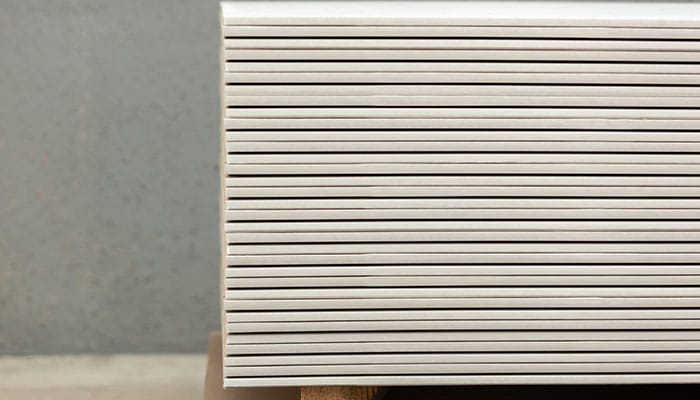
The benefits of FRP wall coverings
FRP wall coverings are an essential solution for industries that require durability, hygiene, and ease of maintenance. From hospitals and laboratories to commercial kitchens and industrial facilities, FRP panels offer unparalleled performance in challenging environments.
With Stabilit America’s range of high-quality FRP wall coverings, you can trust that your space will remain clean, safe, and durable for years to come. Whether you’re looking to install new wall coverings or replace outdated materials, FRP panels provide the best combination of performance, longevity, and cost-effectiveness.
Frequently asked questions
What are FRP wall coverings made of?
FRP wall coverings are made from fiberglass-reinforced plastic. This material combines fiberglass strands with a plastic resin, providing a durable, moisture-resistant, and easy-to-clean surface ideal for high-humidity environments.
Where are FRP wall coverings commonly used?
FRP wall coverings are commonly used in environments that require durability and hygiene, such as hospitals, laboratories, commercial kitchens, food processing plants, and industrial facilities. They are ideal for high-traffic, moisture-prone areas.
How do FRP wall coverings compare to traditional materials like drywall or tile?
Unlike drywall, which can absorb moisture and lead to mold, FRP wall coverings are completely water-resistant. They are more durable than tile, which can crack or require grout maintenance, and they are easier to clean, providing a seamless, low-maintenance surface.
Are FRP wall coverings easy to install?
Yes, FRP wall coverings are easy to install, often requiring less labor time than traditional materials. The panels are lightweight and can be quickly fixed to the wall using adhesives or screws, minimizing installation costs and downtime.
Do FRP wall coverings require special maintenance?
No, FRP wall coverings are very low maintenance. They do not require sealing, painting, or special treatments. Regular cleaning with a mild detergent or disinfectant is typically all that’s needed to keep them looking new and functioning properly.
Are FRP wall coverings resistant to chemicals?
Yes, FRP wall coverings are highly resistant to a wide range of chemicals, including acids, alkalis, oils, and detergents. This makes them ideal for environments like industrial plants, laboratories, and commercial kitchens, where exposure to harsh chemicals is common.
Why should I choose Stabilit America for FRP wall coverings?
Stabilit America offers high-quality FRP wall coverings designed for superior durability, moisture resistance, and ease of maintenance. With years of expertise and a range of customizable options, Stabilit America is a trusted choice for industries that require high-performance materials.
Sources consulted:
- https://www.oceanfrp.com/frp-walls-guide-to-durability-design-applications/
- https://speculativechic.com/frp-wall-board/
- https://incomepultrusion.com/product/commercial-frp-wall-panels/

Stabilit America Inc. is a leading North American manufacturer of fiberglass reinforced panels (FRP) and polycarbonate sheets, with over 65 years of experience. The company offers the widest range of acrylic, polyester, and polycarbonate laminates, backed by international certifications (USDA, Greenguard, FM, ISO 9001, among others), serving industries such as industrial construction, transportation, and sustainable building.