Concerns around material safety are becoming increasingly relevant across industries, especially when it comes to widely used composites like fiberglass. Questions such as “Is fiberglass dangerous?” are common among professionals and consumers alike, often driven by uncertainty about exposure, handling, and long-term effects.
While fiberglass is a highly versatile and reliable material, understanding its real risks—and how to manage them—is essential. When properly handled and installed, fiberglass products are considered safe and effective for a wide range of applications.
What is fiberglass, and where is it used?
Fiberglass is a composite material made from fine glass fibers embedded in a polymer matrix. It is widely used in construction, industrial environments, and commercial applications due to its strength, lightweight properties, and resistance to corrosion.
Common uses include insulation, structural components, and surface solutions such as fiberglass panels, which are valued for their durability and ease of maintenance in demanding environments.
Is fiberglass dangerous to health?
Skin irritation and physical contact
Direct contact with fiberglass can cause temporary skin irritation. The tiny glass fibers may create itching or redness, particularly during installation or handling of raw materials.
However, this is typically a short-term effect and can be easily prevented with protective clothing such as gloves and long sleeves.
Inhalation risks during installation
When fiberglass is cut, drilled, or manipulated, small airborne particles can be released. Inhaling these particles may cause irritation in the nose, throat, or respiratory system.
To mitigate this risk, proper ventilation and the use of protective masks or respirators are recommended, especially in enclosed spaces.
Long-term exposure considerations
Modern fiberglass products are designed to meet strict safety standards. Once installed, fiberglass materials are stable and do not release harmful particles under normal conditions.
In finished applications, the fibers are typically encapsulated within resin systems, significantly reducing any risk of exposure.
How to handle fiberglass safely
Use appropriate protective equipment
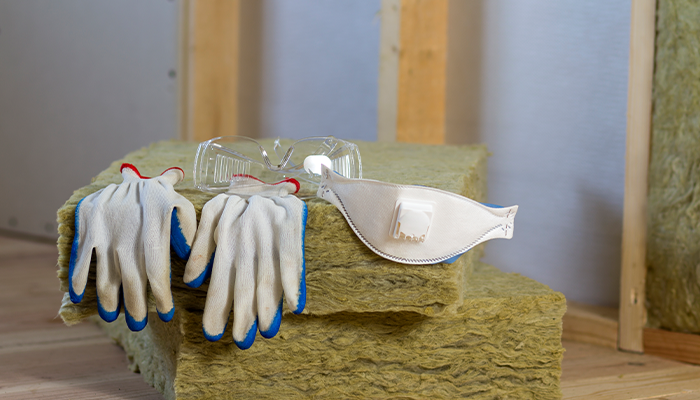
Personal protective equipment (PPE) such as gloves, safety glasses, and masks should be used when cutting or installing fiberglass materials.
Ensure proper ventilation
Working in well-ventilated areas helps reduce the concentration of airborne particles and improves overall safety.
Follow manufacturer guidelines
Each fiberglass product is designed with specific handling recommendations. Following these guidelines ensures both safety and optimal performance.
For more information on safe and reliable fiberglass solutions, you can refer directly to industry leaders such as https://www.stabilitamerica.com/, where product standards and applications are clearly defined.
Why does fiberglass remain a trusted material?
Despite common concerns, fiberglass continues to be widely used across industries because of its proven performance and safety when handled correctly.
Its resistance to corrosion, moisture, and chemicals makes it a long-lasting alternative to traditional materials like wood or metal. Additionally, its lightweight nature simplifies installation and reduces structural load.
These advantages, combined with proper handling practices, position fiberglass as a safe and efficient material in both industrial and commercial environments.
Separating myth from reality
The question “Is fiberglass dangerous?” often stems from misunderstanding rather than actual risk. While there are minor hazards associated with improper handling, these can be effectively managed through basic safety measures.
In real-world applications, fiberglass is a stable, durable, and safe material that continues to support modern construction and industrial innovation.
Frequently asked questions
Is fiberglass harmful after installation?
No, once installed, fiberglass is stable and does not pose health risks under normal conditions.
Can fiberglass cause long-term health problems?
There is no strong evidence linking properly handled fiberglass to serious long-term health issues. Most effects are temporary and related to exposure during installation.
How can I avoid irritation when working with fiberglass?
Using gloves, long sleeves, and masks, along with proper ventilation, can effectively prevent irritation.
Sources consulted:
- https://doh.wa.gov/community-and-environment/air-quality/indoor-air/fiberglass
- https://www.cdc.gov/niosh/fibrous-glass/about/index.html
- https://dustcontrol.com/news/the-dangers-of-fibreglass-dust-and-how-to-stay-safe/

Stabilit America Inc. is a leading North American manufacturer of fiberglass reinforced panels (FRP) and polycarbonate sheets, with over 65 years of experience. The company offers the widest range of acrylic, polyester, and polycarbonate laminates, backed by international certifications (USDA, Greenguard, FM, ISO 9001, among others), serving industries such as industrial construction, transportation, and sustainable building.