When projects require natural light, weather protection, and long-term durability, Suntuf panels are a widely recognized solution. Known for their strength and light transmission, these polycarbonate panels are commonly used in outdoor, agricultural, and industrial environments where performance matters as much as appearance.
This article explains what Suntuf panels are, where they are used, their main benefits, and how they compare to other exterior panel solutions.
What are Suntuf panels?
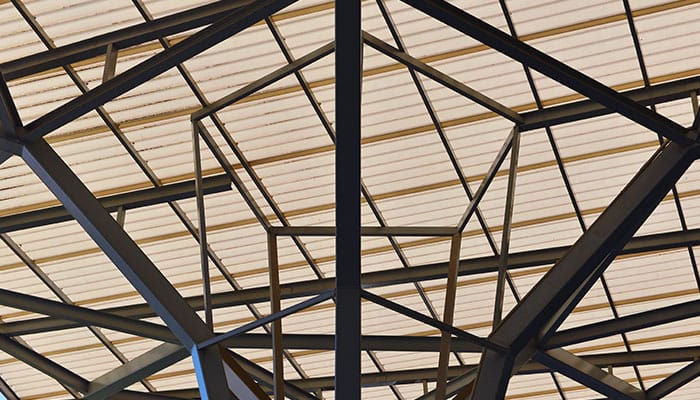
Suntuf panels are corrugated polycarbonate panels designed primarily for roofing and exterior applications. They allow natural daylight to pass through while protecting structures from rain, UV exposure, and impact.
Because polycarbonate is significantly stronger than many traditional plastics, Suntuf panels are often chosen for projects that need a balance between transparency and toughness.
They are commonly used in:
- Patio covers and pergolas.
- Agricultural structures.
- Industrial roofing and siding.
- Canopies and walkways.
- Storage and utility buildings.
Why Suntuf panels are popular for exterior projects
High impact resistance
One of the main advantages of Suntuf panels is their strength. Polycarbonate panels can withstand impacts from hail, debris, and harsh weather conditions far better than fiberglass or acrylic alternatives.
This makes them a reliable option for outdoor installations exposed to the elements.
UV protection and light transmission
Suntuf panels are designed to transmit natural light while blocking harmful UV rays. This helps protect people, equipment, and materials beneath the panels while still creating bright, usable spaces.
In agricultural or industrial settings, access to daylight can improve visibility and reduce reliance on artificial lighting.
Weather and moisture resistance
Polycarbonate does not absorb moisture and performs well in humid or rainy environments. Suntuf panels maintain their structural integrity over time, even with constant exposure to weather changes.
Common applications for Suntuf panels
Suntuf panels are frequently specified in projects where durability and daylighting are key priorities:
- Agricultural barns and livestock shelters.
- Greenhouses and plant propagation areas.
- Industrial loading areas and equipment covers.
- Outdoor storage facilities.
- Commercial canopies and awnings.
In these environments, panels must resist weather, provide protection, and support efficient operations.
Suntuf panels vs. other exterior panel óptions
When selecting exterior panels, it’s helpful to understand how Suntuf panels compare to other materials.
Suntuf panels vs. fiberglass panels
Fiberglass panels are lightweight and cost-effective, but they can become brittle or discolor over time. Polycarbonate Suntuf panels generally offer higher impact resistance and longer service life.
Suntuf panels vs. exterior FRP panels
Exterior FRP panels are commonly used for wall cladding rather than roofing. They excel in durability, chemical resistance, and long-term performance on vertical surfaces. Suntuf panels, by contrast, are better suited for roofing and overhead applications where light transmission is important.
Suntuf panels vs. metal roofing
Metal roofing provides excellent strength but blocks natural light. Suntuf panels offer a lighter, translucent alternative that brightens spaces without sacrificing protection.
Installation considerations for Suntuf panels
Proper installation is essential to maximize the performance of Suntuf panels. Key considerations include.
- Allowing for thermal expansion and contraction.
- Using compatible fasteners and accessories.
- Ensuring correct panel overlap and slope.
- Following manufacturer guidelines for spacing and support.
Correct installation helps prevent issues such as cracking, leaks, or premature wear.
How Suntuf panels fit into broader building systems
While Suntuf panels are primarily used for roofing, they are often part of larger exterior systems that include wall cladding and protective panels.
In many projects, translucent roofing is combined with solid wall systems such as FRP or metal panels. This combination allows buildings to benefit from natural light while maintaining durable, easy-to-maintain walls.
Working with experienced FRP manufacturers and panel suppliers helps ensure compatibility across different materials and systems.
Choosing the right panel supplier matters
Not all panels perform the same way. Quality, consistency, and technical support are critical when selecting materials for exterior applications.
Manufacturers with experience in polycarbonate and FRP systems understand how different panels interact in real-world environments. This expertise helps reduce installation challenges and supports long-term performance.
Companies like Stabilit America, known for advanced panel solutions, bring this system-level understanding to architectural, industrial, and agricultural projects.
Are Suntuf panels the right choice?
Suntuf panels are a strong solution for projects that need durable, translucent roofing with reliable weather resistance. Their impact strength, UV protection, and light transmission make them well suited for outdoor and industrial applications.
When integrated thoughtfully with wall systems such as exterior FRP panels and sourced from experienced FRP manufacturers, Suntuf panels can play an important role in creating efficient, long-lasting building envelopes designed for modern performance needs.
Frequently asked questions
What makes Suntuf panels different from other translucent roofing materials?
Suntuf panels are made from polycarbonate, which offers higher impact resistance and longer service life than many fiberglass or acrylic alternatives. This makes them suitable for demanding exterior environments.
Are Suntuf panels suitable for agricultural buildings?
Yes. Suntuf panels are commonly used in barns, greenhouses, and livestock shelters because they allow natural light while protecting structures from weather and UV exposure.
Do Suntuf panels block harmful UV rays?
Suntuf panels are designed to transmit daylight while filtering UV radiation. This helps protect people, animals, and materials beneath the panels from excessive sun exposure.
Can Suntuf panels be combined with other exterior wall systems?
Yes. Suntuf panels are often used alongside solid wall materials such as exterior FRP panels to create balanced building envelopes that combine daylighting with durable wall protection.
How long do Suntuf panels typically last?
When properly installed and maintained, Suntuf panels can last many years. Their resistance to impact, moisture, and weathering contributes to long-term performance in outdoor applications.
Why is it important to work with experienced manufacturers and suppliers?
Exterior projects require materials that perform consistently under changing conditions. Working with established FRP manufacturers and panel suppliers helps ensure proper material selection, compatibility, and technical support.
Sources consulted:
- https://www.palram.com/blog/construction-architecture/enjoy-the-rain-the-quiet-comfort-of-suntuf-beehive-roofing/
- https://www.funktionalhome.com/suntuf-vs-tuftex/
- https://danpal.com/what-is-the-best-clear-roofing-material/

Stabilit America Inc. is a leading North American manufacturer of fiberglass reinforced panels (FRP) and polycarbonate sheets, with over 65 years of experience. The company offers the widest range of acrylic, polyester, and polycarbonate laminates, backed by international certifications (USDA, Greenguard, FM, ISO 9001, among others), serving industries such as industrial construction, transportation, and sustainable building.